Free Mastiff Adoption in Truro
There's 1 Mastiff listing live right now, last updated 14 Apr 2026. Find Mastiff dogs for free adopt... There's 1 Mastiff listing live right now, last updated 14 Apr 2026. Find Mastiff dogs for free adoption in Truro with the serious details giant-breed adopters need before making contact: age, microchi... There's 1 Mastiff listing live right now, last updated 14 Apr 2026. Find Mastiff dogs for free adoption in Truro with the serious details giant-breed adopters need before making contact: age, microchip status, keeper transfer, neutering, vaccinations, weight, hip or elbow history, mobility, drooling, facial wrinkle care, breathing notes, heart checks, bloat risk, diet routine, lead strength, recall, child experience, dog compatibility, cat or livestock exposure, secure garden needs, transport space, vet records and the real reason for rehoming. Mastiffs are huge, calm and loyal working-type dogs with powerful bodies, protective instincts and expensive long-term care needs, so the right adoption match should focus on safe handling, joint health, realistic food and vet costs, gentle boundaries, Truro home suitability and honest behaviour history rather than choosing only because the dog is free, impressive, gentle-looking or described as a big soft family pet.
Haven't found the pet you're looking for? Let people who want to find a new home for their pet reach out to you.
Create your free pet adoption request listing now and be seen by thousands of pet owners.
Other listings in your area
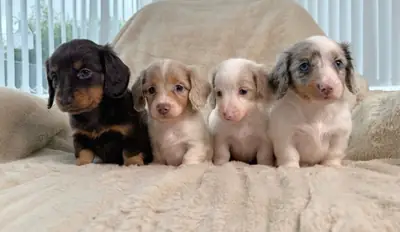
Kc long haired miniature dachshund
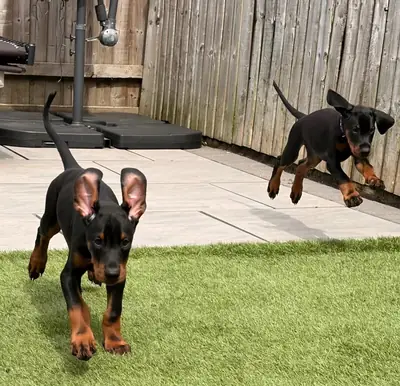
2 Beautiful Black and Tan boys waiting for their forever homes 🏡
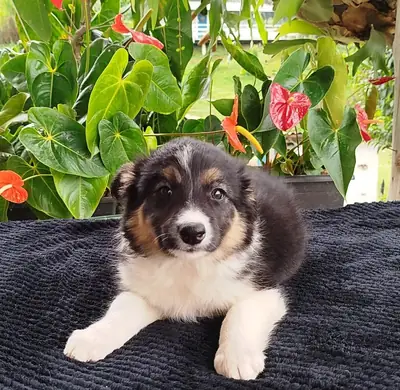
Gift male and female Border Collie puppies
Purebred Kishu Dog for Adoption
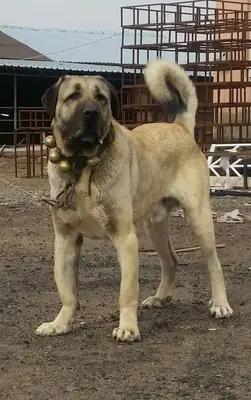
Malaklı for Adoption | Strong and Loyal
Popular Searches
Free Mastiff adoption Truro
Free Mastiff adoption in Truro should be treated as a serious giant-breed decision, not a cheap way to get a large dog. A no-fee listing still needs clear details about microchip transfer, age, neutering, vaccinations, weight, mobility, joint history, temperament, lead control, vet records and the real reason for rehoming.
A Mastiff can be calm, loyal and deeply bonded to a home, but its size changes everything: food cost, car space, stair safety, secure fencing, vet bills, insurance, handling strength and whether every family member can manage the dog safely.
Mastiff dogs for adoption Truro
Mastiff dogs for adoption in Truro attract people who want a huge, steady companion dog. The listing should explain the dog’s real home behaviour, not just show a massive head and calm-looking photos.
Ask whether the Mastiff pulls on lead, guards the home, drools heavily, accepts visitors, lives calmly with children, has hip or elbow pain, struggles with stairs, reacts to dogs or needs a home without small pets or livestock.
Mastiff rescue Truro
Mastiff rescue in Truro should focus on health, strength and stability. A rescued Mastiff may be gentle, but a nervous, under-socialised or poorly handled giant dog can be difficult and unsafe if the adopter is not realistic.
Ask for microchip details, vet records, vaccination status, neutering, joint history, weight, diet, bloat notes, heart checks, skin fold care, lead behaviour, child history, dog compatibility and the exact reason for rehoming.
Mastiff rehoming Truro
Mastiff rehoming in Truro should always start with the real reason the dog needs a new home. Moving house, owner illness or changed work hours are very different from rehoming because of guarding, pulling, dog reactivity, food cost, vet cost or size becoming unmanageable.
Ask how long the current keeper has had the Mastiff, whether it has changed homes before, whether it has ever knocked someone over, guarded doorways, reacted to visitors or become hard to control on lead.
Mastiff free to good home Truro
Mastiff free to good home Truro searches need a strict filter. “Good home” should mean secure space, strong handling, joint-safe flooring, realistic food budget, vet budget, transport space, gentle training, visitor management and a proper plan for a dog that may weigh as much as an adult person.
Before adopting, ask about hip pain, elbow pain, breathing, drooling, bloat history, heart checks, guarding, lead control, recall, child safety and whether the home can physically manage the dog every day.
English Mastiff adoption Truro
English Mastiff adoption in Truro should focus on the dog’s actual health, size and temperament rather than the breed name alone. Some listings use “Mastiff” broadly, while others mean a specific English Mastiff or Mastiff-type dog.
Ask whether the dog is confirmed English Mastiff, Mastiff cross, Bullmastiff type or unknown giant-breed mix, and check weight, build, movement, vet records, behaviour and home suitability before arranging a visit.
Mastiff puppies for free Truro
Mastiff puppies for free in Truro should be checked extremely carefully because giant-breed puppies grow fast and mistakes with diet, joints, socialisation and handling can create lifelong problems.
A puppy listing should include exact age, microchip status, vaccination plan, worming, flea treatment, parent background, expected size, feeding routine, socialisation, growth notes and whether the puppy is confirmed Mastiff or a Mastiff-type cross.
Adult Mastiff adoption Truro
Adult Mastiff adoption in Truro can be more realistic than taking a puppy because the dog’s final size, temperament, lead strength, guarding level and mobility are already visible.
Ask whether the adult Mastiff can walk calmly, pass dogs, greet visitors safely, travel in a car, manage stairs, settle indoors and be handled by a vet without heavy restraint.
Senior Mastiff adoption Truro
Senior Mastiff adoption in Truro can suit a calm home, but older giant dogs need honest planning around joints, heart health, weight, medication, stairs, slippery floors, transport and emergency vet access.
Ask for recent vet records, pain relief history, mobility notes, heart checks, lumps, appetite, weight changes, breathing, toileting, sleep comfort and whether the dog still enjoys short steady walks.
Mastiff adoption near me Truro
Mastiff adoption near me in Truro often includes Falmouth, Redruth, Camborne, St Austell, Newquay, Penzance, Helston, Bodmin, Wadebridge and wider Cornwall searches.
Nearby helps with safer meetings and calmer handover, but location is not the decision. A local Mastiff with vague health history, unclear behaviour or no microchip transfer plan is still a weak adoption option.
Mastiff rescue Cornwall
Mastiff rescue Cornwall searches are useful because the right dog may appear outside Truro. Widening the area can help, but it should not lower your checks.
Compare listings by microchip transfer, vet records, hip or elbow history, bloat risk, weight, mobility, guarding, lead strength, child experience, pet compatibility, livestock exposure and the exact reason for rehoming.
Giant dog adoption Truro
Giant dog adoption in Truro should be judged by daily practicality, not just affection for big dogs. A Mastiff needs enough indoor space, a safe garden, suitable transport, controlled walks and a household that understands heavy-body movement.
Ask whether the dog knocks people over, jumps up, blocks doorways, pulls on lead, struggles on slippery floors or needs two adults for safe handling at the vet.
Large dog rehoming Truro
Large dog rehoming in Truro becomes more serious when the dog is a Mastiff or Mastiff type. Size affects housing, transport, insurance, food, exercise, public handling and whether guests feel safe entering the home.
Ask whether the dog has lived in a busy home, whether it guards the door, whether it accepts tradespeople, whether it reacts to other dogs and whether the adopter can physically control it without force.
Mastiff type dog adoption Truro
Mastiff type dog adoption usually means the dog looks or behaves like a Mastiff but may not be confirmed as one. That is fine if the listing is honest.
Ask whether “type” means appearance only, whether any background is known and whether the dog’s actual size, strength, guarding, health and home history suit your household.
Mastiff cross adoption Truro
Mastiff cross adoption in Truro can be a strong choice if the dog’s temperament, size and health needs match your home. A cross may be more active, more guarded, more athletic or less predictable in final size than a pure Mastiff.
Ask what is known about the parents, whether the cross is confirmed or guessed, and focus on real behaviour: lead control, dog compatibility, guarding, child history, prey drive, mobility and vet records.
Mastiff family dog adoption Truro
Mastiff family dog adoption in Truro should be based on proven behaviour, not the phrase “gentle giant”. A calm Mastiff can be wonderful in a family, but a huge dog can still injure by jumping, leaning, barging or guarding.
Ask what ages of children the dog has lived with, whether it has knocked children over, guarded food, guarded toys, reacted to shouting or struggled when visitors enter the home.
Mastiff with children Truro
Mastiff with children in Truro needs real history. A Mastiff may be patient, but its size means even friendly movement can be too much for toddlers or small children.
Ask whether the dog has lived with toddlers, school-age children or teenagers, whether it guards sleeping areas, food or toys, and whether children can follow rules around space and supervision.
Mastiff with other dogs Truro
Mastiff with other dogs should be judged carefully because size changes the risk during play, conflict or introductions. Some Mastiffs are calm with dogs; others are selective, defensive or too heavy for rough play.
Ask whether the Mastiff has lived with dogs, shown same-sex issues, guarded food, reacted on lead, injured smaller dogs accidentally or needed slow introductions rather than free mixing.
Mastiff with cats Truro
Mastiff with cats in Truro needs actual experience, not hope. A calm Mastiff may live with cats, but a chase from a giant dog can be dangerous even if the dog does not mean harm.
Ask whether the dog has lived with cats, whether it chases movement, whether it can be recalled, whether it guards food and whether the cat has safe escape routes and height.
Mastiff with livestock Cornwall
Mastiff with livestock in Cornwall should be checked carefully because rural homes near sheep, horses, poultry or cattle need reliable control and secure boundaries.
Ask whether the dog has seen livestock, whether it chases, barks, fixates, guards land or ignores recall near animals. Do not assume size and calmness equal livestock safety.
Mastiff secure garden adoption Truro
Mastiff secure garden adoption in Truro matters because a large dog can push weak gates, lean on fencing, intimidate passers-by or become a serious risk if it escapes.
Ask whether the dog has escaped before, whether it guards the fence, barks at neighbours, reacts to dogs walking past and whether the adopter’s garden has strong gates and safe boundaries.
Mastiff lead pulling Truro
Mastiff lead pulling in Truro is not a minor training issue. A giant dog that pulls can injure the handler, reach another dog quickly or become impossible to manage near roads and narrow pavements.
Ask what equipment the dog uses, whether it lunges, whether it pulls toward dogs or people, whether more than one person is needed and whether training has been consistent or avoided.
Mastiff guarding behaviour adoption
Mastiff guarding behaviour adoption must be taken seriously. Guarding the home, garden, car, sofa, food, toys or a favourite person can become dangerous when the dog is this large.
Ask what the dog guards, who it guards from, whether it has growled or bitten, whether visitors can enter safely and whether the dog can be moved calmly without confrontation.
Mastiff bite history adoption
Mastiff bite history adoption must be handled with total honesty. A bite from a giant dog is not the same risk level as a small warning nip.
Ask who was bitten, what triggered it, whether skin was broken, whether medical treatment was needed, whether the dog warned first, whether it has happened more than once and whether muzzle training is already in place.
Muzzle trained Mastiff adoption Truro
Muzzle trained Mastiff adoption in Truro can be a positive sign if the muzzle was introduced kindly and used for safe vet visits, public management or known triggers.
Ask why the dog is muzzle trained, whether it is comfortable wearing one, whether there is bite history and whether the adopter must continue using it around dogs, visitors, vets or busy public areas.
Mastiff separation anxiety adoption
Mastiff separation anxiety adoption checks matter because a giant dog can do serious damage when distressed. Chewed doors, broken crates, barking, drooling, pacing or house soiling should not be hidden.
Ask how long the dog can be left, whether it settles in one room, whether it has damaged property, whether neighbours complained and whether the issue improves with routine or worsens with confinement.
Mastiff house training adoption
Mastiff house training adoption questions are important because accidents from a giant dog are difficult to manage and may be linked to stress, illness, poor routine or mobility problems.
Ask whether the dog toilets reliably, whether accidents happen overnight, whether stairs or garden access are difficult and whether any urine or bowel changes were checked by a vet.
Mastiff drooling adoption Truro
Mastiff drooling adoption in Truro should be discussed honestly. Drool can affect floors, furniture, car seats, guests and daily cleaning, especially after drinking, eating, heat or excitement.
Ask how much the dog drools, whether facial folds need regular cleaning, whether skin becomes sore and whether the adopter is genuinely comfortable living with a messy giant breed.
Mastiff facial wrinkle care adoption
Mastiff facial wrinkle care adoption checks matter because folds around the face can become damp, dirty, itchy or sore if ignored.
Ask whether the dog’s wrinkles are cleaned daily, whether there is redness, smell, infection history, eye irritation or skin treatment, and whether the dog accepts gentle face handling.
Mastiff hip dysplasia adoption
Mastiff hip dysplasia adoption questions should be direct because hip pain can affect walking, stairs, rising, car travel, exercise and long-term comfort.
Ask whether the dog has hip scores, x-rays, stiffness, limping, difficulty rising, pain after walks, medication, physiotherapy or advice to avoid jumping and slippery floors.
Mastiff elbow dysplasia adoption
Mastiff elbow dysplasia adoption checks matter because elbow pain can show as front-leg lameness, stiffness, reluctance to walk or discomfort after exercise.
Ask whether the dog has elbow scores, x-rays, pain medication, surgery history, lameness notes or limits around stairs, jumping, running and hard surfaces.
Mastiff bloat GDV adoption
Mastiff bloat and GDV adoption questions are essential because large deep-chested dogs can be at risk of a stomach emergency. The adopter should know the dog’s feeding routine and any previous bloating concerns.
Ask whether the dog has ever bloated, had surgery, eats too fast, exercises after meals, needs split meals, uses a slow feeder or has vet advice around bloat prevention and emergency signs.
Mastiff heart problems adoption
Mastiff heart problems adoption checks should include murmurs, dilated cardiomyopathy notes, coughing, fainting, exercise intolerance, breathing difficulty and medication history.
Ask whether a vet has heard a murmur, whether heart scans were done, whether the dog tires quickly and whether the adopter needs to plan ongoing monitoring or medication costs.
Mastiff Wobbler syndrome adoption
Mastiff Wobbler syndrome adoption questions should be asked if the dog has neck pain, rear-leg weakness, wobbling, dragging feet, poor coordination or reluctance to move.
Ask whether a vet has diagnosed or suspected a neck or spinal issue, whether scans were done, whether medication is used and whether the home can manage mobility safely.
Mastiff eyelid problems adoption
Mastiff eyelid problems adoption checks should include entropion, ectropion, cherry eye, discharge, redness, rubbing, squinting and previous eye surgery.
Ask whether the dog needs eye drops, whether the eyes are painful, whether surgery has been advised and whether facial skin or wrinkles contribute to irritation.
Mastiff hypothyroidism adoption
Mastiff hypothyroidism adoption questions matter if the dog has weight gain, low energy, skin problems, coat changes, cold intolerance or medication history.
Ask whether blood tests confirmed thyroid issues, whether medication is current, whether symptoms are stable and whether repeat checks are needed after adoption.
Mastiff epilepsy adoption
Mastiff epilepsy adoption checks should be direct if there has been any seizure, collapse, strange episode or medication history.
Ask when episodes began, how often they happen, whether a vet diagnosed epilepsy, whether medication is used and whether the adopter can manage emergency plans and long-term monitoring.
Mastiff cancer lumps adoption
Mastiff cancer and lump adoption checks are important because giant breeds can develop serious conditions and large dogs can be expensive to investigate and treat.
Ask whether any lumps have been checked, whether biopsies were done, whether there is unexplained lameness, weight loss, appetite change, swelling, pain or planned follow-up with a vet.
Mastiff weight control adoption
Mastiff weight control adoption checks matter because extra weight puts heavy pressure on hips, elbows, heart, breathing and mobility.
Ask current weight, body condition, diet, treat habits, exercise routine, whether weight loss has been advised and whether the dog can move comfortably without overloading joints.
Mastiff food cost adoption Truro
Mastiff food cost adoption in Truro should be considered before emotional commitment. A giant dog’s food, treats, supplements and weight-management plan can cost far more than a medium dog’s routine.
Ask what the dog currently eats, daily quantity, feeding frequency, food sensitivities, slow-feeder use, body condition and whether the current diet is realistic for the adopter to continue.
Mastiff vet cost adoption Truro
Mastiff vet cost adoption in Truro matters because medication, surgery, scans, pain relief, anaesthesia, insurance and emergency care can cost more for a giant dog.
Ask whether the dog has ongoing conditions, whether insurance is available, whether pre-existing issues exist and whether the adopter can afford joint, heart, eye, skin or bloat-related care if needed.
Mastiff transport adoption Cornwall
Mastiff transport adoption in Cornwall is not a small detail. A giant dog needs a safe car setup, enough space to lie down, ramp planning if mobility is poor and a calm travel routine.
Ask whether the dog travels well, gets car sick, needs lifting, can use a ramp, guards the car or becomes reactive at service stops, vets or public car parks.
Microchipped Mastiff adoption Truro
Microchipped Mastiff adoption in Truro should include a clear keeper transfer process. The chip should match the dog, and the new keeper details should be updated after handover.
This matters because a newly adopted giant dog can panic, pull away, escape through a weak gate or be difficult to recover safely before it has settled into the new home.
Vaccinated Mastiff rehoming Truro
Vaccinated Mastiff rehoming in Truro should state what has been given, what is due next and whether a vet record is available.
Also ask about flea treatment, worming, hips, elbows, eyes, heart, bloat history, skin folds, weight, appetite, medication and any restrictions around exercise, stairs or heat.
Neutered Mastiff adoption Truro
Neutered Mastiff adoption in Truro can make adult rehoming simpler, but it does not replace checks on behaviour, strength, health, mobility and home fit.
Ask whether the dog is neutered, whether proof exists, when it was done and whether weight, same-sex dog behaviour, roaming, guarding or energy changed afterwards.
Private Mastiff rehoming Truro
Private Mastiff rehoming in Truro can be genuine, but it needs careful checking. Some keepers minimise pulling, guarding, dog reactivity, vet costs, joint pain, drooling, house damage or the difficulty of physically managing the dog.
Ask for microchip details, vet records, recent videos, behaviour notes, lead-walking clips, visitor behaviour, the exact rehoming reason and whether the dog can be assessed before any handover.
Mastiff adoption scam Truro
Mastiff adoption scams in Truro can use stolen photos, fake urgent rehoming stories, delivery-only offers, missing microchip details and pressure for transport fees or deposits.
Ask for current videos, proof of ownership, microchip information, vet records, a clear rehoming reason and a safe meeting plan. If the dog is supposedly free but the pressure is high, stop.
Truro Mastiff adoption areas
Useful Truro Mastiff adoption searches include Falmouth, Redruth, Camborne, St Austell, Newquay, Penzance, Helston, Bodmin, Wadebridge, Hayle and wider Cornwall.
Use location as a filter, not the decision. Compare microchip transfer, vet records, mobility, hip or elbow history, bloat risk, heart notes, child history, pet compatibility, lead strength, guarding and the reason for rehoming before arranging collection.
Frequently Asked Questions
What should I check before adopting a free Mastiff in Truro?
Check age, microchip status, keeper transfer, vaccinations, neutering, vet records, weight, hip or elbow history, mobility, bloat history, heart notes, facial wrinkle care, lead control, guarding behaviour and the real reason for rehoming.
For a Mastiff, size changes the adoption decision. Ask whether the dog can be safely handled, transported, walked, lifted in an emergency and managed around children, visitors, other dogs, cats and livestock.
Is a Mastiff a good adoption dog?
Yes, a Mastiff can be a good adoption dog for a home that understands giant-breed care, space, cost, handling strength and calm training.
It is a poor match for someone who wants a huge dog but has not planned for food costs, vet bills, secure boundaries, joint care and safe public handling.
Can I adopt a Mastiff for free in Truro?
Free Mastiff adoption listings may appear in Truro, but the lack of a fee should not reduce your checks.
Ask for microchip transfer, vet records, behaviour history, lead-control details, joint history, bloat notes, home suitability and the exact reason the dog is being rehomed.
Are Mastiffs good family dogs?
Mastiffs can be calm and affectionate family dogs when properly socialised and managed.
Because they are huge, ask whether the dog has lived with children, whether it knocks people over, guards resources, reacts to visitors or becomes too strong during excitement.
Are Mastiffs good with children?
Some Mastiffs are good with children, but every dog should be judged by its own history.
Ask what ages the dog has lived with, whether it has knocked children over, guarded food or toys, reacted to noise or needed strict supervision around visitors and play.
Can Mastiffs live with other dogs?
Some Mastiffs can live with other dogs, but size, play style and same-sex compatibility matter.
Ask whether the Mastiff has lived with dogs, shown lead reactivity, guarded food or toys, injured smaller dogs accidentally or needed slow introductions.
Can Mastiffs live with cats?
A Mastiff may live with cats if it has proven calm history and controlled introductions are used.
Ask whether the dog has lived with cats, whether it chases movement, whether it can be recalled and whether the cat has safe escape routes.
Can Mastiffs live with livestock?
A Mastiff should not be assumed safe around sheep, horses, poultry or cattle without proven history and secure management.
Ask whether the dog has seen livestock, whether it chases, barks, guards land or ignores recall near animals.
Are Mastiffs good for first-time dog owners?
A Mastiff can be too much for many first-time owners because of size, strength, cost and health-management needs.
A first-time adopter should only consider one with strong support, realistic handling ability, secure space, training plans and enough budget for giant-breed care.
Can a Mastiff live in a flat?
A Mastiff in a flat is usually difficult unless the individual dog is calm, the building is suitable and the adopter can manage stairs, lifts, neighbours, toileting and transport.
Ask whether the dog has lived in a flat, whether it barks at hallway sounds, whether it can manage stairs and whether there is safe outdoor access.
Does a Mastiff need a secure garden?
A secure garden is strongly preferred for many Mastiffs because of their size, strength and need for safe outdoor access.
Ask whether the dog has escaped before, pushes gates, guards fences, barks at neighbours or reacts to dogs passing the property.
How much exercise does a Mastiff need?
Adult Mastiffs need regular controlled exercise, but they should not be pushed into high-impact work that overloads joints.
Ask what the dog currently does each day, whether it tires quickly, limps after walks, struggles with heat or has exercise restrictions from a vet.
Are Mastiffs easy to walk on lead?
Only if trained properly. A Mastiff that pulls can be unsafe because of its weight and strength.
Ask whether the dog lunges, pulls toward other dogs, needs special equipment, walks calmly in public and can be handled by every adult in the home.
Do Mastiffs guard the home?
Some Mastiffs can be naturally watchful or protective, so guarding behaviour should be discussed clearly.
Ask whether the dog guards doors, the garden, food, toys, people, the sofa or the car, and whether visitors can enter safely.
Should I ask about bite history before adopting a Mastiff?
Yes. Bite history must be discussed clearly before adopting a giant dog.
Ask who was bitten, what triggered it, whether skin was broken, whether medical treatment was needed, whether the dog warned first and whether it has happened more than once.
Should a Mastiff be muzzle trained?
Muzzle training can be useful for safe vet visits, public management or known triggers, but it should be introduced positively.
Ask why the dog is muzzle trained, whether it is comfortable wearing one and whether it must continue in specific situations.
Do Mastiffs drool a lot?
Many Mastiffs drool, especially after drinking, eating, heat, exercise or excitement.
Ask how much the dog drools, whether facial folds need daily cleaning and whether the adopter is comfortable with the mess of a giant breed.
Do Mastiffs need facial wrinkle care?
Yes, many Mastiffs need regular facial fold and wrinkle care to prevent dampness, smell, soreness and skin irritation.
Ask whether the dog accepts face cleaning, whether there is redness or infection history and whether eye irritation is linked to loose facial skin.
Can Mastiffs be left alone?
Some Mastiffs cope with predictable alone time, while others become distressed or destructive.
Ask how long the dog can be left, whether it barks, chews, drools, paces, damages doors or has accidents when alone.
Should an adopted Mastiff be microchipped?
Yes, the dog should be microchipped and the keeper details should be transferred correctly after adoption.
Ask how the microchip transfer will be handled before collection, especially because a giant dog that escapes can be difficult and dangerous to recover safely.
Should a Mastiff be vaccinated before adoption?
Vaccination status should be clear before adoption. Ask what has been given, what is due next and whether a vet record is available.
Also ask about flea treatment, worming, joint history, heart checks, bloat history, eye issues, skin folds, weight and any medication.
Should a Mastiff be neutered before rehoming?
Some adult rehomed Mastiffs are neutered, but not all. Ask whether the dog is neutered and whether proof or vet notes are available.
Neutering does not replace checks on lead strength, guarding, dog compatibility, weight, mobility and safe handling.
What health issues should I ask about in a Mastiff?
Ask about hip dysplasia, elbow dysplasia, bloat or GDV, heart problems, Wobbler syndrome, eyelid problems, hypothyroidism, epilepsy, lumps, cancer, skin folds, weight and mobility.
The dog does not need a perfect health history to be adoptable, but the history should be clear and honest.
Should I ask about hip dysplasia in a Mastiff?
Yes. Hip problems can affect walking, stairs, rising, car travel, exercise and long-term comfort.
Ask whether the dog has hip scores, x-rays, stiffness, limping, pain after walks, medication, physiotherapy or exercise limits.
Should I ask about elbow dysplasia in a Mastiff?
Yes. Elbow problems can cause front-leg lameness, stiffness, pain and reduced mobility.
Ask whether the dog has elbow scores, x-rays, pain medication, surgery history or limits around stairs, jumping and hard surfaces.
Should I ask about bloat or GDV in a Mastiff?
Yes. Bloat and GDV can be life-threatening emergencies in large deep-chested dogs.
Ask whether the dog has ever bloated, eats too fast, exercises after meals, needs split meals, uses a slow feeder or has had surgery related to bloat risk.
Should I ask about heart problems in a Mastiff?
Yes. Ask about heart murmurs, dilated cardiomyopathy notes, coughing, fainting, breathing difficulty, exercise intolerance and medication history.
Large dogs can need expensive monitoring, so heart history should be clear before adoption.
Should I ask about Wobbler syndrome in a Mastiff?
Yes, if there is wobbling, rear-leg weakness, neck pain, poor coordination, dragging feet or reluctance to move.
Ask whether a vet has diagnosed or suspected a neck or spinal issue and whether medication, scans or mobility management are needed.
Should I ask about eyelid problems in a Mastiff?
Yes. Ask about entropion, ectropion, cherry eye, discharge, redness, rubbing, squinting, eye drops and previous eye surgery.
Loose facial skin and wrinkles can contribute to irritation, so eye history should be checked before adoption.
Should I ask about hypothyroidism in a Mastiff?
Yes, if the dog has weight gain, low energy, skin problems, coat changes, cold intolerance or thyroid medication.
Ask whether blood tests confirmed it, whether treatment is stable and whether repeat checks are needed.
Should I ask about epilepsy in a Mastiff?
Yes. Ask about seizures, collapse, strange episodes, medication, diagnosis and emergency plans.
If there has been any episode, ask when it began, how often it happens and whether a vet has investigated it.
Are Mastiffs expensive to keep?
Yes, Mastiffs can be expensive because food, medication, insurance, vet care, transport equipment and surgery costs are usually higher for giant dogs.
Ask about current food costs, medication, pre-existing conditions, insurance options and whether the adopter can afford joint, heart, eye, skin or emergency care.
Is a senior Mastiff a good adoption choice?
A senior Mastiff can be a good adoption choice for a calm home that can manage mobility, medication, weight, comfort and careful handling.
Ask about hips, elbows, heart notes, lumps, pain relief, stairs, weight, appetite, recent vet records and whether the dog can still enjoy gentle walks.
How do I avoid Mastiff adoption scams in Truro?
Watch for stolen photos, fake urgent rehoming stories, delivery-only offers, pressure for transport fees, missing microchip details, vague vet records and no safe meeting plan.
Ask for current videos, proof of ownership, microchip information, vet records, behaviour notes, a clear rehoming reason and a proper handover before sending money or arranging travel.
What should I prepare before bringing a Mastiff home?
Prepare a secure garden, strong lead, suitable collar or harness, ID tag, large bed, non-slip flooring, familiar food, slow feeder if needed, large car space, vet registration and clear visitor rules.
Keep the first weeks calm. Do not rush dog parks, children, livestock exposure, off-lead freedom, visitors or busy public spaces before the dog has settled and been properly assessed.
Which areas near Truro should I search for Mastiff adoption?
Useful nearby searches can include Falmouth, Redruth, Camborne, St Austell, Newquay, Penzance, Helston, Bodmin, Wadebridge, Hayle and wider Cornwall.
Distance should not beat health, behaviour, mobility, microchip transfer and keeper transparency. The closest Mastiff is not automatically the right Mastiff.