Warsaw Russian Blue Cat Adoption
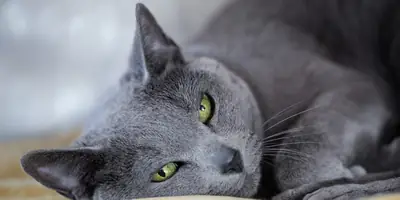
There's 1 Russian Blue listing live right now, last updated 1 Mar 2026. Find Russian Blue Cat adopti... There's 1 Russian Blue listing live right now, last updated 1 Mar 2026. Find Russian Blue Cat adoption listings in Warsaw with clear details before you contact. The Russian Blue is a quiet, elegant, b... There's 1 Russian Blue listing live right now, last updated 1 Mar 2026. Find Russian Blue Cat adoption listings in Warsaw with clear details before you contact. The Russian Blue is a quiet, elegant, blue-grey short-haired cat with green eyes, a dense plush coat and a gentle but sometimes reserved personality, so adoption should be based on more than wanting a rare-looking cat that appears calm in photos. On Petopic, you can review Russian Blue Cats for adoption around Warsaw, Śródmieście, Mokotów, Wola, Praga-Południe, Praga-Północ, Żoliborz, Ochota, Ursynów, Wilanów, Bemowo, Bielany and nearby Mazovia by checking age, temperament, health, microchip status, vaccination history, sterilisation, litter tray habits, indoor or outdoor suitability, experience with children, dogs, other cats and the kind of home each cat genuinely needs.
Haven't found the pet you're looking for? Let people who want to find a new home for their pet reach out to you.
Create your free pet adoption request listing now and be seen by thousands of pet owners.
Popular Searches
Russian Blue Cats for adoption in Warsaw
Finding Russian Blue Cats for adoption in Warsaw should not mean choosing the first blue-grey cat with green eyes in the listings. The Russian Blue is usually calm, intelligent and loyal to familiar people, but many individuals can be cautious with strangers and sensitive to noisy homes. A useful adoption advert needs more than a polished photo. It should explain age, sex, health, microchip status, vaccinations, sterilisation, litter tray habits, temperament and reason for rehoming.
Warsaw homes vary from compact city flats and shared apartments to family houses, quieter suburbs and multi-pet households. That matters for a Russian Blue. Some cats will thrive in a calm apartment with predictable routines, while others may need more play, vertical space or a slower introduction to visitors and other animals. A strong listing tells you how this cat actually lives, not just how beautiful its coat looks.
Adopt a Russian Blue Cat in Warsaw
People searching to adopt a Russian Blue Cat in Warsaw usually want a quiet, elegant and affectionate cat that suits apartment life. That interest makes sense, but the breed should not be treated like a decorative grey cat. A Russian Blue may bond deeply with its people while still needing patience, privacy and a calm introduction to new surroundings.
Before contacting about an advert, check whether the cat enjoys handling, hides from visitors, likes routine, plays daily, uses the litter tray reliably and has lived with children, dogs or other cats. “Calm and beautiful” is too thin. The advert should show whether the cat fits your real schedule, home noise level and attention capacity.
Russian Blue Cat rescue Warsaw
Russian Blue Cat rescue in Warsaw is a specific search because true Russian Blues are not always common in adoption. Some listings may describe a cat as Russian Blue, Russian Blue mix, blue-grey domestic shorthair, grey cat with green eyes or Russian-type cat. That does not make the cat a bad match, but the listing must be honest about what is known and what is only an appearance-based guess.
A reliable rescue-style listing should explain health, sterilisation, vaccinations, microchip, temperament, foster behaviour, litter tray reliability and the type of home needed. A cat that only “looks Russian Blue” may still be a wonderful adoption, but the decision should be based on real behaviour and care needs, not a breed label forced onto a grey coat.
Russian Blue kittens for adoption in Warsaw
Russian Blue kittens for adoption in Warsaw will attract fast attention, but a kitten is not the easy version of the breed. A young Russian Blue may be playful, curious and sensitive at the same time. It needs safe windows, litter training, parasite treatment, vaccination planning, socialisation, future sterilisation, gentle handling and daily play.
A serious kitten listing should include approximate age, whether the kitten is eating independently, litter tray progress, vet checks, microchip status if available, vaccination details and how confident it is with people. The kitten stage is short. The adult cat may become quiet and loyal, but only if the early home life is stable and respectful.
Adult Russian Blue Cat for adoption in Warsaw
An adult Russian Blue Cat for adoption in Warsaw can be a smarter choice than a kitten for many homes. With an adult cat, you can usually see the real personality: whether it is shy, confident, affectionate, independent, playful, lap-loving, quiet with visitors or better suited to a peaceful home.
A good adult listing should explain whether the cat is sterilised, microchipped, vaccinated, litter trained, used to children, used to other cats or dogs and whether it prefers indoor life or safe outdoor access. Adult Russian Blues are not second-best. A well-described adult can be the safest adoption on the page.
Russian Blue Cat rehoming in Warsaw
Russian Blue Cat rehoming in Warsaw should be handled carefully because a sensitive cat may need time to trust a new home. The listing should explain why the cat is being rehomed, what its daily routine looks like, how much attention it wants and whether it has any known medical or behavioural needs.
Useful details include how the cat reacts to being left alone, visitors, children, other cats, dogs, car travel, vet visits and changes in routine. Rehoming is not just moving a beautiful grey cat to another flat. It is transferring a living routine, and the more honestly that routine is described, the better the chance of a stable home.
Blue-grey cat adoption Warsaw
Many users searching for a Russian Blue in Warsaw are really looking for a blue-grey cat with a sleek coat, green eyes and a calm personality. That intent is valid, but colour should not be the deciding factor. A beautiful blue-grey cat can still be anxious, highly independent, unsuitable for children or uncomfortable in a loud household.
A proper listing should explain whether the cat is a confirmed Russian Blue, a Russian Blue mix, a blue domestic shorthair or simply a grey cat with similar looks. The label matters less than honest information. The strongest adoption match is not the rarest-looking cat; it is the cat whose health, temperament and routine fit the adopter’s life.
Russian Blue Cat for apartment in Warsaw
A Russian Blue Cat can suit apartment life in Warsaw if the individual cat is comfortable indoors and the flat is prepared properly. The issue is not only size. This cat may need quiet spaces, predictable routines, safe windows, scratching areas, climbing spots, play and enough privacy to relax.
Before adopting for an apartment, check whether the cat has lived indoors before, whether it reacts to corridor noise, whether it tries to escape, whether windows and balconies are secure and whether it copes with being alone. A Warsaw flat can work well, but only if the setup respects the cat’s temperament.
Indoor Russian Blue Cat adoption Warsaw
Indoor Russian Blue Cat adoption in Warsaw can be suitable for cats that have always lived indoors, live near busy roads or need safer boundaries. Indoor care still needs enrichment: scratching posts, climbing shelves or trees, play sessions, window watching, hiding spaces and regular human interaction.
The listing should explain whether the cat is happy indoors, whether it tries to escape, whether it becomes bored alone and how much daily play it needs. Indoor-only does not mean low-effort. It means the home must provide a full life inside.
Russian Blue Cat outdoor access Warsaw
Outdoor access for a Russian Blue Cat in Warsaw needs careful thought because traffic, apartment blocks, courtyards, balconies, gardens and local neighbourhood layout all affect safety. Some cats with outdoor history may become unhappy indoors, while others are safer as indoor cats or with a secure balcony or enclosed outdoor setup.
A good advert should say whether the cat has outdoor experience, returns reliably, has lived near roads and whether it needs a settling-in period before any outdoor access. Letting a newly adopted cat outside too soon is a bad decision. The cat must first learn that the new home is safe.
Russian Blue Cat personality and temperament
The Russian Blue personality is one of the biggest reasons people search for the breed. Many are calm, intelligent, loyal and affectionate with their chosen people, but they may be reserved with strangers or slow to trust a busy new home. That makes the personality section of the advert more important than the photo.
A useful listing should say whether the cat hides from guests, follows people around, enjoys laps, plays daily, dislikes loud noise, becomes stressed by change or needs a quiet room at first. “Gentle cat” is too vague. The daily behaviour is what decides whether the match is right.
Russian Blue Cat with children
A Russian Blue Cat can live with respectful children, but the individual cat’s history matters. A calm cat may be patient, yet still dislike loud shouting, grabbing, chasing or being carried too much. Sensitive cats need children who understand quiet contact and safe retreat spaces.
The listing should say whether the cat has lived with children, what ages, how it reacts to noise, whether it likes being picked up, whether it plays gently and whether it has a safe place to retreat. “Good with children” is too vague. Real behaviour matters.
Russian Blue Cat with dogs or other cats
Russian Blue Cats may live with other cats or calm cat-friendly dogs, but compatibility should never be assumed. Some individuals are relaxed with other animals, while others are territorial, shy or better as the only pet. A quiet temperament does not automatically mean easy introductions.
A useful listing should explain whether the cat has lived with dogs, cats or small pets, whether it hides, guards food, chases, plays roughly or needs to be the only cat. Introductions should be gradual, with separate spaces, scent swapping and controlled meetings. Hope is not a plan.
Russian Blue Cat grooming and shedding
Russian Blue Cat grooming is usually easier than care for long-haired breeds, but the dense plush coat still benefits from regular gentle brushing. Coat checks also help notice weight changes, skin irritation, parasites, soreness and stress-related overgrooming before they become bigger problems.
A strong adoption listing should say whether the cat tolerates brushing, nail trims, being picked up, vet handling and mouth checks. Low coat maintenance is a plus, but it is not a reason to skip basic care. The cat still needs routine checks and stable handling.
Hypoallergenic Russian Blue Cat adoption
Hypoallergenic Russian Blue Cat adoption is a common search, but it needs careful wording. No cat should be treated as guaranteed allergy-safe for every person. Some people may react differently to different cats, but allergies are individual and cannot be solved by breed name alone.
If allergies are part of your reason for searching, spend time with the cat before adoption where possible, ask about shedding and grooming, and be honest about symptoms. Do not adopt a cat just because an advert suggests the breed may be easier for allergy sufferers. A failed adoption because of allergies is unfair to the cat and the household.
Russian Blue Cat health checks adoption
Health information matters for Russian Blue Cat adoption because a polished coat can hide practical issues. Ask about weight, teeth, gums, eyes, breathing, digestion, previous vet checks, vaccinations, sterilisation, parasite treatment and any ongoing medication.
A good adoption advert should not hide dental problems, weight gain, chronic sneezing, eye irritation, stress behaviour or previous treatment. Adopting a cat with a health history can be perfectly fine if the home is prepared. Adopting without knowing the history is the weak move.
Russian Blue Cat microchip and paperwork Poland
Microchip and paperwork checks are important when adopting a Russian Blue Cat in Warsaw. A clear listing should explain whether the cat is microchipped, whether the details can be updated, whether there are vaccination records, sterilisation details, vet history and any adoption or rehoming terms.
For cats adopted from shelters, foundations or private rehoming situations, unclear paperwork is not a small detail. It affects identification, medical continuity and responsibility after handover. A Russian Blue listing with a beautiful photo but vague records is not a strong adoption lead.
Russian Blue Cat near Warsaw and Mazovia
Searching for a Russian Blue Cat near Warsaw, Śródmieście, Mokotów, Wola, Praga-Południe, Praga-Północ, Żoliborz, Ochota, Ursynów, Wilanów, Bemowo, Bielany or wider Mazovia can make visits and handovers easier. Local adoption helps you ask questions and observe the cat’s confidence before moving.
Distance still should not beat detail. A nearby listing with no health, temperament, microchip, home-suitability or rehoming information is weak. A well-described cat a little further away may be a safer adoption because you can understand the animal before arranging a visit.
Frequently Asked Questions
What should I check before adopting a Russian Blue Cat in Warsaw?
Before adopting a Russian Blue Cat in Warsaw, check the cat’s age, sex, health, microchip status, vaccinations, sterilisation, litter tray habits, temperament, grooming tolerance and reason for rehoming. You should also ask whether the cat has lived with children, dogs or other cats.
A good listing should help you understand the cat’s real routine before you arrange a visit. Choosing only because the cat has a blue-grey coat, green eyes or a calm-looking photo is a poor way to make a long-term adoption decision.
Is a Russian Blue Cat suitable for a first-time cat owner?
A Russian Blue Cat can suit some first-time cat owners if they are ready for a calm, intelligent and sometimes reserved cat. This is not always a loud or demanding pet, but it may need patience, predictable routines and a gentle introduction to a new home.
A first-time owner should be ready to manage safe windows, litter trays, play, diet, vet checks, microchip records and slow introductions. If the listing says the cat needs a quiet home, take that seriously.
Can a Russian Blue Cat live in an apartment?
A Russian Blue Cat can live in an apartment if the individual cat is suited to indoor life and the home provides enough stimulation. This means safe windows, scratching areas, climbing spaces, hiding places, regular play and a calm place to rest.
Before adopting for a Warsaw apartment, ask whether the cat has lived indoors before, whether it tries to escape, how active it is, how it reacts to corridor noise and whether it becomes stressed when alone. A flat can work well, but only if the setup fits the cat.
Are Russian Blue Cats shy with strangers?
Many Russian Blue Cats can be cautious or reserved with strangers, even when they are affectionate with their own people. This does not mean the cat is unfriendly; it often means it needs time, quiet and predictable handling.
Before adopting, ask whether the cat hides from visitors, how long it takes to approach new people and what helps it feel safe. A shy cat can be a wonderful companion, but only if the adopter respects its pace.
Do Russian Blue Cats need a lot of grooming?
Russian Blue Cats usually have a short, dense coat that is easier to maintain than a long-haired coat. Regular gentle brushing still helps with coat condition, shedding, skin checks and bonding.
Before adopting, ask whether the cat tolerates brushing, nail trims, being picked up and vet handling. Low grooming does not mean no care. The cat still needs routine checks and a stable care schedule.
Are Russian Blue Cats hypoallergenic?
No cat should be treated as guaranteed hypoallergenic for every person. Some people may react differently to different cats, but allergies are individual and cannot be solved by breed name alone.
If allergies are a concern, spend time with the cat before adoption where possible and be honest about symptoms. Adopting based on an allergy assumption can lead to a failed match, which is unfair to the cat.
Are Russian Blue Cats good with children?
Russian Blue Cats can be good with respectful children, but the individual cat’s history matters. A calm cat may still dislike noise, grabbing, chasing or being carried too much.
Ask whether the cat has lived with children, what ages, how it reacts to noise, whether it likes being picked up and whether it has a safe place to retreat. A vague “good with children” line is not enough.
Can Russian Blue Cats live with dogs or other cats?
Some Russian Blue Cats can live with other cats or calm cat-friendly dogs, but this should be judged by the cat’s actual history. Some are sociable and confident, while others may be territorial, shy or better as the only pet.
Before adopting, ask whether the cat has lived with dogs, cats or small pets, whether it hides, guards food, chases or needs slow introductions. Introductions should be gradual, with separate spaces and controlled meetings.
What paperwork matters when adopting a cat in Warsaw?
When adopting a cat in Warsaw, ask for microchip information, vaccination records, sterilisation details, vet history, current keeper or organisation details and any adoption or rehoming terms. If the cat comes from a shelter or foundation, ask how records and responsibility are transferred.
Clear paperwork helps confirm identity, health preparation and responsibility after handover. A Russian Blue listing with unclear records should be treated cautiously, even if the cat looks perfect in photos.
How should I evaluate Russian Blue Cat listings on Petopic?
On Petopic, start with Russian Blue Cat listings that clearly describe location, age, health, microchip status, vaccinations, sterilisation, litter tray habits, temperament, indoor or outdoor suitability, children, other pets and reason for rehoming.
The best listing is not always the rarest-looking or most polished one. It is the one that describes a real Russian Blue Cat clearly enough for you to decide whether the match is safe, realistic and fair to the animal.