Wells Cat Adoption Listings
There are 5 Cat listings live right now, last updated 4 days ago. Find cats for adoption in Wells on... There are 5 Cat listings live right now, last updated 4 days ago. Find cats for adoption in Wells on Petopic and explore kittens, adult cats, senior cats, indoor companions, rescue cats, fostered cats... There are 5 Cat listings live right now, last updated 4 days ago. Find cats for adoption in Wells on Petopic and explore kittens, adult cats, senior cats, indoor companions, rescue cats, fostered cats and family-rehomed cats across Wells, Glastonbury, Street, Shepton Mallet, Cheddar, Castle Cary and nearby Somerset areas; before enquiring, check each cat’s age, temperament, health notes, neutering status, microchip details, litter habits, confidence indoors, and suitability for children, other cats, dogs or a quieter home so the adoption is based on real compatibility rather than a rushed decision.
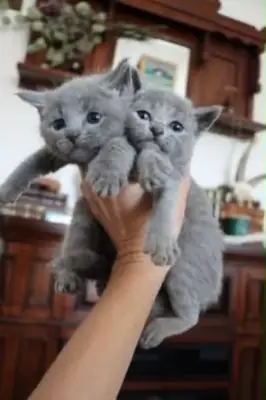
Cute British Shorthair Kittens Ready for Forever Homes
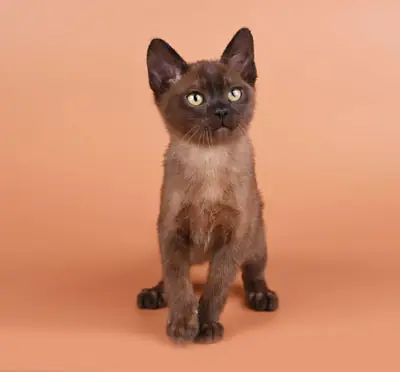
Burmese kittens
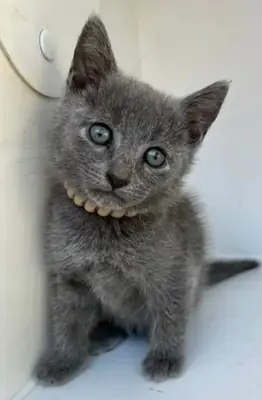
stunning Russian Blue
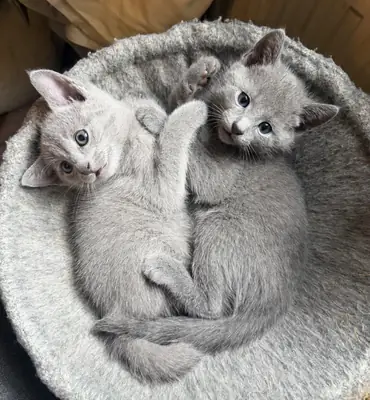
Gorgeous Russian Blue kittens
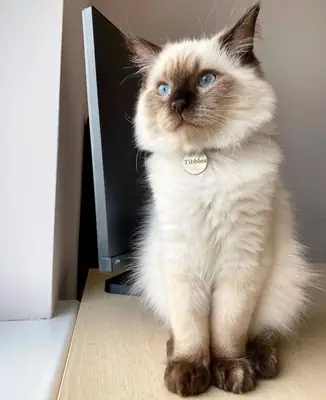
Adopt a Balinese Cat | Intelligent & Playful
Haven't found the pet you're looking for? Let people who want to find a new home for their pet reach out to you.
Create your free pet adoption request listing now and be seen by thousands of pet owners.
Other listings in your area
stunning Russian Blue
Burmese kittens
Adopt a Balinese Cat | Intelligent & Playful
Gorgeous Russian Blue kittens
Cute British Shorthair Kittens Ready for Forever Homes
Popular Searches
Finding a cat near Wells
Looking for a cat around Wells usually means you want more than a distant listing. You want to understand the cat’s personality, meet them if possible, ask sensible questions and prepare your home before making a commitment. A useful profile should tell you about age, temperament, health, neutering, microchip status, litter habits and whether the cat is used to indoor life.
Wells, Glastonbury, Street, Shepton Mallet, Cheddar and nearby Somerset villages can all be part of the same search area. Distance matters, but the right match matters more. A cat who suits your home, routine and confidence level is a better choice than the closest cat with the nicest photo.
Kittens and young cats
Kittens are popular, but they are not the easy option. They need supervision, play, safe rooms, careful introductions, litter training, scratching outlets and patient handling. They can be noisy at night, climb where they should not and need more structure than many first-time adopters expect.
A good kitten listing should explain age, weaning, health checks, flea and worm treatment, socialisation, litter progress and whether the kitten should be adopted with a sibling or into a home with another friendly cat. “Cute kitten available” is not enough information for a serious adoption.
Adult cats looking for homes
An adult cat can be a stronger match than a kitten because their habits are easier to understand. You can usually learn whether they are calm, playful, shy, affectionate, independent, talkative, nervous with visitors or happiest in a quiet routine.
For many homes in Wells, especially flats, cottages, busy households or first-time cat owners, a well-described adult cat can be the safer choice. The decision should come from temperament and daily needs, not from age alone.
Indoor cats and home life
Some cats cope beautifully indoors, while others need safe outdoor access, a catio, a garden routine or much more stimulation. Before choosing, check whether the cat has already lived indoors, whether they try to escape, how active they are and how they behave when left alone.
An indoor home should offer more than food and a sofa. Scratching posts, climbing space, hiding spots, window safety, toys, predictable feeding and a clean litter setup all help the cat feel secure. The right environment matters as much as the listing itself.
Rescue cats in Somerset
A rescue cat may have been abandoned, found as a stray, surrendered by a family or moved through foster care. That background does not make them a problem, but it does mean their needs should be explained honestly.
Some rescue cats settle quickly. Others hide, avoid touch, startle at noise or need a slow routine before showing affection. A strong profile should describe what the cat is like today, not just what people hope they will become.
Cats in foster homes
A cat in foster care often comes with better everyday detail. The fosterer may know if the cat sleeps on the bed, hides from visitors, enjoys fuss, uses the litter tray reliably, dislikes being picked up or needs a quiet room at first.
This kind of information is valuable because adoption happens in real homes, not in perfect descriptions. A foster-based profile can help you understand the cat’s actual rhythm before you make a decision.
Cats for families with children
A family cat should be chosen carefully. A cat may be affectionate with adults but uncomfortable with loud play, quick hands, being carried or being followed from room to room. The listing should say whether the cat has lived with children and what kind of handling they tolerate.
Children also need rules. They should not disturb the cat while eating, sleeping or using the litter tray, and they should learn when to give the cat space. A successful adoption depends on the household as much as the cat.
Homes with other cats
If you already have a cat, the new cat’s history matters. Some cats enjoy feline company, some tolerate it with time, and some are much happier as the only pet. A listing should not simply say “friendly” without explaining what has actually been observed.
Introductions should be slow: separate rooms, scent swapping, short controlled meetings, separate food areas and patience. Putting two cats together on day one is one of the fastest ways to create avoidable stress.
Cats and dogs in the same home
If there is already a dog at home, check whether the cat has lived with dogs before, how confident they are, whether they run, freeze, hiss or approach calmly, and whether they need a dog-free household.
The first meeting should be managed properly. The dog should be controlled, the cat should have escape routes and high places, and the process should move slowly. Hoping they will “just get used to each other” is weak planning.
Senior cats and quieter homes
A senior cat can be a wonderful fit for a calm home. Older cats may want comfort, routine, warmth, gentle attention and predictable feeding more than constant play. They can suit people who want companionship without the chaos of kitten energy.
The listing should be honest about health, mobility, teeth, appetite, medication, litter use and whether the cat needs regular veterinary checks. Adopting an older cat is not a pity choice; it can be one of the most thoughtful choices when the home is right.
Shy cats needing patience
A shy cat is not a bad cat, but they need the right adopter. They may need quiet rooms, hiding places, predictable routines, soft voices and time before they accept touch. Some will bond deeply once they feel safe, but they should not be rushed.
Profiles for timid cats must be clear. If the cat hides from visitors, dislikes being picked up or needs an experienced home, that should be written plainly. Honest detail finds better homes than sugar-coated descriptions.
Preparing before adoption
Before bringing a cat home, set up one calm room with food, water, a litter tray, bedding, a scratcher and a hiding place. Do not let the first day turn into a parade of visitors and forced cuddles.
The cat should be allowed to explore gradually. Some cats come out quickly; others stay hidden for days. That does not mean the adoption is failing. It means the cat is processing a major change.
Rehoming a cat in Wells
If you need to rehome a cat in Wells, the listing should be specific and fair: age, sex, health, neutering, microchip details, litter habits, food, personality, fears, routines, and whether the cat can live with children, cats or dogs.
Do not hide difficult behaviour. Scratching, spraying, fear, medical needs, stress around other animals or a need for outdoor access should be stated clearly. A truthful listing gives the cat a much better chance of staying in the next home.
Frequently Asked Questions
How do I choose the right cat to adopt in Wells?
Look beyond the photo and read the cat’s age, temperament, health notes, neutering status, litter habits, confidence level and suitability for your home. The right match depends on routine, space, experience and who else lives in the household.
Ask practical questions before arranging adoption. A cat who suits a quiet adult home may not suit a busy family, and a playful kitten may not suit someone away all day.
Is a kitten or an adult cat better for adoption?
A kitten needs more supervision, play, training, safety checks and patience. They can be rewarding, but they are not low-effort.
An adult cat is often easier to understand because their personality and habits are already clearer. For many homes, a well-matched adult cat is the stronger choice.
Can I adopt a cat if I live in a flat?
Yes, but the cat should be suited to indoor life or a safe limited outdoor setup. Check whether the cat has lived indoors before, how active they are and whether they cope with being left alone.
A flat should still offer enrichment: scratching posts, climbing space, toys, hiding spots, secure windows and a clean litter area. Indoor living must be planned, not improvised.
Can an adopted cat live with children?
Some cats do very well with children, while others need a quieter home. Ask whether the cat has lived with children, how they respond to noise, handling and fast movement.
Children should be taught not to chase, grab, wake or corner the cat. Respecting the cat’s space is part of making the adoption work.
What should I ask before adopting a rescue cat?
Ask about health, neutering, microchip status, vaccinations if known, flea and worm treatment, litter habits, diet, personality, fears and the type of home recommended.
Also ask how the cat reacts to children, cats, dogs, visitors and being left alone. Vague answers are not enough for a responsible decision.
How much does cat adoption cost after bringing the cat home?
Even if the adoption fee is low, you should budget for food, litter, veterinary care, flea and worm treatment, insurance if wanted, toys, bedding, a carrier and unexpected health costs.
The real cost is long-term care, not only the day the cat arrives. If the budget is already tight, adoption should wait.
How should I prepare my home for a new cat?
Prepare one quiet room with food, water, litter, a bed, hiding places and a scratching post. Let the cat start there before exploring the rest of the home.
Avoid too many visitors, forced handling or sudden introductions to other pets. A calm first week is more useful than excitement.
Can I adopt a cat if I already have another cat?
Yes, but the new cat’s history with other cats matters. Some cats enjoy company, while others need to be the only pet.
Use slow introductions with separate rooms, scent swapping and short supervised meetings. Do not put both cats together immediately and hope it works.
What makes a cat adoption listing trustworthy?
A trustworthy listing gives clear information about the cat’s age, health, behaviour, neutering, microchip status, litter habits, home preferences and any known challenges.
A listing with only cute photos and no behavioural or health detail is weak. The more specific the profile, the safer the decision.
What should I write when rehoming a cat in Wells?
Include age, sex, health, neutering, microchip details, litter habits, food routine, personality, indoor or outdoor needs, and whether the cat can live with children or other pets.
Be honest about problems such as fear, spraying, scratching, medical needs or stress around animals. Clear information helps the cat find a home that lasts.