Free Adoption of Domestic Shorthair Cats in Westminster
There's 1 Domestic Shorthair listing live right now, last updated 12 Apr 2026. Find free Domestic Sh... There's 1 Domestic Shorthair listing live right now, last updated 12 Apr 2026. Find free Domestic Shorthair cat adoption in Westminster with clear details on age, microchip transfer, vaccination statu... There's 1 Domestic Shorthair listing live right now, last updated 12 Apr 2026. Find free Domestic Shorthair cat adoption in Westminster with clear details on age, microchip transfer, vaccination status, neutering, litter training, indoor or outdoor history, temperament, health background and compatibility with children, cats or dogs. Compare kittens, adult cats and rescue-style listings across Westminster and Central London before choosing a short-haired cat that fits your home, routine, space, noise level and long-term care plan.
Haven't found the pet you're looking for? Let people who want to find a new home for their pet reach out to you.
Create your free pet adoption request listing now and be seen by thousands of pet owners.
Other listings in your area
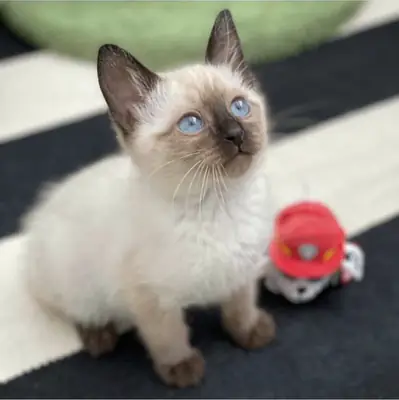
Balinese kittens
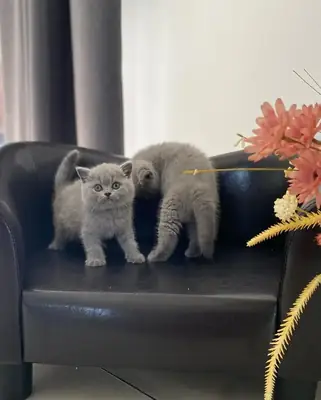
Cute British Shorthair Kittens Ready for Forever Homes
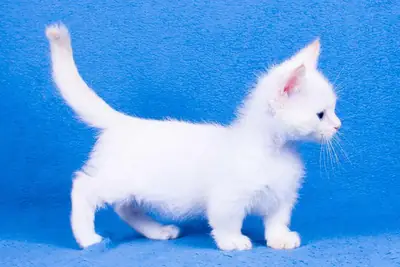
Beautiful Munchkin kittens (jessicabaynton2@gmail.com)
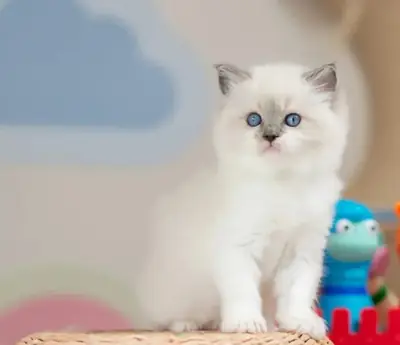
Ragdoll kitten female
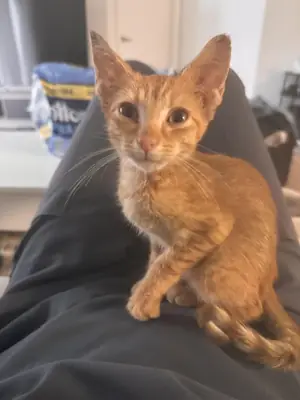
indoor cat, easy to care for
Popular Searches
Free Domestic Shorthair cat adoption Westminster
Free Domestic Shorthair cat adoption in Westminster should be checked by temperament, health history and home fit before colour or cuteness. Domestic Shorthair cats are not one fixed pedigree type; they are short-coated cats with different personalities, energy levels, histories and care needs.
A strong listing should explain age, microchip transfer, vaccination status, neutering, litter habits, indoor or outdoor history, feeding routine, flea and worm treatment, vet records and the real reason for rehoming. “Friendly short-haired cat” is not enough detail for a Westminster home where space, noise, stairs, traffic and daily routine all matter.
Domestic Shorthair cats for adoption in Westminster
Domestic Shorthair cats for adoption in Westminster can include tabby, black, black and white, ginger, tortoiseshell, grey, white and mixed-colour cats. Coat colour may help you find a listing, but it does not tell you whether the cat is confident, shy, vocal, playful, lap-loving, independent or nervous.
Ask whether the cat enjoys being handled, hides from visitors, uses the litter tray reliably, scratches furniture, needs outdoor access, has lived with children or other pets and has any known medical history. The right Domestic Shorthair is the cat whose routine matches your actual home.
Free cat adoption Westminster
Free cat adoption in Westminster should not mean careless adoption. A no-fee cat still needs microchip details, health history, litter training information, parasite treatment, feeding notes and a safe handover plan.
Ask why the cat is being rehomed for free. Moving home, landlord rules, allergies, a new baby, conflict with another cat, stress indoors or medical cost all create different risks. A honest reason helps you decide whether the cat will settle in your home.
Moggy adoption Westminster
Moggy adoption in Westminster usually means adopting a non-pedigree cat, often exactly the kind of short-haired companion many UK households know best. These cats can be affectionate, clever, quiet, bold, shy, playful or deeply independent depending on their past and personality.
Ask about the cat’s daily habits: where it sleeps, how it eats, whether it follows people, whether it likes laps, whether it hides from strangers and whether it prefers indoor safety or outdoor freedom. A moggy is not “basic”; it still needs a careful match.
Short haired cat adoption Westminster
Short haired cat adoption in Westminster appeals to people who want easier coat care than a long-haired cat, but short coat does not mean zero care. Domestic Shorthairs still need brushing, nail checks, parasite control, dental attention and regular health monitoring.
Ask whether the cat sheds heavily, overgrooms, has bald patches, has flea allergy signs, dislikes brushing or has skin irritation. A neat short coat can still hide medical or stress problems.
Rescue cat Westminster
Rescue cat searches in Westminster often come from people who want a second-chance cat but still need practical details. The listing should explain whether the cat is nervous, confident, indoor-only, previously stray, used to children, used to other animals or recovering from a stressful home.
Ask what the cat needs in the first month: quiet room, slow introductions, medication, special food, litter preference, scratch post habit or extra hiding places. A rescue Domestic Shorthair can settle beautifully when the new home respects its pace.
Cat rehoming Westminster
Cat rehoming in Westminster needs a direct reason. A cat being rehomed because of allergies is different from a cat rehomed because of litter tray problems, aggression, stress, indoor boredom, outdoor risk, landlord issues or conflict with another pet.
Ask how long the current keeper has had the cat, whether it has changed homes before, whether it has any bite or scratch incidents and whether vet records are available. Vague emotional wording is not enough; the new home needs the facts.
Cats for adoption near me Westminster
Cats for adoption near me searches around Westminster often include Pimlico, Victoria, Belgravia, Mayfair, Marylebone, Soho, Paddington, Maida Vale, Kensington, Chelsea, Camden and wider Central London.
Local adoption helps because you can check the cat’s real condition, confirm microchip details, ask about litter habits and plan a calmer journey home. Nearby is useful only when the listing gives proper health and behaviour information.
Domestic Shorthair kitten adoption Westminster
Domestic Shorthair kitten adoption in Westminster needs extra care because kittens are easy to choose emotionally and easy to misjudge. The listing should show exact age, microchip status where relevant, vaccination plan, worming, flea treatment, litter training, food routine and whether the kitten is well socialised.
Ask whether the kitten is eating independently, using a litter tray, playful without being fearful, handled gently and used to normal home sounds. A kitten should not be rushed into a new home just because the advert says “ready now”.
Free kittens Westminster
Free kittens in Westminster should trigger careful checks. Genuine rehoming can happen, but kitten listings can also hide poor care, unclear age, missing vet treatment, rushed separation, fake photos or unhealthy kittens being moved quickly.
Ask for current videos, exact age, mother information where known, eating routine, litter training, worming, flea treatment and any vet notes. A free kitten can become expensive fast if health and early care are weak.
Adult Domestic Shorthair cat adoption Westminster
Adult Domestic Shorthair cat adoption in Westminster can be a strong choice because personality, size, litter habits, noise level and home preferences are already visible. You can ask direct questions instead of guessing what a kitten will become.
Ask whether the cat is lap-friendly, independent, nervous, playful, vocal, indoor-only, outdoor-experienced, good with visitors and calm around normal household activity. Adult cats are often easier to match when the history is honest.
Senior Domestic Shorthair cat adoption Westminster
Senior Domestic Shorthair cat adoption in Westminster can suit a quieter home that understands gentle routines, vet checks, dental care, arthritis comfort and litter tray access. Older cats can be deeply affectionate, but they need honest medical disclosure.
Ask about appetite, drinking, weight loss, vomiting, dental work, kidney history, thyroid checks, arthritis, medication, hearing, eyesight and whether the cat can manage stairs. A senior cat needs stability, not another stressful move.
Indoor cat adoption Westminster
Indoor cat adoption in Westminster is a major search intent because many homes are flats, apartments or close to busy roads. A Domestic Shorthair can live indoors if enrichment, litter setup, climbing space, scratching areas and play routine are handled properly.
Ask whether the cat has always lived indoors, whether it tries to escape, whether it becomes bored, whether it scratches furniture and whether it needs balcony safety. Indoor-only should mean managed comfort, not a cat trapped with nothing to do.
Outdoor cat adoption Westminster
Outdoor cat adoption in Westminster needs serious thought because Central London roads, noise, shared entrances, courtyards and unfamiliar streets can create risk. A cat used to outdoor access may become frustrated if suddenly kept indoors without enrichment.
Ask whether the cat currently goes outside, whether it uses a cat flap, whether it returns reliably, whether it has road sense and whether a safer indoor transition is possible. Outdoor history affects the adoption match.
Flat-friendly cat adoption Westminster
Flat-friendly cat adoption in Westminster should focus on noise tolerance, litter tray reliability, indoor enrichment and whether the cat needs outdoor access. Some cats settle perfectly in flats; others become stressed, vocal or destructive without more space and stimulation.
Ask whether the cat is used to lifts, hallways, neighbours, city sounds, visitors and being indoors. A good flat cat is calm, litter reliable and able to enjoy vertical space, windows, scratching posts and daily play.
Apartment cat adoption Central London
Apartment cat adoption in Central London needs a cat that can cope with indoor life, building noise and limited outdoor access. Domestic Shorthairs vary widely; one cat may love window watching while another becomes restless without a garden.
Ask about scratching, litter tray habits, play needs, hiding behaviour, balcony safety, door-dashing and how the cat reacts to visitors or corridor noise. Apartment suitability is behaviour-based, not breed-based.
Litter trained cat adoption Westminster
Litter trained cat adoption in Westminster should include the exact tray setup the cat already uses. Tray type, litter texture, location, cleaning routine and stress level can all affect whether a cat stays reliable after moving.
Ask whether the cat has ever toileted outside the tray, whether it dislikes covered trays, whether it needs more than one tray and whether any urinary issue has been ruled out. Litter problems are not small in a city flat.
Neutered Domestic Shorthair cat adoption Westminster
Neutered Domestic Shorthair cat adoption in Westminster can make home life more predictable, especially where indoor living, shared buildings and other local cats are involved. Neutering helps reduce roaming, mating behaviour and some conflict risks.
Ask whether the cat is neutered, when it was done, whether recovery was normal and whether behaviour changed afterwards. If not neutered, ask what the plan is and whether a vet has advised timing.
Microchipped cat adoption Westminster
Microchipped cat adoption in Westminster should include clear transfer details. The chip should match the cat, and keeper information should be updated correctly after adoption.
This matters even for indoor cats because a newly adopted cat can slip through a door, escape from a carrier or panic in a new building. Identity details should be correct from day one.
Vaccinated Domestic Shorthair cat adoption Westminster
Vaccinated Domestic Shorthair cat adoption in Westminster should include what has been given, what is due next and whether a vet record is available. “Healthy” is too vague when a cat is changing homes.
Ask about cat flu protection, FeLV status where relevant, boosters, flea treatment, worming, dental history, weight, appetite, vomiting, diarrhoea, medication and recent vet visits. A proper health picture protects both the cat and adopter.
FIV cat adoption Westminster
FIV cat adoption in Westminster can be suitable for the right home when the adopter understands the cat’s health status and living needs. The listing should be clear, not vague or hidden.
Ask whether the cat has been tested, whether it is indoor-only, whether it has dental issues, whether it has had infections and what the vet has advised. A cat with FIV may still have a good quality of life, but the adopter needs honest information.
FeLV cat adoption Westminster
FeLV cat adoption in Westminster needs clear medical disclosure because the cat’s status affects household matching, vet planning and whether it can live with other cats. Do not accept unclear wording around test results.
Ask whether the cat has tested positive, whether a follow-up test was advised, whether it is indoor-only, whether it has symptoms and whether the home should avoid mixing with FeLV-negative cats. Medical clarity is non-negotiable.
Domestic Shorthair cat with children Westminster
A Domestic Shorthair cat with children can work when the individual cat is confident, gentle and not easily overwhelmed. Some cats enjoy family activity; others prefer quiet adult homes and may hide, hiss or scratch if chased or grabbed.
Ask whether the cat has lived with babies, young children or teenagers, whether it tolerates noise, whether it enjoys being stroked and whether it has ever scratched when frightened. Child-safe should mean proven behaviour, not hopeful wording.
Domestic Shorthair cat with dogs Westminster
A Domestic Shorthair cat with dogs needs careful matching. Some cats can live calmly with a gentle dog; others become stressed, hide, stop eating or attack if they feel cornered.
Ask whether the cat has lived with dogs, what size and energy level, whether it had escape spaces and whether introductions were successful. A dog-friendly cat should have real history, not a guess.
Domestic Shorthair cat with other cats Westminster
A Domestic Shorthair cat with other cats should be assessed by past behaviour, not just age or friendliness with people. Cats can be territorial, selective or stressed by sharing food, trays and sleeping areas.
Ask whether the cat has lived with cats before, whether it fought, hid, sprayed, blocked resources or bonded with another cat. Multi-cat homes need slow introductions and enough trays, bowls, beds and safe spaces.
Bonded pair cats adoption Westminster
Bonded pair cats adoption in Westminster can be a strong option if the cats are genuinely attached and not just listed together for convenience. A bonded pair may groom, sleep together, play together and become stressed when separated.
Ask whether the cats share space peacefully, whether one bullies the other, whether they need separate food or litter trays and whether they have always lived together. A real bonded pair should be adopted with their relationship protected.
Tabby Domestic Shorthair adoption Westminster
Tabby Domestic Shorthair adoption in Westminster is a popular search because tabby markings are common and easy to recognise. The useful question is not just “tabby available?” but whether the individual cat fits your home.
Ask about confidence, litter habits, indoor or outdoor preference, health records, handling, play style and whether the cat has lived with children or pets. Pattern should help you find the cat, not replace the adoption checks.
Black Domestic Shorthair cat adoption Westminster
Black Domestic Shorthair cat adoption in Westminster should be treated with the same care as any other colour. Black cats can be affectionate, bold, quiet, playful, shy or independent; colour does not decide personality.
Ask about temperament, microchip transfer, vaccination, neutering, litter reliability, indoor preference and vet history. A black cat may photograph simply, but the right one can be a brilliant home companion.
Black and white cat adoption Westminster
Black and white cat adoption in Westminster often includes tuxedo-pattern Domestic Shorthairs, but markings do not tell you whether the cat is social, independent, vocal or nervous.
Ask whether the cat likes laps, tolerates visitors, uses the litter tray reliably, scratches furniture, needs outdoor access and has any health notes. A smart-looking coat does not replace behaviour history.
Ginger Domestic Shorthair adoption Westminster
Ginger Domestic Shorthair adoption in Westminster is a strong colour-led search, but every ginger cat still needs individual checks. Some are bold and people-focused; others are reserved, territorial or easily stressed.
Ask about neutering, indoor or outdoor history, weight, food behaviour, litter habits, dental history and whether the cat has lived with other animals. Colour creates interest; history creates a safe match.
Tortoiseshell Domestic Shorthair adoption Westminster
Tortoiseshell Domestic Shorthair adoption in Westminster attracts people who like distinctive coats, but personality still matters more than pattern. A tortoiseshell cat may be affectionate, opinionated, shy, playful or independent depending on the individual.
Ask about handling, hiding, litter habits, vet history, indoor preference and whether the cat becomes stressed by noise or other pets. Do not adopt for markings alone.
Grey Domestic Shorthair cat adoption Westminster
Grey Domestic Shorthair cat adoption in Westminster can look visually similar to some pedigree-type cats, but most Domestic Shorthairs should be judged as individuals rather than compared by appearance.
Ask about age, microchip, vaccination, neutering, litter training, grooming, appetite, play style and whether the cat is relaxed in busy homes. A grey coat may be elegant, but adoption should still be evidence-led.
Shy cat adoption Westminster
Shy cat adoption in Westminster can work beautifully in a patient home. A shy Domestic Shorthair may need a quiet starter room, hiding spots, slow handling, predictable feeding and no forced contact.
Ask what triggers hiding, whether the cat allows touch, whether it eats when people are nearby and how long it took to settle in the current home. A shy cat is not a bad cat; it just needs the right pace.
Lap cat adoption Westminster
Lap cat adoption in Westminster should be based on proven behaviour. Some Domestic Shorthairs love sitting with people, while others enjoy company but dislike being held or picked up.
Ask whether the cat chooses laps, tolerates being carried, follows people around, sleeps nearby or prefers contact on its own terms. A cat described as affectionate should still have clear boundaries respected.
Quiet cat adoption Westminster
Quiet cat adoption in Westminster is common for flats, shared buildings and homes where noise matters. A quiet cat may still need play, enrichment, scratching areas and a predictable routine.
Ask whether the cat meows at night, cries at doors, becomes vocal when hungry or reacts to hallway noise. Quiet should mean settled, not withdrawn from stress or illness.
Domestic Shorthair cat health Westminster
Domestic Shorthair cat health checks should include weight, appetite, drinking, dental condition, coat quality, flea signs, vomiting, diarrhoea, breathing, litter habits and any past illness. Mixed-background cats can be hardy, but they are not automatically health-problem-free.
Ask whether the cat has had vet checks, vaccinations, neutering, blood tests, dental work, FIV or FeLV testing where relevant and any current medication. “Looks healthy” is not a full history.
Cat dental care adoption Westminster
Cat dental care should be checked before adoption because bad breath, drooling, red gums, missing teeth, pawing at the mouth or eating on one side can point to pain. Domestic Shorthairs can still need dental treatment.
Ask whether the cat has had dental cleaning, extractions, gum disease, mouth ulcers or trouble eating dry food. Dental pain can change behaviour, appetite and quality of life.
Overweight cat adoption Westminster
Overweight cat adoption in Westminster needs a realistic feeding and activity plan. Indoor cats, older cats and food-loving cats can gain weight if portions, treats and play are not managed.
Ask the cat’s current weight, body condition, food amount, treat habits, activity level and whether a vet has advised weight loss. A heavy cat may be cute in photos but uncomfortable in daily life.
Cat urinary problems adoption Westminster
Cat urinary problems should be discussed before adoption because frequent urination, straining, blood in urine, accidents outside the tray or crying in the litter box can be serious. Stress can also affect urinary behaviour.
Ask whether the cat has had cystitis, blocked bladder, urine tests, special food or repeated litter tray accidents. Do not assume toileting problems are just bad behaviour.
Cat adoption scam Westminster
Cat adoption scams in Westminster can use stolen photos, fake urgent stories, delivery-only offers, sudden deposits, vague microchip details and no real health history. Free adoption listings can still be used to pressure people into paying hidden transport or holding fees.
Ask for current videos, proof of ownership, microchip details, vet records, a clear rehoming reason and a safe handover plan. If the person avoids proof but pushes speed, walk away.
Frequently Asked Questions
What should I check before adopting a free Domestic Shorthair cat in Westminster?
Check the cat’s age, microchip transfer, vaccination status, neutering, vet records, litter training, indoor or outdoor history, temperament, feeding routine and reason for rehoming.
Also ask about dental health, weight, flea and worm treatment, FIV or FeLV testing where relevant, urinary problems, vomiting, diarrhoea, medication and whether the cat has lived with children, cats or dogs.
Is a Domestic Shorthair a breed?
Domestic Shorthair usually describes a short-coated non-pedigree cat rather than one single pedigree breed.
Because personalities vary widely, adopters should judge the individual cat’s temperament, routine, health history and home needs rather than relying on the label alone.
Are Domestic Shorthair cats good for adoption?
Domestic Shorthair cats can be excellent adoption cats because they come in many ages, colours and personalities.
The right match depends on whether the cat is indoor-only, outdoor-experienced, shy, social, playful, quiet, child-friendly or better suited to an adult home.
Are Domestic Shorthair cats good for first-time owners?
Many Domestic Shorthair cats can suit first-time owners, especially when the cat has clear litter habits, stable behaviour and known health history.
A nervous, medical, outdoor-dependent or multi-pet-sensitive cat may need a more experienced adopter.
Can Domestic Shorthair cats live in flats?
Some Domestic Shorthair cats live well in flats if they have enrichment, scratching posts, climbing space, safe windows, play time and reliable litter setup.
Ask whether the cat has always lived indoors, whether it tries to escape and whether it becomes stressed without outdoor access.
Can a Domestic Shorthair cat be indoor-only?
A Domestic Shorthair cat can be indoor-only if it is suited to indoor life and has enough stimulation, space, play and environmental comfort.
Ask whether the cat is used to being indoors, whether it door-dashes, whether it scratches furniture and whether it needs outdoor access to stay settled.
Should I adopt an indoor or outdoor cat in Westminster?
Choose based on the cat’s history and your home. Westminster homes may be close to busy roads, shared entrances or apartment blocks, so outdoor access is not always realistic.
An outdoor-experienced cat may struggle if suddenly kept indoors, while an indoor cat may suit a flat better when enrichment is planned properly.
Are Domestic Shorthair cats good with children?
Some Domestic Shorthair cats are good with children, while others need a quieter home.
Ask whether the cat has lived with children, what ages, whether it tolerates noise, whether it scratches when frightened and whether it enjoys being handled.
Can Domestic Shorthair cats live with dogs?
A Domestic Shorthair cat may live with dogs if it has previous dog experience and the dog is calm around cats.
Ask what type of dog the cat lived with, whether the cat had escape spaces and whether it showed fear, hiding or aggression.
Can Domestic Shorthair cats live with other cats?
Some Domestic Shorthair cats live well with other cats, but others prefer to be the only cat.
Ask whether the cat has lived with cats before, whether it fought, hid, sprayed, blocked resources or bonded with another cat.
Is it better to adopt a kitten or adult Domestic Shorthair?
An adult Domestic Shorthair is often easier to assess because personality, litter habits, size and home preference are already visible.
A kitten gives more time to shape habits, but it needs socialisation, safe handling, litter training, play, vet care and patience.
What should I ask before adopting a kitten in Westminster?
Ask the kitten’s exact age, microchip status where relevant, vaccination plan, worming, flea treatment, litter training, diet, mother information where known and current health.
Also ask whether the kitten is eating independently, playful, handled gently and used to normal home sounds.
Are senior Domestic Shorthair cats good to adopt?
Senior Domestic Shorthair cats can be excellent companions for calm homes.
Ask about dental work, kidney history, thyroid checks, arthritis, appetite, drinking, weight loss, medication and whether the cat can manage stairs or high furniture.
Should a Domestic Shorthair cat be microchipped before adoption?
Yes, the cat should have clear microchip details and the keeper information should be transferred correctly after adoption.
This matters even for indoor cats because a newly adopted cat can escape from a carrier, hallway, balcony or front door.
Should a Domestic Shorthair cat be vaccinated before adoption?
Vaccination status should be clear before adoption. Ask what has been given, what is due next and whether a vet record is available.
Also ask about flea treatment, worming, cat flu history, FeLV status where relevant and any recent illness.
Should a Domestic Shorthair cat be neutered before adoption?
Neutering is an important detail because it affects roaming, mating behaviour, pregnancy risk and some conflict issues.
Ask whether the cat is neutered, when it was done, whether recovery was normal and whether a vet has advised anything further.
What does litter trained mean in cat adoption?
Litter trained means the cat reliably uses a litter tray, but the exact setup matters.
Ask what litter type, tray style, tray location and cleaning routine the cat is used to, and whether it has ever toileted outside the tray.
Why might a cat stop using the litter tray after adoption?
A cat may stop using the tray because of stress, new litter, poor tray location, dirty trays, not enough trays or a medical issue.
Ask about previous litter problems and seek vet advice quickly if there is straining, blood, crying or repeated accidents.
What health problems should I ask about in a Domestic Shorthair cat?
Ask about dental disease, obesity, kidney problems, thyroid issues, urinary problems, skin irritation, fleas, vomiting, diarrhoea, breathing issues and current medication.
Also ask whether the cat has had vet checks, blood tests, vaccinations, neutering and FIV or FeLV testing where relevant.
Should I ask about FIV before adopting a cat?
Yes, ask whether the cat has been tested for FIV if the history suggests outdoor life, fighting, stray background or unknown medical status.
A cat with FIV may still have good quality of life, but the adopter needs clear information about care and household matching.
Should I ask about FeLV before adopting a cat?
Yes, FeLV status matters because it can affect health planning and whether the cat can live with other cats.
Ask whether the cat has tested positive, whether follow-up testing was advised and whether indoor-only care is recommended.
Do Domestic Shorthair cats need grooming?
Domestic Shorthair cats usually need less grooming than long-haired cats, but they still benefit from brushing, nail checks and coat monitoring.
Ask whether the cat sheds heavily, overgrooms, has bald patches, dislikes brushing or has skin irritation.
Do Domestic Shorthair cats shed?
Yes, Domestic Shorthair cats can shed, especially during seasonal changes or stress.
Regular brushing can help reduce loose hair and also helps you notice fleas, skin problems or coat changes earlier.
Are Domestic Shorthair cats low maintenance?
They may be simpler to groom than long-haired cats, but they are not maintenance-free.
They still need litter care, feeding control, play, scratching areas, vet checks, vaccination planning, parasite control and emotional stability.
What should I prepare before bringing a Domestic Shorthair cat home?
Prepare a carrier, litter tray, familiar litter, food and water bowls, familiar food, scratching post, bed, hiding place, toys, brush and vet registration.
Start the cat in one calm room before opening the rest of the home, especially in a Westminster flat or busy household.
How long does a cat need to settle after adoption?
Some cats settle in days, while others need weeks to feel safe.
Give the cat a quiet room, predictable feeding, clean litter, hiding places and no forced handling during the first stage.
Should I adopt a shy Domestic Shorthair cat?
A shy Domestic Shorthair can be a good adoption choice for a patient, quiet home.
Ask what triggers hiding, whether the cat allows touch, whether it eats around people and what helped it feel safe before.
Should I adopt a bonded pair of cats?
A bonded pair can be a good option if the cats are genuinely attached and become stressed when separated.
Ask whether they sleep together, groom each other, play together, share space peacefully and need separate food or litter trays.
What are red flags in a free cat adoption listing?
Red flags include vague rehoming reasons, no microchip details, no vet history, rushed handover, delivery-only offers, copied photos and refusal to discuss litter habits or health.
Be careful with any listing that pushes speed but avoids proof of ownership, current videos and basic care information.
How do I avoid cat adoption scams in Westminster?
Ask for current videos, proof of ownership, microchip details, vet records, a clear rehoming reason and a safe handover plan.
Avoid delivery-only pressure, urgent deposits, hidden transport fees and anyone who refuses basic questions about identity, health and behaviour.