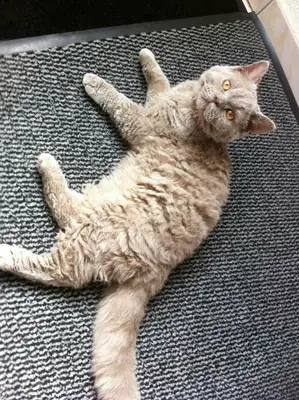
vs
Click on the breeds above to change the breed you want to compare.
Compare Abyssinian and Tennessee Rex side by side: temperament, energy, trainability, apartment fit, shedding, lifespan, weight and free adoption listings.
Breed traits
Character & behavior
Energy level
Playfulness
Intelligence
Trainability
Protectiveness
Sociability
Can stay alone
Lifestyle fit
Apartment-friendly
Yes
Yes
Good with kids
Yes
Yes
Good for first-time owners
Yes
Yes
Shedding
Noise level
Exercise needs
Physical & general
Life span
12–15 years
12–15 years
Weight
3.5–4.5 kg
3.5–5.5 kg
Height
20–25 cm
30–35 cm
Origin
Ethiopia
United States
Grooming effort
Nutrition sensitivity
Health risk
Heat tolerance
Cold tolerance
The Abyssinian and Tennessee Rex are two unique cat breeds, each with distinct characteristics that cater to different lifestyles and preferences. Both breeds share a similar lifespan of 12 to 15 years and are well-suited for families, making them excellent companions for first-time owners. The Abyssinian, originating from Ethiopia, is known for its higher energy level and intelligence, which may appeal to active households looking for an engaging pet. In contrast, the Tennessee Rex, hailing from the United States, offers a slightly larger size and a more moderate energy level, making it a good choice for those who prefer a more relaxed feline companion. Both breeds are sociable and friendly with children, but their exercise needs and noise levels differ, which can influence a potential owner's decision.
Abyssinian — Advantages
Higher intelligence (5) for easier training
More energetic (4) for active play
Good sociability (5) makes them great companions
Apartment-friendly and adaptable
Good with kids, making them family-friendly
More energetic (4) for active play
Good sociability (5) makes them great companions
Apartment-friendly and adaptable
Good with kids, making them family-friendly
Disadvantages
Higher exercise needs (4) may require more commitment
Moderate noise level (3) could be a concern for some
Less tolerant to cold climates (2) compared to Tennessee Rex
Moderate noise level (3) could be a concern for some
Less tolerant to cold climates (2) compared to Tennessee Rex
Tennessee Rex — Advantages
Slightly larger size (30-35 cm) may appeal to some owners
Moderate energy level (3) suitable for relaxed households
Lower noise level (2) makes them quieter companions
Good with kids and adaptable for first-time owners
Less nutrition sensitivity (2) compared to Abyssinian
Moderate energy level (3) suitable for relaxed households
Lower noise level (2) makes them quieter companions
Good with kids and adaptable for first-time owners
Less nutrition sensitivity (2) compared to Abyssinian
Disadvantages
Lower intelligence (4) may make training slightly more challenging
Less energetic (3), which might not suit very active families
Moderate exercise needs (3) could still require regular engagement
Less energetic (3), which might not suit very active families
Moderate exercise needs (3) could still require regular engagement
Frequently Asked Questions
Which breed is better for families with children?
Both breeds are good with kids, making them suitable for families.
How much exercise do these breeds need?
The Abyssinian needs more exercise (4), while the Tennessee Rex has moderate needs (3).
Are they suitable for apartment living?
Yes, both breeds are apartment-friendly.
How do they handle being alone?
Both breeds can stay alone (3), but may prefer companionship.
Which breed is more intelligent?
The Abyssinian is more intelligent (5) compared to the Tennessee Rex (4).
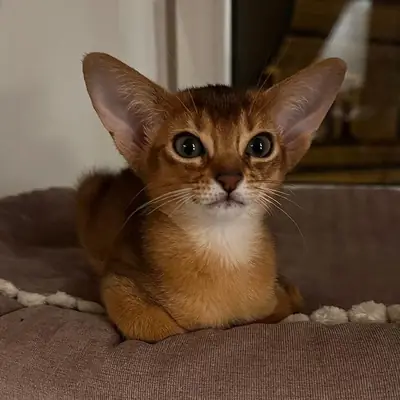
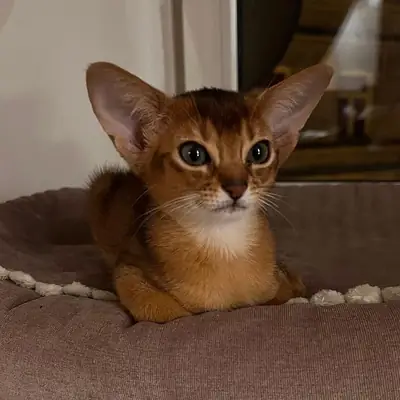
free Abyssinian adoption listings
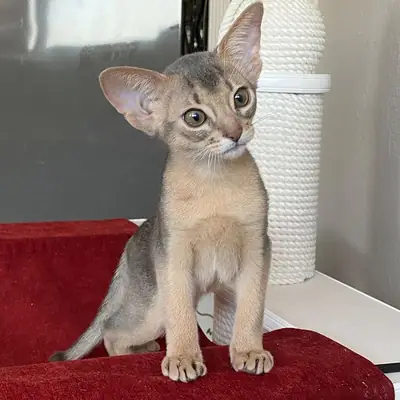
El último chico de azul y oro que sigue aquí.
Male
Not Educated
Free Adoption
10 views
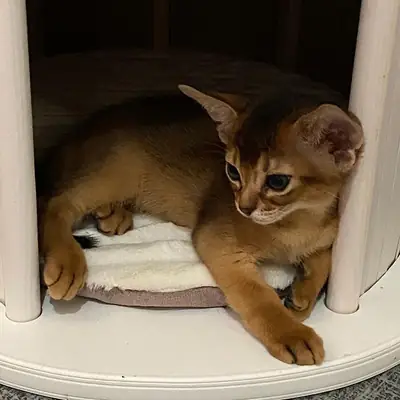
DeineTierwelt präsentiert Foto Nr. 2 DeineTierwelt präsentiert Foto Nr. 3 DeineTierwelt präsentiert
Male
Not Educated
Free Adoption
3 views
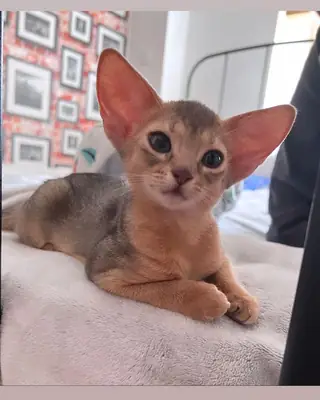
Al entregarlos a las 12 semanas
Male
Not Educated
Free Adoption
8 views

Los gatitos son de color
Male
Not Educated
Free Adoption
3 views
Gatitos British Shorthair de pura raza con pedigrí
Male
Not Educated
Free Adoption
11 views
Los cachorros estarán listos para ser entregados
Male
Not Educated
Free Adoption
52 views