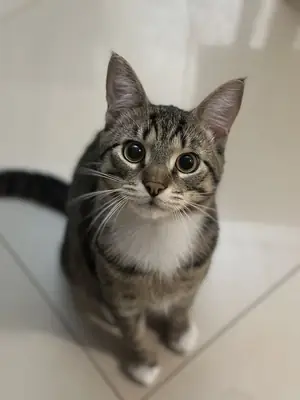
vs
Click on the breeds above to change the breed you want to compare.
Compare Bengal and Celtic Shorthair side by side: temperament, energy, trainability, apartment fit, shedding, lifespan, weight and free adoption listings.
Breed traits
Character & behavior
Energy level
Playfulness
Intelligence
Trainability
Protectiveness
Sociability
Can stay alone
Lifestyle fit
Apartment-friendly
Yes
Yes
Good with kids
Yes
Yes
Good for first-time owners
No
Yes
Shedding
Noise level
Exercise needs
Physical & general
Life span
12–16 years
12–15 years
Weight
4.5–7.5 kg
3.5–5.5 kg
Height
30–35 cm
30–40 cm
Origin
United States
United Kingdom
Grooming effort
Nutrition sensitivity
Health risk
Heat tolerance
Cold tolerance
When comparing the Bengal and the Celtic Shorthair, both breeds exhibit unique characteristics that cater to different lifestyles and preferences. The Bengal, originating from the United States, is known for its high energy and playfulness, making it suitable for active families. With a lifespan of 12 to 16 years, Bengals require considerable exercise and mental stimulation. In contrast, the Celtic Shorthair, hailing from the United Kingdom, has a slightly shorter lifespan of 12 to 15 years and a more moderate energy level. This breed is ideal for first-time owners due to its trainability and sociability. Both breeds are good with kids and are apartment-friendly, but their exercise needs and overall temperament differ significantly, influencing potential owners' choices.
Bengal — Advantages
High energy level suitable for active households.
Playful nature encourages interactive play.
Good with children, making them family-friendly.
Apartment-friendly, adaptable to smaller living spaces.
Intelligent and trainable, allowing for engaging activities.
Playful nature encourages interactive play.
Good with children, making them family-friendly.
Apartment-friendly, adaptable to smaller living spaces.
Intelligent and trainable, allowing for engaging activities.
Disadvantages
Requires significant exercise and mental stimulation.
Not recommended for first-time owners due to their needs.
Can be prone to noise, which may not suit all environments.
Moderate shedding may require regular grooming.
Not recommended for first-time owners due to their needs.
Can be prone to noise, which may not suit all environments.
Moderate shedding may require regular grooming.
Celtic Shorthair — Advantages
Moderate energy level, suitable for various lifestyles.
Good for first-time owners, easy to train.
Sociable and friendly with children.
Apartment-friendly, adapts well to smaller living spaces.
Lower nutrition sensitivity, easier dietary management.
Good for first-time owners, easy to train.
Sociable and friendly with children.
Apartment-friendly, adapts well to smaller living spaces.
Lower nutrition sensitivity, easier dietary management.
Disadvantages
Slightly shorter lifespan compared to Bengals.
Less playful and energetic, which may not appeal to active families.
Moderate exercise needs may still require attention.
Can stay alone, but may prefer companionship.
Less playful and energetic, which may not appeal to active families.
Moderate exercise needs may still require attention.
Can stay alone, but may prefer companionship.
Frequently Asked Questions
Which breed is better for families with young children?
Both breeds are good with kids, but the Bengal's high energy may be more suitable for active families.
Are Bengals more difficult to train than Celtic Shorthairs?
Bengals are intelligent and trainable, but may require more experience than the more beginner-friendly Celtic Shorthair.
How do the grooming needs compare between these two breeds?
Both breeds have a grooming difficulty level of 2, indicating they require similar grooming attention.
Can both breeds adapt to apartment living?
Yes, both the Bengal and Celtic Shorthair are apartment-friendly.
What are the exercise needs for each breed?
Bengals have a high exercise need (5), while Celtic Shorthairs have a moderate need (3).
free Bengal adoption listings
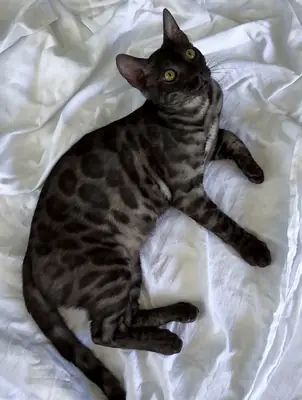
Bengal cat
Male
Not Educated
Free Adoption
28 views
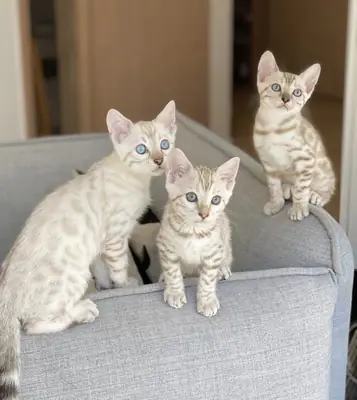
gatos bengalíes
Male
Not Educated
Free Adoption
25 views
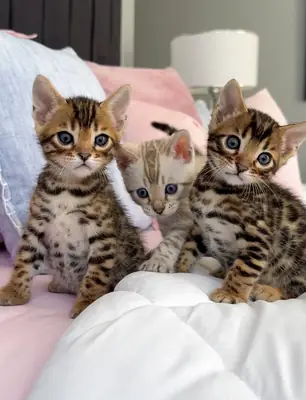
Gatitos de raza bengalí en adopción
Male
Not Educated
Free Adoption
16 views
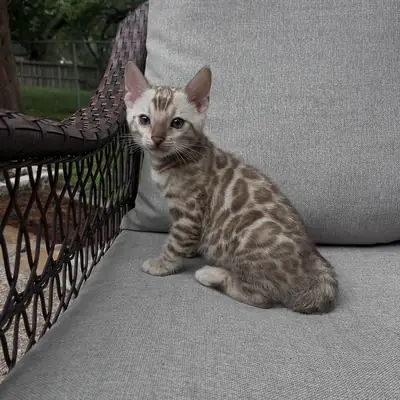
Gato bengalí
Male
Not Educated
Free Adoption
35 views
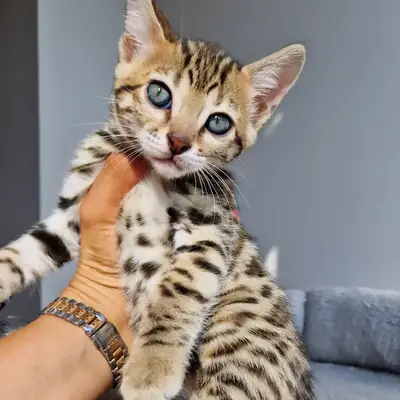
Gatitos bengalíes de pura raza de 12 semanas de edad.
Male
Not Educated
Free Adoption
24 views
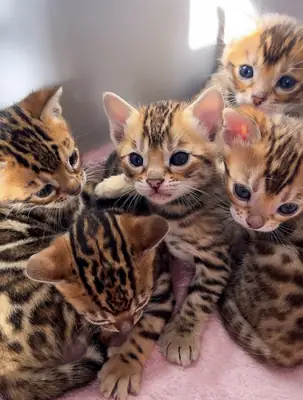
Bengal cats
Male
Not Educated
Free Adoption
43 views