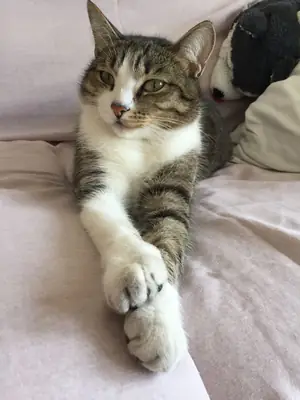
vs
Click on the breeds above to change the breed you want to compare.
Compare Bengal and Cyprus side by side: temperament, energy, trainability, apartment fit, shedding, lifespan, weight and free adoption listings.
Breed traits
Character & behavior
Energy level
Playfulness
Intelligence
Trainability
Protectiveness
Sociability
Can stay alone
Lifestyle fit
Apartment-friendly
Yes
Yes
Good with kids
Yes
Yes
Good for first-time owners
No
Yes
Shedding
Noise level
Exercise needs
Physical & general
Life span
12–16 years
12–15 years
Weight
4.5–7.5 kg
3.5–5.5 kg
Height
30–35 cm
30–40 cm
Origin
United States
Cyprus
Grooming effort
Nutrition sensitivity
Health risk
Heat tolerance
Cold tolerance
The Bengal and Cyprus breeds offer unique characteristics that cater to different lifestyles and preferences. Bengals are known for their high energy and playful nature, making them suitable for active families who can engage with them frequently. They thrive on interaction and have a moderate grooming requirement. In contrast, Cyprus cats are slightly less energetic and more adaptable for first-time owners, making them a great choice for those new to pet ownership. Both breeds are sociable and good with kids, but Bengals require more exercise and mental stimulation. When considering these breeds, potential owners should weigh their activity levels, grooming needs, and adaptability to their living situations.
Bengal — Advantages
- High energy level (5) suitable for active households.
- Very playful (5), providing entertainment and engagement.
- Good with kids, making them family-friendly.
- Intelligent (4) and trainable (4), allowing for easy learning of tricks and commands.
- Sociable (5), enjoys companionship and interaction.
- Very playful (5), providing entertainment and engagement.
- Good with kids, making them family-friendly.
- Intelligent (4) and trainable (4), allowing for easy learning of tricks and commands.
- Sociable (5), enjoys companionship and interaction.
Disadvantages
- Not ideal for first-time owners due to their high energy and needs.
- Requires significant exercise (5) to stay happy and healthy.
- Moderate shedding level (2) may require regular grooming.
- Requires significant exercise (5) to stay happy and healthy.
- Moderate shedding level (2) may require regular grooming.
Cyprus — Advantages
- Suitable for first-time owners, making it easier for novices.
- Good with kids, ensuring a friendly environment for families.
- Lower energy level (3) and exercise needs (3), making them easier to care for.
- Moderate grooming difficulty (2), keeping maintenance manageable.
- Less nutrition sensitivity (2) compared to Bengals.
- Good with kids, ensuring a friendly environment for families.
- Lower energy level (3) and exercise needs (3), making them easier to care for.
- Moderate grooming difficulty (2), keeping maintenance manageable.
- Less nutrition sensitivity (2) compared to Bengals.
Disadvantages
- Slightly lower playfulness (4) and sociability (4) compared to Bengals.
- Less intelligent (3) and trainable (3), which may limit learning capabilities.
- Weight range (3.50-5.50 kg) may be less robust than Bengals.
- Less intelligent (3) and trainable (3), which may limit learning capabilities.
- Weight range (3.50-5.50 kg) may be less robust than Bengals.
Frequently Asked Questions
Which breed is better for families with children?
Both breeds are good with kids, but Bengals are particularly playful and energetic, which can be great for active families.
Are Bengals suitable for first-time cat owners?
No, Bengals are not ideal for first-time owners due to their high energy and specific needs.
How much exercise do these breeds require?
Bengals require a high amount of exercise (5), while Cyprus cats have moderate exercise needs (3).
Do either of these breeds shed a lot?
Both breeds have a moderate shedding level (2), so regular grooming may be necessary.
How do these breeds handle being alone?
Both breeds can stay alone (3), but they thrive on social interaction.
free Bengal adoption listings
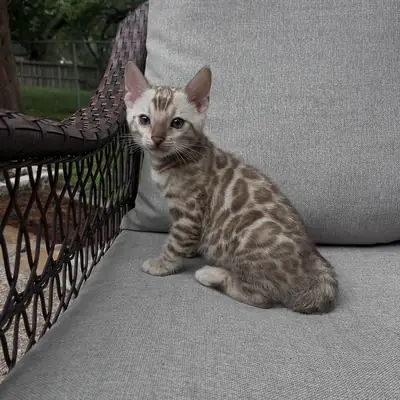
Gato bengalí
Male
Not Educated
Free Adoption
10 views
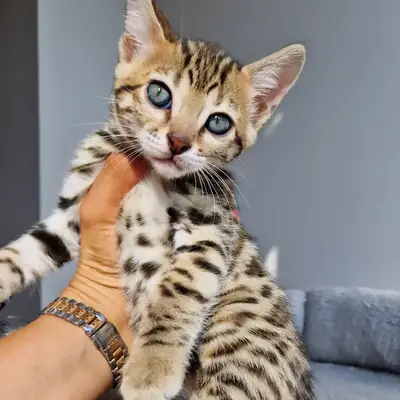
Gatitos bengalíes de pura raza de 12 semanas de edad.
Male
Not Educated
Free Adoption
15 views
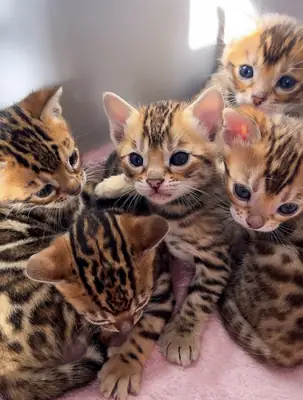
Bengal cats
Male
Not Educated
Free Adoption
32 views
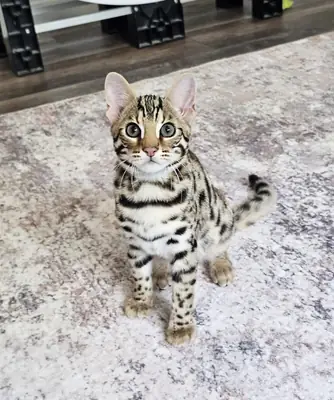
Lindo gato bengalí
Male
Not Educated
Free Adoption
91 views
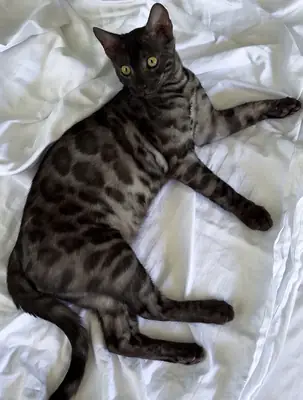
Smoke Bengal
Male
Not Educated
Free Adoption
72 views
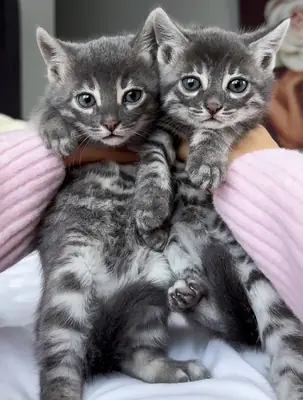
Adorable Bengal cats
Male
Not Educated
Free Adoption
77 views