vs
Click on the breeds above to change the breed you want to compare.
Compare Bengal and Domestic Longhair side by side: temperament, energy, trainability, apartment fit, shedding, lifespan, weight and free adoption listings.
Breed traits
Character & behavior
Lifestyle fit
Physical & general
Bengal — Advantages
- Very playful, ensuring constant engagement.
- Intelligent and trainable, making it easier to teach tricks.
- Sociable, enjoys the company of people and other pets.
- Apartment-friendly, adapts well to smaller living spaces.
Disadvantages
- Requires significant exercise and mental stimulation.
- Moderate shedding level may require regular grooming.
Domestic Longhair — Advantages
- Lower exercise needs, suitable for more relaxed environments.
- Adaptable to various living situations, including apartments.
- Generally lower grooming difficulty compared to Bengal.
Disadvantages
- Higher shedding level may require more frequent cleaning.
- May not be as trainable or responsive as Bengal.
Frequently Asked Questions
Which breed is better for families with children?
Both breeds are good with kids, but the Bengal's high energy may be more engaging for active families.
How much exercise do these breeds need?
Bengals require significant exercise and playtime, while Domestic Longhairs have lower exercise needs.
Are they good for first-time cat owners?
Domestic Longhairs are generally better suited for first-time cat owners, while Bengals may require more experience.
What are their grooming needs?
Bengals have moderate grooming needs, while Domestic Longhairs may require more frequent grooming due to their longer fur.
How do they adapt to apartment living?
Both breeds are apartment-friendly, but Bengals may need more stimulation to prevent boredom.
free Bengal adoption listings
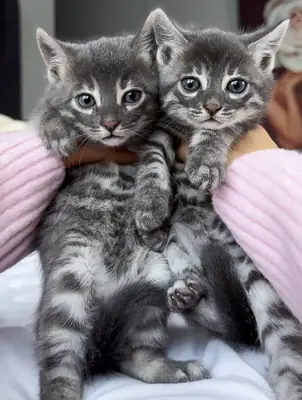
Pequeños minileopardos buscando apartamento.
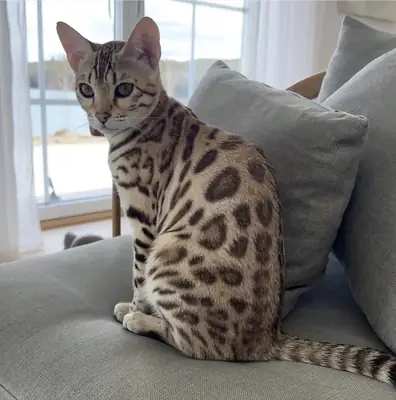
lindo gato de Bengala

Bengal kittens
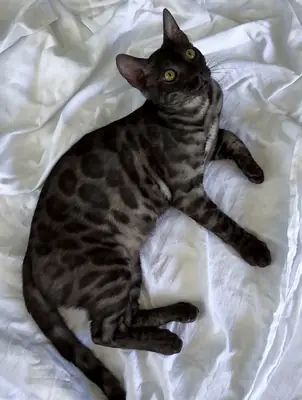
Bengal cat
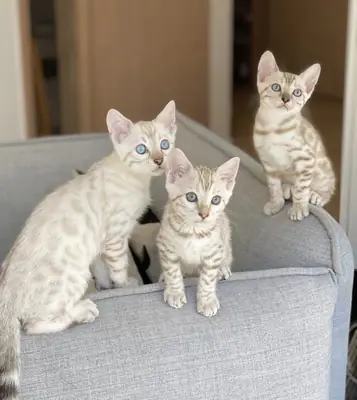
gatos bengalíes