vs
Click on the breeds above to change the breed you want to compare.
Compare Bengal and Munchkin side by side: temperament, energy, trainability, apartment fit, shedding, lifespan, weight and free adoption listings.
Breed traits
Character & behavior
Energy level
Playfulness
Intelligence
Trainability
Protectiveness
Sociability
Can stay alone
Lifestyle fit
Apartment-friendly
Yes
Yes
Good with kids
Yes
Yes
Good for first-time owners
No
Yes
Shedding
Noise level
Exercise needs
Physical & general
Life span
12–16 years
12–15 years
Weight
4.5–7.5 kg
2.5–4.5 kg
Height
30–35 cm
20–25 cm
Origin
United States
United States
Grooming effort
Nutrition sensitivity
Health risk
Heat tolerance
Cold tolerance
The Bengal and Munchkin breeds, both originating from the United States, offer unique traits and characteristics that cater to different lifestyles and preferences. Bengals are known for their high energy levels and playfulness, making them ideal for active families who can provide ample exercise and stimulation. In contrast, Munchkins are slightly less energetic and are often more suitable for first-time owners due to their manageable exercise needs and sociable nature. While both breeds are good with kids and apartment-friendly, their differences in size, energy, and trainability can significantly influence a potential owner's choice. Understanding these aspects can help prospective pet owners make an informed decision based on their living situation and lifestyle.
Bengal — Advantages
- High energy level (5) suitable for active households.
- Very playful (5), providing entertainment and engagement.
- Intelligent (4) and trainable (4), which can enhance the bond with owners.
- Sociable (5), making them great companions for families.
- Good with kids, ensuring a friendly environment.
- Very playful (5), providing entertainment and engagement.
- Intelligent (4) and trainable (4), which can enhance the bond with owners.
- Sociable (5), making them great companions for families.
- Good with kids, ensuring a friendly environment.
Disadvantages
- Requires a lot of exercise (5), which may not suit all lifestyles.
- Not ideal for first-time owners, as they may need more experienced handling.
- Moderate noise level (3) could be a concern in quieter homes.
- Not ideal for first-time owners, as they may need more experienced handling.
- Moderate noise level (3) could be a concern in quieter homes.
Munchkin — Advantages
- Suitable for first-time owners, making them easier to manage.
- Moderate exercise needs (3), fitting well into less active lifestyles.
- Sociable (5) and good with kids, ensuring a friendly family pet.
- Lower noise level (2), which is ideal for apartment living.
- Moderate exercise needs (3), fitting well into less active lifestyles.
- Sociable (5) and good with kids, ensuring a friendly family pet.
- Lower noise level (2), which is ideal for apartment living.
Disadvantages
- Lower energy level (3) may not be engaging enough for very active families.
- Smaller size (2.5-4.5 kg) may not appeal to those looking for a larger pet.
- Trainability is lower (3), which might affect learning new tricks.
- Smaller size (2.5-4.5 kg) may not appeal to those looking for a larger pet.
- Trainability is lower (3), which might affect learning new tricks.
Frequently Asked Questions
Which breed is better for families with children?
Both breeds are good with kids, but Bengals may require more supervision due to their high energy.
Are Bengals more difficult to train than Munchkins?
Yes, Bengals have a higher trainability score, but Munchkins are easier for first-time owners.
How much exercise do these breeds need?
Bengals need a lot of exercise (5), while Munchkins have moderate needs (3).
Which breed is more suitable for apartment living?
Both breeds are apartment-friendly, but Munchkins may adapt better due to their lower energy levels.
Do either of these breeds have health concerns?
Both breeds have a moderate health risk (2), but regular vet check-ups are essential for any pet.
free Bengal adoption listings
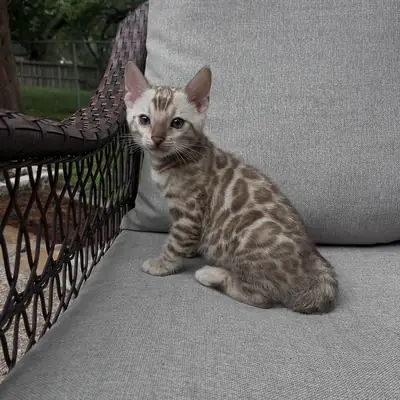
Gato bengalí
Male
Not Educated
Free Adoption
10 views
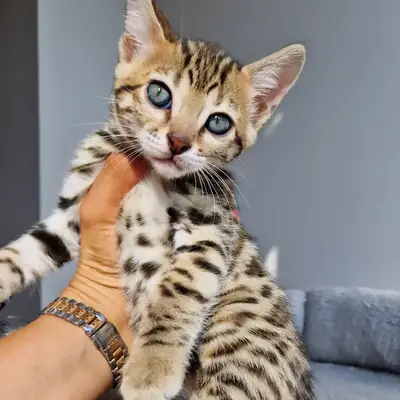
Gatitos bengalíes de pura raza de 12 semanas de edad.
Male
Not Educated
Free Adoption
15 views
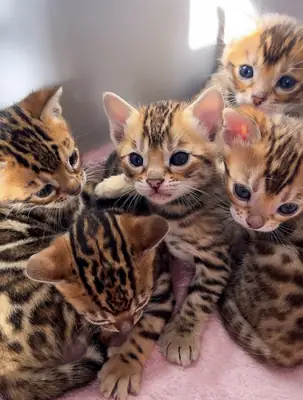
Bengal cats
Male
Not Educated
Free Adoption
32 views
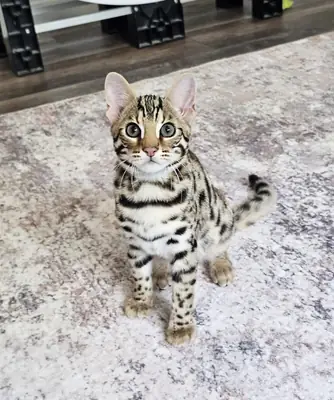
Lindo gato bengalí
Male
Not Educated
Free Adoption
91 views
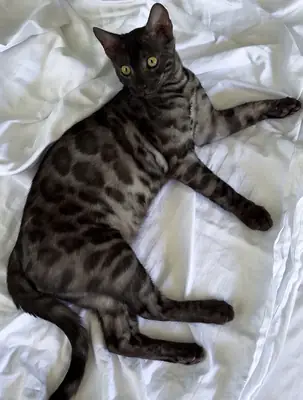
Smoke Bengal
Male
Not Educated
Free Adoption
72 views
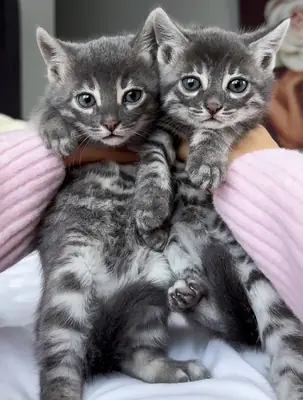
Adorable Bengal cats
Male
Not Educated
Free Adoption
77 views
free Munchkin adoption listings
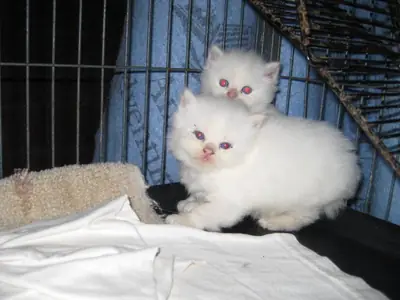
Munchkin kittens for sale
Male
Educated
Free Adoption
289 views
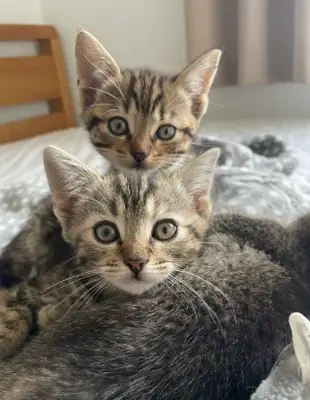
Adorable Munchkin Kittens
Male
Educated
Free Adoption
601 views
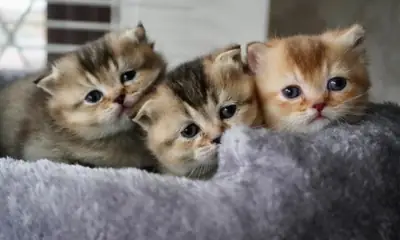
Adorable Purebred Munchkin Kittens Looking for Loving Homes!
Male
Educated
Free Adoption
666 views
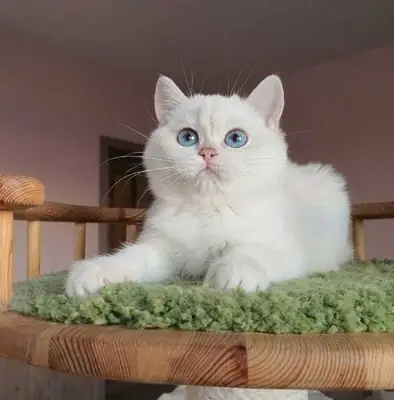
Munchkins kittens
Male
Educated
Free Adoption
692 views
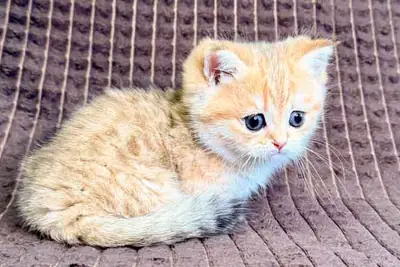
Munchkin kittens
Male
Not Educated
Free Adoption
875 views
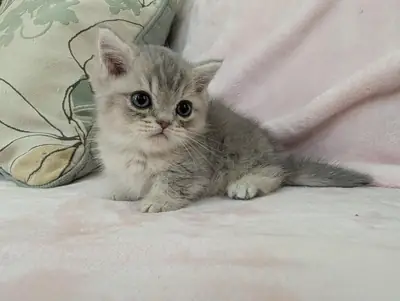
Munchkin kittens
Male
Not Educated
Free Adoption
1078 views