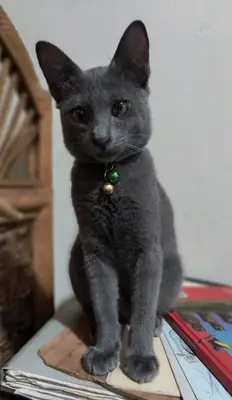
vs
Click on the breeds above to change the breed you want to compare.
Compare Bengal and Raas side by side: temperament, energy, trainability, apartment fit, shedding, lifespan, weight and free adoption listings.
Breed traits
Character & behavior
Energy level
Playfulness
Intelligence
Trainability
Protectiveness
Sociability
Can stay alone
Lifestyle fit
Apartment-friendly
Yes
Yes
Good with kids
Yes
Yes
Good for first-time owners
No
Yes
Shedding
Noise level
Exercise needs
Physical & general
Life span
12–16 years
12–15 years
Weight
4.5–7.5 kg
3.5–7.5 kg
Height
30–35 cm
25–30 cm
Origin
United States
India
Grooming effort
Nutrition sensitivity
Health risk
Heat tolerance
Cold tolerance
The Bengal and Raas breeds offer distinct characteristics that cater to different pet owners' needs. Both breeds are sociable and suitable for families with children, making them great companions. The Bengal, originating from the United States, is known for its high energy and playfulness, requiring more exercise and engagement. In contrast, the Raas, hailing from India, has a slightly lower energy level and is more adaptable for first-time owners. While both breeds are apartment-friendly and share similar grooming and shedding levels, the Bengal's higher exercise needs and trainability may appeal to active households. Conversely, the Raas may be a better fit for those seeking a more relaxed pet experience. Understanding these differences can help potential owners make an informed decision.
Bengal — Advantages
High energy level for active families
Excellent playfulness, engaging for children
Good trainability, responds well to training
Sociable nature, enjoys company
Apartment-friendly, adapts well to smaller living spaces
Excellent playfulness, engaging for children
Good trainability, responds well to training
Sociable nature, enjoys company
Apartment-friendly, adapts well to smaller living spaces
Disadvantages
Requires more exercise, may not suit less active owners
Not recommended for first-time owners due to higher needs
Moderate noise level, may be more vocal
Can be sensitive to nutrition, requiring careful diet management
Not recommended for first-time owners due to higher needs
Moderate noise level, may be more vocal
Can be sensitive to nutrition, requiring careful diet management
Raas — Advantages
Good for first-time owners, easier to manage
Lower exercise needs, suitable for less active households
Sociable and friendly, great with children
Apartment-friendly, fits well in smaller spaces
Lower nutrition sensitivity, easier dietary management
Lower exercise needs, suitable for less active households
Sociable and friendly, great with children
Apartment-friendly, fits well in smaller spaces
Lower nutrition sensitivity, easier dietary management
Disadvantages
Lower energy level may not suit active families
Slightly less playful compared to Bengal
Trainability is lower, may require more patience
Slightly shorter lifespan compared to Bengal
Slightly less playful compared to Bengal
Trainability is lower, may require more patience
Slightly shorter lifespan compared to Bengal
Frequently Asked Questions
Which breed is better for families with children?
Both breeds are good with kids, but the Bengal may offer more playful interaction.
Is the Bengal suitable for first-time pet owners?
No, the Bengal is not recommended for first-time owners due to its higher exercise and training needs.
How much exercise do these breeds need?
Bengals require more exercise (5) compared to Raas (3), making them more suitable for active households.
Are both breeds apartment-friendly?
Yes, both the Bengal and Raas are apartment-friendly and adapt well to smaller living spaces.
What is the lifespan of each breed?
Bengals typically live between 12 to 16 years, while Raas have a lifespan of 12 to 15 years.
free Bengal adoption listings
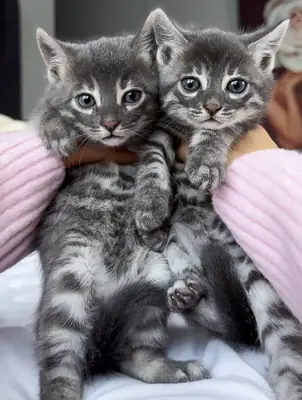
Pequeños minileopardos buscando apartamento.
Male
Not Educated
Free Adoption
10 views
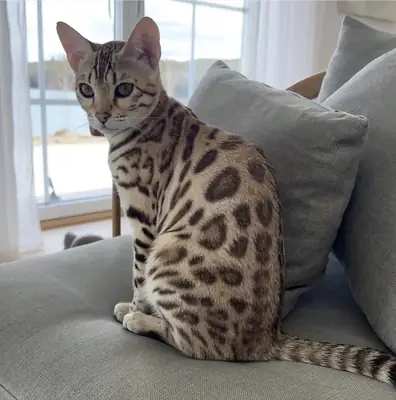
lindo gato de Bengala
Male
Not Educated
Free Adoption
13 views

Bengal kittens
Male
Not Educated
Free Adoption
25 views
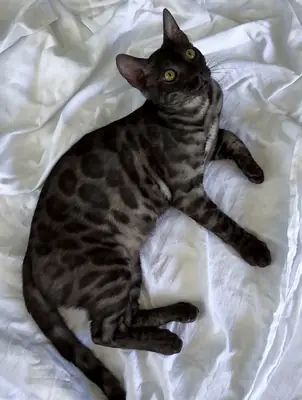
Bengal cat
Male
Not Educated
Free Adoption
50 views
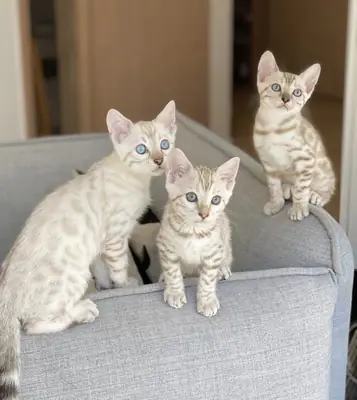
gatos bengalíes
Male
Not Educated
Free Adoption
36 views
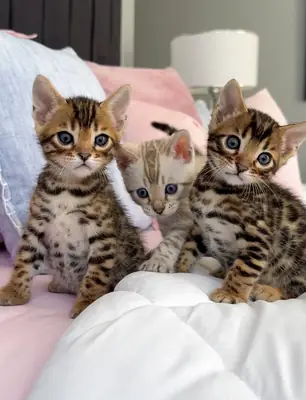
Gatitos de raza bengalí en adopción
Male
Not Educated
Free Adoption
38 views