vs
Click on the breeds above to change the breed you want to compare.
Compare Bichon Frise and Lhasa Apso side by side: temperament, energy, trainability, apartment fit, shedding, lifespan, weight and free adoption listings.
Breed traits
Character & behavior
Energy level
Playfulness
Intelligence
Trainability
Protectiveness
Sociability
Can stay alone
Lifestyle fit
Apartment-friendly
Yes
Yes
Good with kids
Yes
Yes
Good for first-time owners
Yes
Yes
Shedding
Noise level
Exercise needs
Physical & general
Life span
12–15 years
12–15 years
Weight
5–10 kg
5.9–8.2 kg
Height
23–30 cm
25–28 cm
Origin
France
Tibet
Grooming effort
Nutrition sensitivity
Health risk
Heat tolerance
Cold tolerance
The Bichon Frise and Lhasa Apso are both small breeds that make excellent companions, but they have distinct characteristics that may appeal to different owners. Both breeds have similar lifespans of 12 to 15 years and are friendly towards children, making them great choices for families. The Bichon Frise is known for its high sociability and playfulness, while the Lhasa Apso tends to be more protective. In terms of grooming, both breeds require similar levels of care, but their exercise needs differ slightly, with the Bichon needing a bit more activity. Understanding these differences can help potential pet owners choose the breed that best fits their lifestyle.
Bichon Frise — Advantages
Highly sociable and friendly with people and other pets.
Playful nature makes them great companions for families.
Good trainability and intelligence facilitate learning commands.
Apartment-friendly due to small size and moderate exercise needs.
Less noise level, making them suitable for close living quarters.
Playful nature makes them great companions for families.
Good trainability and intelligence facilitate learning commands.
Apartment-friendly due to small size and moderate exercise needs.
Less noise level, making them suitable for close living quarters.
Disadvantages
Moderate grooming difficulty may require regular maintenance.
Can be prone to separation anxiety if left alone for long periods.
Lower protectiveness might not suit those looking for a guard dog.
Can be prone to separation anxiety if left alone for long periods.
Lower protectiveness might not suit those looking for a guard dog.
Lhasa Apso — Advantages
More protective nature, providing a sense of security to owners.
Good with kids, making them suitable for family environments.
Similar apartment-friendly traits as the Bichon Frise.
Lower exercise needs, making them suitable for less active owners.
Good with kids, making them suitable for family environments.
Similar apartment-friendly traits as the Bichon Frise.
Lower exercise needs, making them suitable for less active owners.
Disadvantages
Less playful than the Bichon, which may not appeal to all families.
Trainability is lower, potentially making training more challenging.
Higher grooming difficulty similar to the Bichon, requiring regular upkeep.
Trainability is lower, potentially making training more challenging.
Higher grooming difficulty similar to the Bichon, requiring regular upkeep.
Frequently Asked Questions
Which breed is better for families with children?
Both breeds are good with kids, but the Bichon Frise is generally more playful.
How much exercise do these breeds need?
The Bichon Frise requires moderate exercise, while the Lhasa Apso needs slightly less.
Are they good for first-time pet owners?
Yes, both breeds are suitable for first-time owners.
How do their grooming needs compare?
Both breeds have a similar grooming difficulty and require regular maintenance.
Which breed is more protective?
The Lhasa Apso is generally more protective than the Bichon Frise.
free Bichon Frise adoption listings
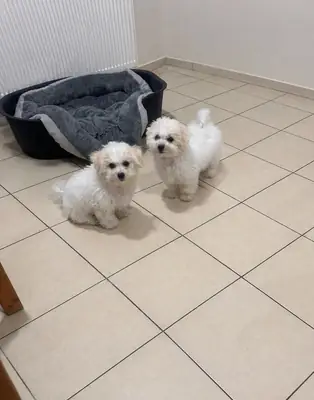
Bichon Frise
Male
Educated
Free Adoption
17 views
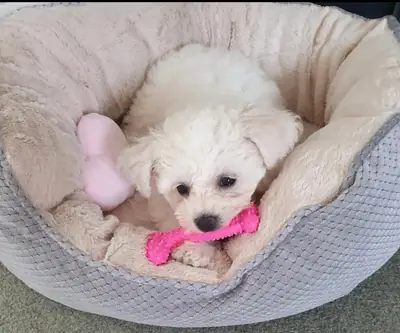
Bichon Frise
Male
Educated
Free Adoption
18 views
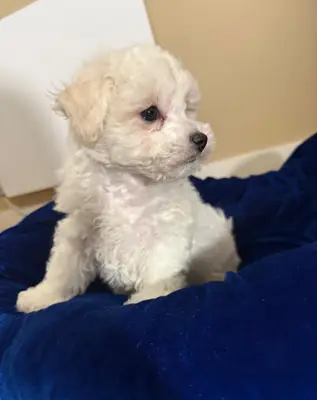
Bichon Frise
Male
Educated
Free Adoption
10 views

Bichon Frise
Male
Educated
Free Adoption
16 views
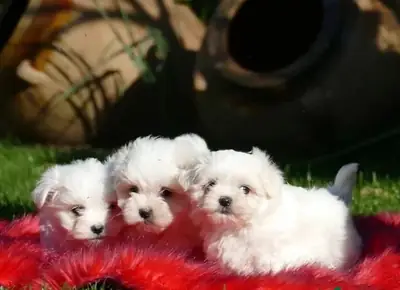
Bichon maltés macho - cachorro
Male
Not Educated
Free Adoption
14 views

Bichon Frise Puppies
Male
Educated
Free Adoption
52 views
free Lhasa Apso adoption listings
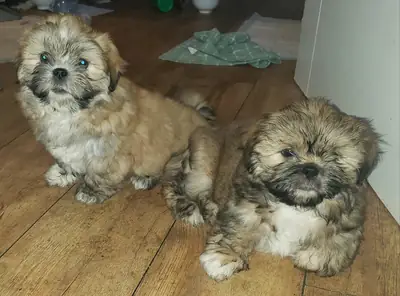
Regalo Lhasa Apso
Male
Educated
Free Adoption
273 views
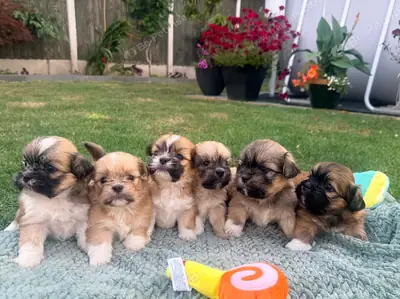
Lhasa Apso puppies for sale
Male
Not Educated
Free Adoption
437 views
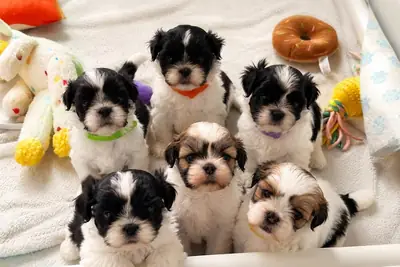
Κουτάβια Λάσα Άπσο
Male
Not Educated
Free Adoption
359 views
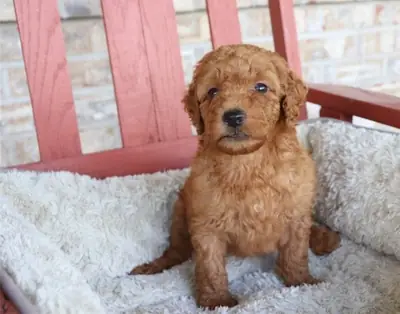
Miniature F1 Labradoodle Puppies Health Tested
Male
Educated
Free Adoption
693 views
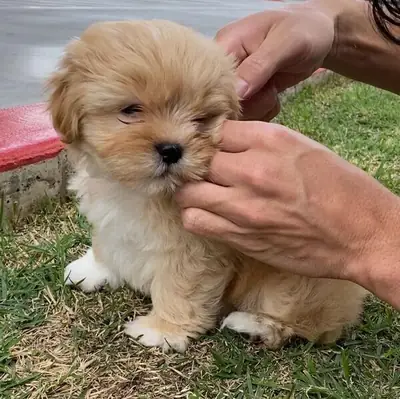
we have Lhasa Apso Puppies For Sale
Male
Educated
Free Adoption
819 views
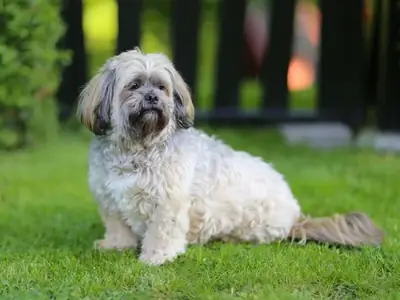
Lovely Lhasa Apso for Adoption
Male
Not Educated
Free Adoption
1463 views