vs
Click on the breeds above to change the breed you want to compare.
Compare Bichon Frise and Pomeranian side by side: temperament, energy, trainability, apartment fit, shedding, lifespan, weight and free adoption listings.
Breed traits
Character & behavior
Energy level
Playfulness
Intelligence
Trainability
Protectiveness
Sociability
Can stay alone
Lifestyle fit
Apartment-friendly
Yes
Yes
Good with kids
Yes
Yes
Good for first-time owners
Yes
Yes
Shedding
Noise level
Exercise needs
Physical & general
Life span
12–15 years
12–16 years
Weight
5–10 kg
1.4–3.2 kg
Height
23–30 cm
20–30 cm
Origin
France
Germany
Grooming effort
Nutrition sensitivity
Health risk
Heat tolerance
Cold tolerance
When considering the Pomeranian and the Bichon Frise, both breeds exhibit friendly and sociable traits, making them excellent companions. The Pomeranian, originating from Germany, is known for its playful nature and smaller size, typically weighing between 1.4 to 3.2 kg and standing 20-30 cm tall. In contrast, the Bichon Frise hails from France, is slightly larger, weighing between 5 to 10 kg and measuring 23-30 cm in height. Both breeds are good with kids and suitable for first-time owners, but they differ in energy levels, grooming needs, and noise levels. The Pomeranian has a higher energy level and noise level compared to the Bichon Frise, which may influence the owner's choice based on lifestyle and living situation.
Bichon Frise — Advantages
Lower shedding level, easier grooming
Calmer noise level, more suitable for quiet environments
Good at staying alone for moderate periods
Slightly better health risk profile
Good with kids and first-time owners
Calmer noise level, more suitable for quiet environments
Good at staying alone for moderate periods
Slightly better health risk profile
Good with kids and first-time owners
Disadvantages
Larger size may require more space
Slightly lower energy level, which may not suit very active families
Grooming difficulty is higher than Pomeranian
Less playful compared to Pomeranian
Slightly lower energy level, which may not suit very active families
Grooming difficulty is higher than Pomeranian
Less playful compared to Pomeranian
Pomeranian — Advantages
Smaller size, making it more portable
Higher playfulness level, engaging for active families
Good adaptability to apartment living
Relatively intelligent, making training easier
Good with kids and first-time owners
Higher playfulness level, engaging for active families
Good adaptability to apartment living
Relatively intelligent, making training easier
Good with kids and first-time owners
Disadvantages
Higher noise level, which may be disruptive
Moderate shedding, requiring regular grooming
Can struggle to stay alone for long periods
Moderate exercise needs, needing daily activity
Moderate shedding, requiring regular grooming
Can struggle to stay alone for long periods
Moderate exercise needs, needing daily activity
Frequently Asked Questions
Which breed is better for apartment living?
Both breeds are apartment-friendly, but the Pomeranian's smaller size may be slightly more advantageous.
How much exercise do these breeds need?
Both breeds have moderate exercise needs, requiring daily activity to stay healthy.
Are they good with children?
Yes, both the Pomeranian and Bichon Frise are known to be good with kids.
How often do they need grooming?
The Pomeranian requires moderate grooming, while the Bichon Frise has a higher grooming difficulty due to its coat.
Which breed is more suitable for first-time dog owners?
Both breeds are good for first-time owners, but the Pomeranian might be slightly easier to train.
free Bichon Frise adoption listings
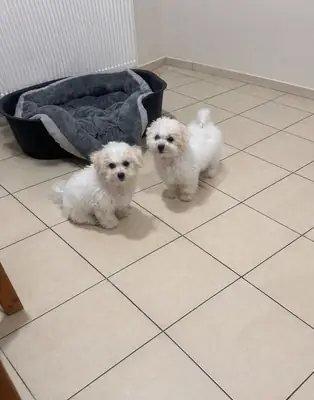
Bichon Frise
Male
Educated
Free Adoption
2 views

Bichon Frise
Male
Educated
Free Adoption
1 views
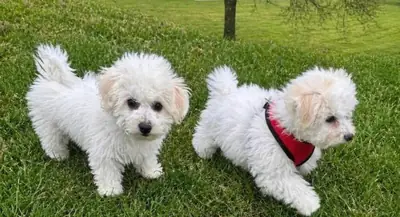
Bichon Frise
Male
Educated
Free Adoption
1 views

Bichon Frise
Male
Not Educated
Free Adoption
1 views

Bichon Frise
Male
Educated
Free Adoption
7 views

Bichon Frise
Male
Educated
Free Adoption
3 views
free Pomeranian adoption listings
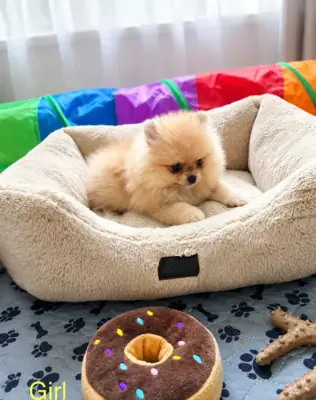
Pomeranian Puppy
Male
Educated
Free Adoption
1 views
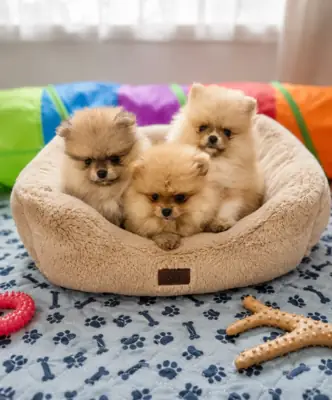
Pomeranian Puppy
Male
Educated
Free Adoption
1 views
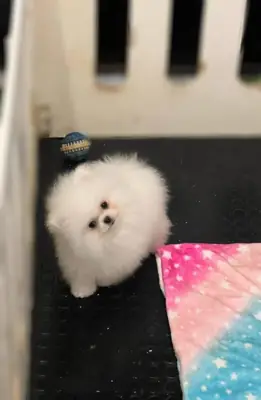
Pomeranian Puppy
Male
Educated
Free Adoption
1 views
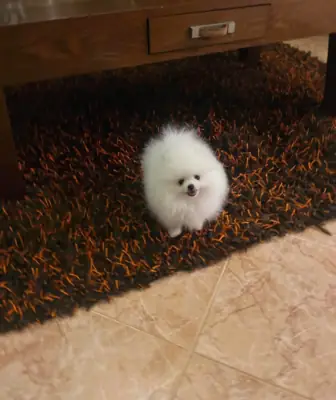
Pomeranian Puppy
Male
Not Educated
Free Adoption
1 views
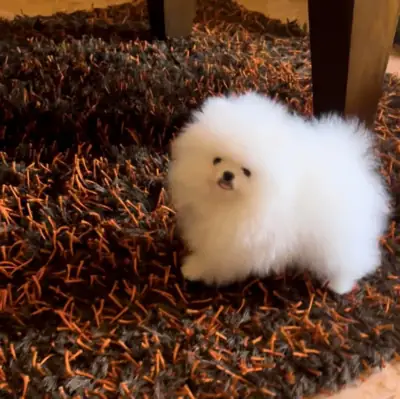
Pomeranian Puppy
Male
Educated
Free Adoption
3 views
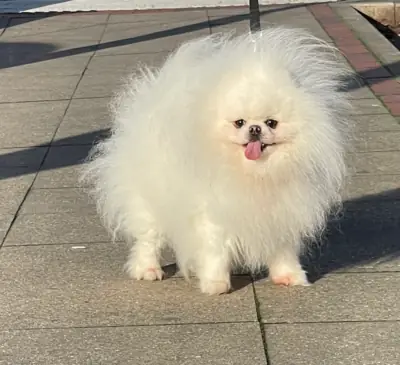
Pomeranian Puppy
Male
Educated
Free Adoption
4 views