vs
Click on the breeds above to change the breed you want to compare.
Compare Birman and Devon Rex side by side: temperament, energy, trainability, apartment fit, shedding, lifespan, weight and free adoption listings.
Breed traits
Character & behavior
Energy level
Playfulness
Intelligence
Trainability
Protectiveness
Sociability
Can stay alone
Lifestyle fit
Apartment-friendly
Yes
Yes
Good with kids
Yes
Yes
Good for first-time owners
Yes
Yes
Shedding
Noise level
Exercise needs
Physical & general
Life span
12–16 years
12–15 years
Weight
4.5–6.5 kg
2.5–4.5 kg
Height
30–35 cm
23–30 cm
Origin
Myanmar
United Kingdom
Grooming effort
Nutrition sensitivity
Health risk
Heat tolerance
Cold tolerance
The Birman and Devon Rex are both affectionate and sociable cat breeds, making them excellent companions for families and first-time owners. The Birman, originating from Myanmar, has a slightly larger size and a longer lifespan range compared to the Devon Rex, which hails from the United Kingdom. While both breeds are apartment-friendly and good with kids, they differ in energy levels and playfulness. The Birman has a moderate energy level and is playful, while the Devon Rex is more energetic and playful, appealing to those looking for a more active pet. Grooming needs also vary, with the Devon Rex requiring less grooming. Both breeds have similar sociability, making them easy to integrate into family life.
Birman — Advantages
- Longer lifespan range (12-16 years)
- Larger size (4.5-6.5 kg)
- Moderate energy level, suitable for relaxed households
- Good with kids and first-time owners
- Lower noise level (2)
- Moderate shedding level (2)
- Larger size (4.5-6.5 kg)
- Moderate energy level, suitable for relaxed households
- Good with kids and first-time owners
- Lower noise level (2)
- Moderate shedding level (2)
Disadvantages
- Slightly higher grooming difficulty (3)
- Moderate playfulness (4) compared to Devon Rex
- Less energetic, may not suit very active households
- Moderate playfulness (4) compared to Devon Rex
- Less energetic, may not suit very active households
Devon Rex — Advantages
- Shorter grooming difficulty (2)
- Higher playfulness (5), ideal for active families
- Slightly lower weight (2.5-4.5 kg)
- More energetic (4), engaging for playtime
- Good with kids and first-time owners
- Higher playfulness (5), ideal for active families
- Slightly lower weight (2.5-4.5 kg)
- More energetic (4), engaging for playtime
- Good with kids and first-time owners
Disadvantages
- Shorter lifespan range (12-15 years)
- Slightly higher noise level (3)
- May require more attention due to higher energy
- Slightly higher noise level (3)
- May require more attention due to higher energy
Frequently Asked Questions
Which breed is better for families with young children?
Both breeds are good with kids, but the Devon Rex may be slightly more playful and energetic.
How do the grooming needs compare between the two breeds?
The Birman has a higher grooming difficulty (3) compared to the Devon Rex (2), making the Devon Rex easier to maintain.
Are both breeds suitable for first-time cat owners?
Yes, both the Birman and Devon Rex are good choices for first-time owners.
What is the average lifespan of each breed?
The Birman has a lifespan of 12-16 years, while the Devon Rex lives for about 12-15 years.
How do their energy levels compare?
The Birman has a moderate energy level (3), while the Devon Rex is more energetic (4), making it more suitable for active households.
free Birman adoption listings
Birman kittens available
Male
Not Educated
Free Adoption
23 views

Birman kittens
Male
Not Educated
Free Adoption
700 views
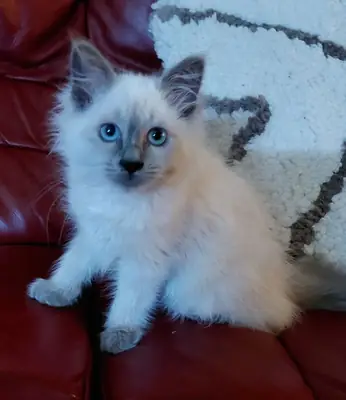
stunning Birman kittens
Male
Not Educated
Free Adoption
578 views

Birman Kitten Available.whatsapp us for details:***
Male
Not Educated
Free Adoption
863 views
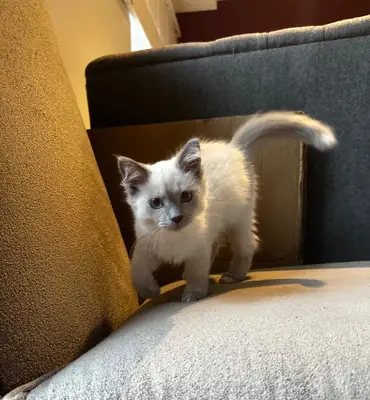
Birman kittens
Male
Not Educated
Free Adoption
849 views
Birman kitten
Male
Not Educated
Free Adoption
1078 views
free Devon Rex adoption listings
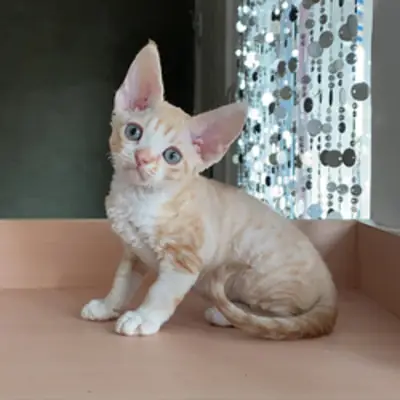
Gatos de raza Devon Rex
Male
Educated
Free Adoption
404 views
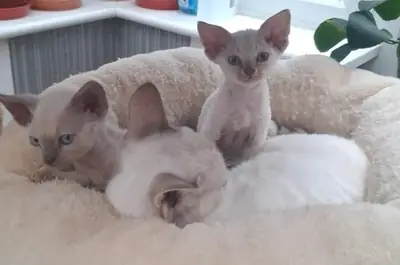
Adorable Purebred Devon Rex Kittens Looking for Loving Homes!
Male
Educated
Free Adoption
499 views
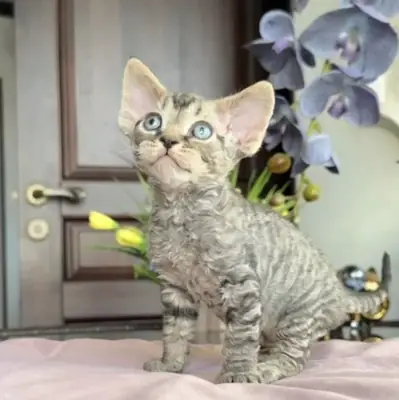
Devon Rex kittens
Male
Not Educated
Free Adoption
671 views
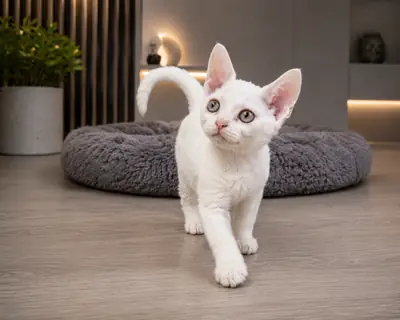
Devon Rex kittens
Male
Not Educated
Free Adoption
717 views

Devon Rex kittens
Male
Not Educated
Free Adoption
750 views
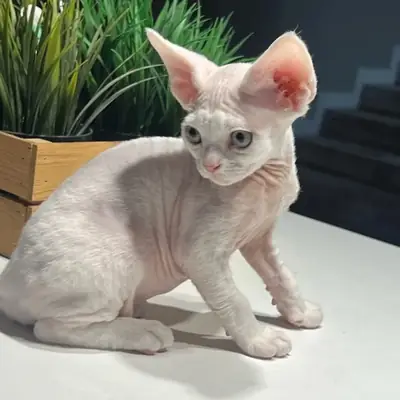
stunning Devon Rex kittten
Male
Not Educated
Free Adoption
834 views