vs
Click on the breeds above to change the breed you want to compare.
Compare Bloodhound and Australian Shepherd side by side: temperament, energy, trainability, apartment fit, shedding, lifespan, weight and free adoption listings.
Breed traits
Character & behavior
Energy level
Playfulness
Intelligence
Trainability
Protectiveness
Sociability
Can stay alone
Lifestyle fit
Apartment-friendly
No
No
Good with kids
Yes
Yes
Good for first-time owners
No
No
Shedding
Noise level
Exercise needs
Physical & general
Life span
10–12 years
12–15 years
Weight
36–50 kg
16–32 kg
Height
58–69 cm
46–58 cm
Origin
Belgium
United States
Grooming effort
Nutrition sensitivity
Health risk
Heat tolerance
Cold tolerance
The Australian Shepherd and Bloodhound are two distinct breeds with unique characteristics and needs. The Australian Shepherd, originating from the United States, is known for its high energy and intelligence, making it an excellent choice for active families and individuals who enjoy training and engaging with their pets. In contrast, the Bloodhound, hailing from Belgium, is renowned for its tracking abilities and gentle nature. While both breeds are sociable and good with children, their exercise needs, trainability, and lifespan vary significantly. Understanding these differences can help potential owners choose the breed that best fits their lifestyle.
Bloodhound — Advantages
- Gentle and friendly nature, good with kids.
- Lower exercise needs compared to the Australian Shepherd.
- Easier grooming requirements, making maintenance simpler.
- Good sociability, making them pleasant companions.
- Can adapt to various living situations despite not being apartment-friendly.
- Lower exercise needs compared to the Australian Shepherd.
- Easier grooming requirements, making maintenance simpler.
- Good sociability, making them pleasant companions.
- Can adapt to various living situations despite not being apartment-friendly.
Disadvantages
- Lower energy level may not suit active families.
- Less trainable and intelligent compared to the Australian Shepherd.
- Shorter lifespan, averaging 10-12 years.
- Moderate health risks compared to the Australian Shepherd.
- Less trainable and intelligent compared to the Australian Shepherd.
- Shorter lifespan, averaging 10-12 years.
- Moderate health risks compared to the Australian Shepherd.
Australian Shepherd — Advantages
- High energy level suitable for active lifestyles.
- Excellent trainability and intelligence, making them easy to teach.
- Good with children, making them a family-friendly option.
- Adaptable to various outdoor activities and exercises.
- Moderate shedding level, manageable grooming needs.
- Excellent trainability and intelligence, making them easy to teach.
- Good with children, making them a family-friendly option.
- Adaptable to various outdoor activities and exercises.
- Moderate shedding level, manageable grooming needs.
Disadvantages
- Requires significant exercise to stay happy and healthy.
- Not ideal for first-time dog owners due to their training needs.
- Can struggle with being left alone for long periods.
- Not apartment-friendly due to their energy levels.
- Not ideal for first-time dog owners due to their training needs.
- Can struggle with being left alone for long periods.
- Not apartment-friendly due to their energy levels.
Frequently Asked Questions
Which breed is better for active families?
The Australian Shepherd is better suited for active families due to its high energy and exercise needs.
Are both breeds good with children?
Yes, both the Australian Shepherd and Bloodhound are good with kids.
How do their grooming needs compare?
The Bloodhound has easier grooming requirements compared to the Australian Shepherd.
Which breed is more trainable?
The Australian Shepherd is more trainable and intelligent than the Bloodhound.
What is the average lifespan of each breed?
The Australian Shepherd has a lifespan of 12-15 years, while the Bloodhound averages 10-12 years.
free Bloodhound adoption listings

AKC-registrierte Bloodhound-Welpen
Male
Educated
Free Adoption
282 views

The 154 most love-collecting friend
Bloodhound Adoption | Family-Friendly and Calm Dog
Male
Educated
Free Adoption
1342 views

Large dog, needs space
Male
Not Educated
Free Adoption
671 views
free Australian Shepherd adoption listings

F9 Australia shepherd puppies
Male
Educated
Free Adoption
162 views

F1 Australia shepherd puppies
Male
Educated
Free Adoption
173 views

Male and Female Australian Shepherd Puppies for Re-Homing.Text on WhatsApp ..+34 642 12 80 93
Male
Educated
Free Adoption
256 views
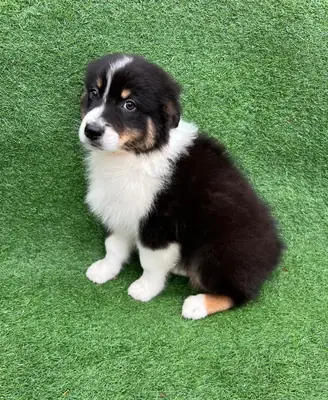
Australian Shepherd Puppies
Male
Educated
Free Adoption
204 views
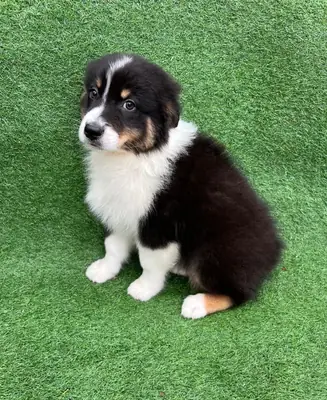
Australian Shepherd Puppies
Male
Educated
Free Adoption
347 views
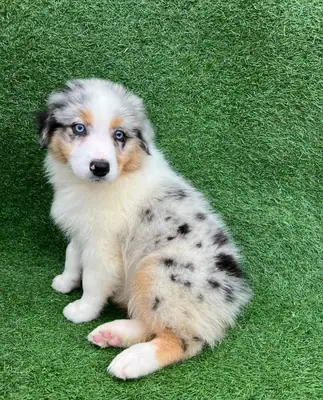
Australian Shepherd Puppies
Male
Educated
Free Adoption
334 views