vs
Click on the breeds above to change the breed you want to compare.
Compare Borzoi and Basenji side by side: temperament, energy, trainability, apartment fit, shedding, lifespan, weight and free adoption listings.
Breed traits
Character & behavior
Energy level
Playfulness
Intelligence
Trainability
Protectiveness
Sociability
Can stay alone
Lifestyle fit
Apartment-friendly
No
Yes
Good with kids
Yes
Yes
Good for first-time owners
No
No
Shedding
Noise level
Exercise needs
Physical & general
Life span
10–12 years
12–16 years
Weight
25–48 kg
9–11 kg
Height
68–85 cm
40–43 cm
Origin
Russia
Congo
Grooming effort
Nutrition sensitivity
Health risk
Heat tolerance
Cold tolerance
The Borzoi and Basenji are two distinct dog breeds that cater to different lifestyles and preferences. The Borzoi, originating from Russia, is a larger breed known for its grace and elegance, while the Basenji hails from Congo and is much smaller, often referred to as the 'barkless dog' due to its unique vocalizations. Both breeds exhibit high levels of intelligence and sociability, making them great companions. However, their energy levels, living requirements, and adaptability to different environments vary significantly. Prospective owners should consider these factors when choosing between the two breeds.
Borzoi — Advantages
Elegant and graceful appearance.
Good with kids, making them family-friendly.
High intelligence level, which can facilitate training.
Cold climate tolerance, suitable for cooler environments.
Moderate exercise needs, manageable for active owners.
Good with kids, making them family-friendly.
High intelligence level, which can facilitate training.
Cold climate tolerance, suitable for cooler environments.
Moderate exercise needs, manageable for active owners.
Disadvantages
Not apartment-friendly due to size and exercise requirements.
Can be less protective compared to other breeds.
Requires a more experienced owner for effective training.
Higher exercise needs compared to Basenji.
Can be less protective compared to other breeds.
Requires a more experienced owner for effective training.
Higher exercise needs compared to Basenji.
Basenji — Advantages
Apartment-friendly, suitable for smaller living spaces.
Can stay alone for longer periods, ideal for busy owners.
Good with kids, making them family-friendly.
Higher energy level, great for active lifestyles.
Good climate tolerance in hot weather.
Can stay alone for longer periods, ideal for busy owners.
Good with kids, making them family-friendly.
Higher energy level, great for active lifestyles.
Good climate tolerance in hot weather.
Disadvantages
Smaller size may not appeal to those preferring larger dogs.
Less trainable compared to Borzoi, requiring patience.
Moderate noise level, which may not be suitable for all environments.
Higher exercise needs that may require more commitment.
Less trainable compared to Borzoi, requiring patience.
Moderate noise level, which may not be suitable for all environments.
Higher exercise needs that may require more commitment.
Frequently Asked Questions
Which breed is better for families with children?
Both Borzoi and Basenji are good with kids, making either breed suitable for families.
Can these breeds adapt to apartment living?
The Basenji is apartment-friendly, while the Borzoi is not recommended for apartment living due to its size and exercise needs.
How much exercise do these breeds need?
Both breeds have high exercise needs, but the Borzoi requires more space to run compared to the Basenji.
Are either of these breeds good for first-time dog owners?
Neither breed is recommended for first-time owners, as both require experienced handling.
How do these breeds tolerate different climates?
The Borzoi has a high tolerance for cold climates, while the Basenji is better suited for hot weather.
free Borzoi adoption listings

Chorkie Pups For Sale
Male
Educated
Free Adoption
912 views

Last Two Adorable F3 Cockapoos Pra Pfk Fn Clear
Male
Educated
Free Adoption
732 views

Gorgeous Dogue De Bordeaux Puppies
Male
Educated
Free Adoption
559 views

Miniature F1 Labradoodle Puppies Health Tested
Male
Educated
Free Adoption
686 views
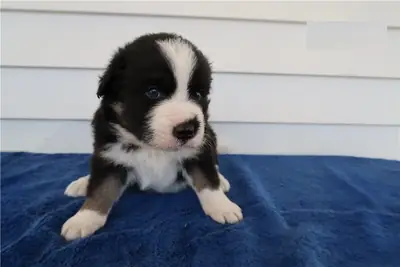
Australian Shepherd For Sale
Male
Educated
Free Adoption
669 views

Gorgeous Dogue De Bordeaux Puppies
Male
Educated
Free Adoption
749 views
free Basenji adoption listings

Kc Registered Labrador Puppies ready
Male
Educated
Free Adoption
868 views
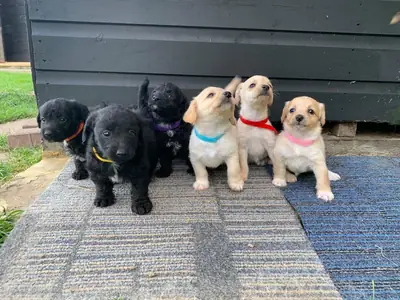
Beautifully jackapoo Puppy ready
Male
Educated
Free Adoption
993 views
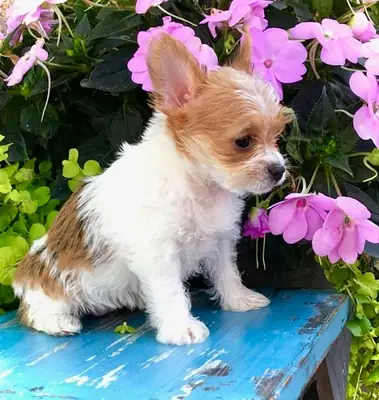
Chorkie Pups For Sale
Male
Educated
Free Adoption
841 views

Last Two Adorable F3 Cockapoos Pra Pfk Fn Clear
Male
Educated
Free Adoption
1375 views
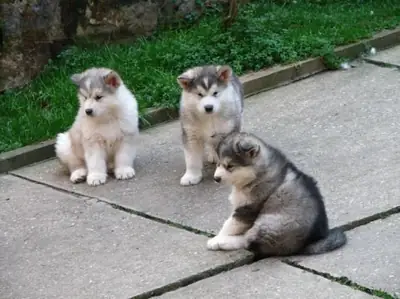
Kennel Club Registerd Alaskan Malamutes puppies for sale
Male
Educated
Free Adoption
813 views
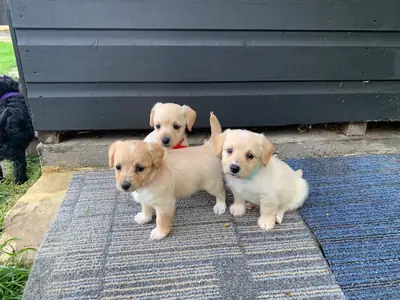
Beautifully jackapoo Puppy ready
Male
Educated
Free Adoption
700 views