vs
Click on the breeds above to change the breed you want to compare.
Compare British Shorthair and Domestic Shorthair side by side: temperament, energy, trainability, apartment fit, shedding, lifespan, weight and free adoption listings.
Breed traits
Character & behavior
Energy level
Playfulness
Intelligence
Trainability
Protectiveness
Sociability
Can stay alone
Lifestyle fit
Apartment-friendly
Yes
Yes
Good with kids
Yes
Yes
Good for first-time owners
Yes
Yes
Shedding
Noise level
Exercise needs
Physical & general
Life span
12–20 years
12–15 years
Weight
4–8 kg
3.5–6.5 kg
Height
30–35 cm
25–30 cm
Origin
England
United States
Grooming effort
Nutrition sensitivity
Health risk
Heat tolerance
Cold tolerance
The British Shorthair and Domestic Shorthair are both popular cat breeds, each with distinct characteristics that appeal to different pet owners. The British Shorthair, originating from England, is known for its sturdy build and calm demeanor, making it a great companion for families and first-time owners. In contrast, the Domestic Shorthair, hailing from the United States, is celebrated for its playful nature and high sociability, which can provide a lively atmosphere in a home. While both breeds can adapt well to apartment living and are generally good with children, they differ in their energy levels, playfulness, and social needs. This comparison will help potential owners decide which breed aligns best with their lifestyle and preferences.
British Shorthair — Advantages
Longer lifespan potential (12-20 years)
Calm and easygoing temperament
Can stay alone for longer periods
Good with kids and first-time owners
Higher cold climate tolerance
Calm and easygoing temperament
Can stay alone for longer periods
Good with kids and first-time owners
Higher cold climate tolerance
Disadvantages
Moderate energy level may require some engagement
Not as playful as Domestic Shorthair
Sociability is lower compared to Domestic Shorthair
Not as playful as Domestic Shorthair
Sociability is lower compared to Domestic Shorthair
Domestic Shorthair — Advantages
Shorter lifespan (12-15 years) but still healthy
Higher playfulness, great for active families
Very sociable, enjoys interaction with people
Good with kids and first-time owners
Adaptable to different living situations
Higher playfulness, great for active families
Very sociable, enjoys interaction with people
Good with kids and first-time owners
Adaptable to different living situations
Disadvantages
Can stay alone for shorter periods
Moderate exercise needs may require more attention
Lower cold climate tolerance compared to British Shorthair
Moderate exercise needs may require more attention
Lower cold climate tolerance compared to British Shorthair
Frequently Asked Questions
Which breed is better for families with children?
Both breeds are good with kids, but the Domestic Shorthair is more sociable and playful.
How do the grooming needs compare?
Both breeds have a similar grooming difficulty, requiring moderate care.
Which breed is more suitable for first-time cat owners?
Both breeds are good for first-time owners, but the British Shorthair's calm demeanor may be more comforting.
How do they handle being left alone?
The British Shorthair can stay alone longer than the Domestic Shorthair.
What are their energy levels like?
Both breeds have moderate energy levels, but the Domestic Shorthair is slightly more playful.
free British Shorthair adoption listings
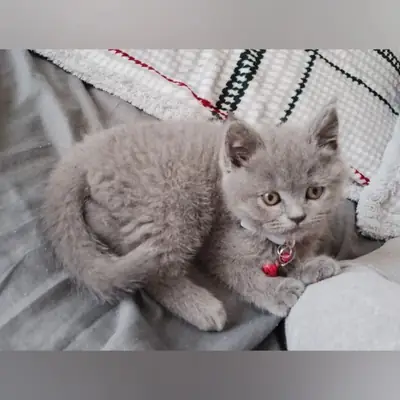
🐱 Britisch-Kurzhaar-Kätzchen suchen verantwortungsvolle und liebevolle Familien!
Male
Educated
Free Adoption
9 views
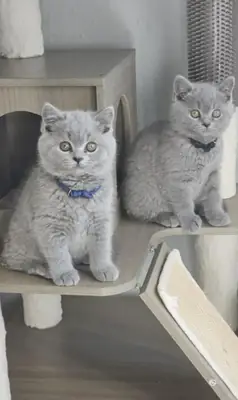
Sweet British Shorthair Kittens Looking for Forever Families
Male
Educated
Free Adoption
46 views
Affectionate male and female British short-haired kitten for adoption
Male
Educated
Free Adoption
100 views
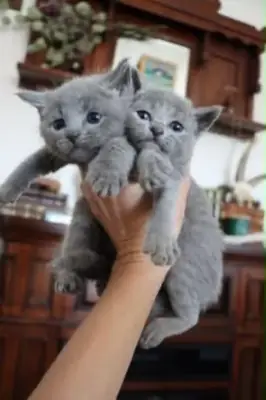
Precious British Shorthair Kittens – Wonderful Family Pets
Male
Educated
Free Adoption
97 views
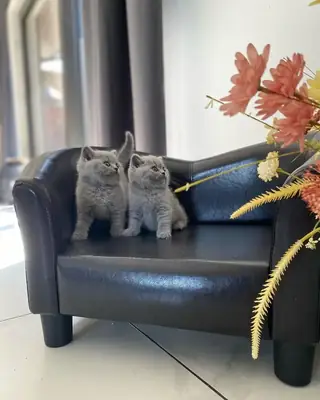
Lovely British Shorthair Kittens Seeking Caring Families
Male
Educated
Free Adoption
107 views
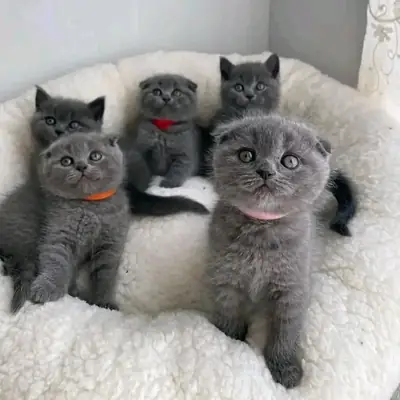
Cute British Shorthair Kittens Ready for Forever Homes
Male
Educated
Free Adoption
73 views
free Domestic Shorthair adoption listings
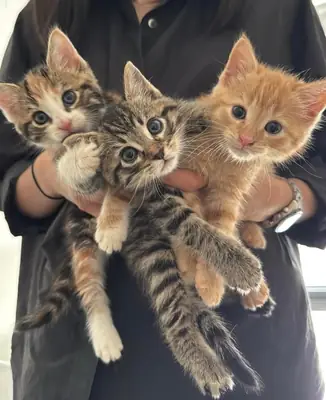
domestic short hair kittens
Male
Educated
Free Adoption
407 views
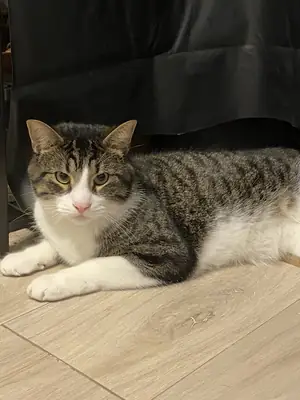
Cute tabby cat available
Male
Not Educated
Free Adoption
758 views
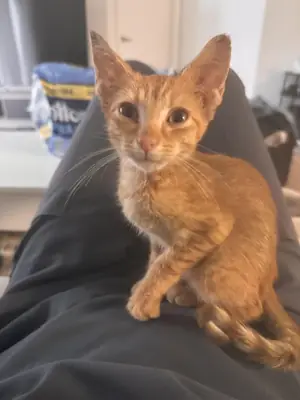
indoor cat, easy to care for
Male
Not Educated
Free Adoption
767 views
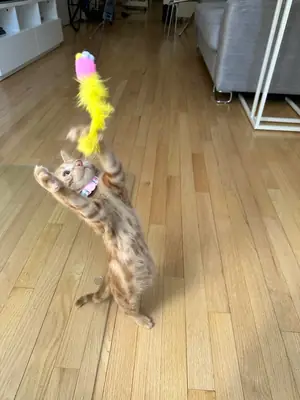
indoor cat, simple rehome
Male
Not Educated
Free Adoption
625 views
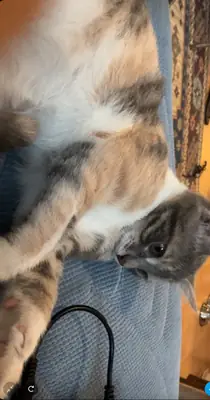
Cute calico cat
Male
Not Educated
Free Adoption
1426 views
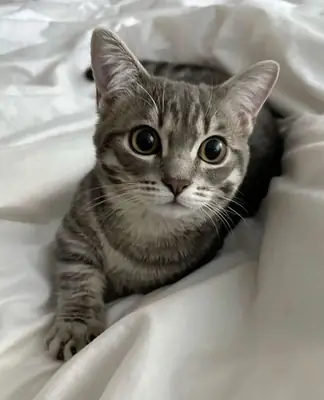
Lovable, feedable pet
Free Adoption – Friendly Tabby Cat
Female
Not Educated
Free Adoption
1453 views