vs
Click on the breeds above to change the breed you want to compare.
Compare British Shorthair and Dwelf side by side: temperament, energy, trainability, apartment fit, shedding, lifespan, weight and free adoption listings.
Breed traits
Character & behavior
Lifestyle fit
Physical & general
British Shorthair — Advantages
- Generally larger size (4.00 to 8.00 kg)
- Good adaptability to cold climates
- Can stay alone for longer periods (4)
- Moderate shedding level (3)
Disadvantages
- Moderate energy and playfulness levels (3)
- Slightly higher noise level (2)
- Requires moderate exercise (2)
Dwelf — Advantages
- Higher playfulness level (4)
- Excellent sociability (5)
- Good trainability (4)
- Lower shedding level (2)
Disadvantages
- Less tolerant to cold climates (2)
- Can stay alone for shorter periods (3)
- Slightly higher exercise needs (3)
Frequently Asked Questions
Which breed is better for families with children?
Both breeds are good with kids, but the Dwelf has a higher sociability score, making it potentially more interactive.
How much grooming do these breeds require?
Both breeds have a grooming difficulty level of 2, indicating they require moderate grooming.
Are these breeds suitable for first-time cat owners?
Yes, both the British Shorthair and Dwelf are good for first-time owners.
What is the average weight of each breed?
The British Shorthair typically weighs between 4.00 to 8.00 kg, while the Dwelf weighs between 2.50 to 4.50 kg.
How do these breeds handle being alone?
The British Shorthair can stay alone for longer periods (4), whereas the Dwelf prefers companionship and can stay alone for shorter periods (3).
free British Shorthair adoption listings
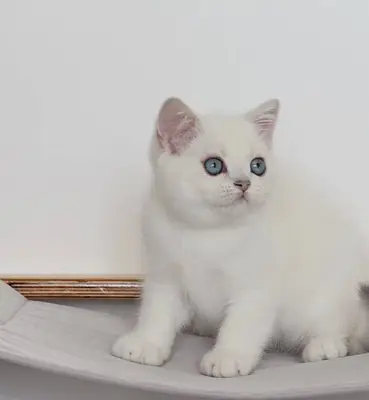
Si existe un interés serio
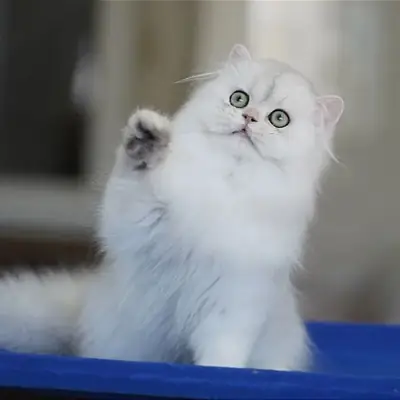
Sus padres son gatos de raza pura (British Shorthair)
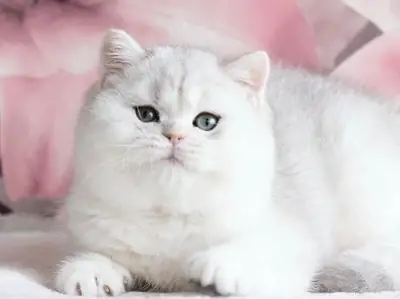
Nuestros gatitos, 3 hembras y 1 macho, presentan los siguientes colores:
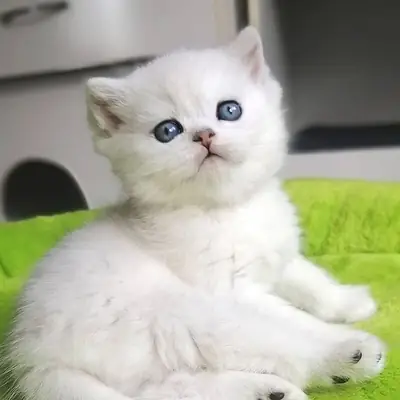
Nuestros adorables ositos British Shorthair tienen actualmente 12 semanas.
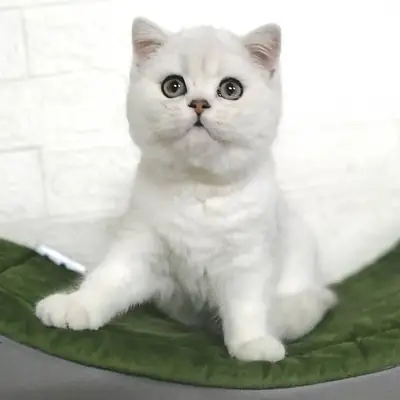
Gatita de raza British Shorthair busca nuevo hogar de inmediato.
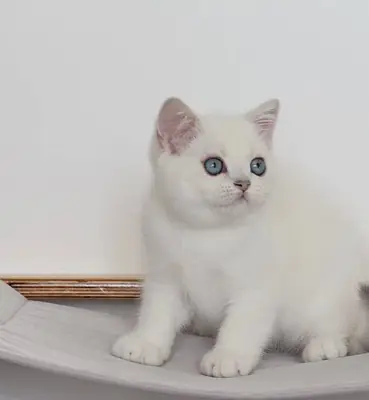
5 de los 7 gatitos aún buscan un hogar :)
free Dwelf adoption listings
No listings for this breed at the moment.