vs
Click on the breeds above to change the breed you want to compare.
Compare Devon Rex and European Shorthair side by side: temperament, energy, trainability, apartment fit, shedding, lifespan, weight and free adoption listings.
Breed traits
Character & behavior
Energy level
Playfulness
Intelligence
Trainability
Protectiveness
Sociability
Can stay alone
Lifestyle fit
Apartment-friendly
Yes
Yes
Good with kids
Yes
Yes
Good for first-time owners
Yes
Yes
Shedding
Noise level
Exercise needs
Physical & general
Life span
12–15 years
12–15 years
Weight
2.5–4.5 kg
3.5–6.5 kg
Height
23–30 cm
30–35 cm
Origin
United Kingdom
Europe
Grooming effort
Nutrition sensitivity
Health risk
Heat tolerance
Cold tolerance
The Devon Rex and European Shorthair are both delightful feline companions, each with unique characteristics that appeal to different types of pet owners. The Devon Rex, originating from the United Kingdom, is known for its playful and sociable nature, making it a great choice for families and first-time owners. With a lifespan of 12 to 15 years, this breed is relatively low-maintenance in grooming and has moderate exercise needs. In contrast, the European Shorthair, hailing from Europe, offers a slightly larger size and a calm demeanor, also making it suitable for families and novice pet owners. While both breeds are apartment-friendly and good with children, their energy levels and sociability differ, which may influence your decision based on your lifestyle and preferences.
Devon Rex — Advantages
- High playfulness (5)
- Very sociable (5)
- Good for first-time owners
- Moderate grooming difficulty (2)
- Relatively low shedding level (2)
- Very sociable (5)
- Good for first-time owners
- Moderate grooming difficulty (2)
- Relatively low shedding level (2)
Disadvantages
- Higher energy level (4) may require more engagement
- Moderate noise level (3) could be a consideration in quiet settings
- Can stay alone (3) but may prefer companionship
- Moderate noise level (3) could be a consideration in quiet settings
- Can stay alone (3) but may prefer companionship
European Shorthair — Advantages
- Good with kids and first-time owners
- Lower energy level (3) may suit more relaxed households
- Lower noise level (2) is ideal for quieter environments
- Slightly less shedding (3) compared to Devon Rex
- Lower energy level (3) may suit more relaxed households
- Lower noise level (2) is ideal for quieter environments
- Slightly less shedding (3) compared to Devon Rex
Disadvantages
- Slightly larger size may require more space
- Less playful (4) than Devon Rex, which may not suit all families
- Trainability (3) is lower compared to Devon Rex
- Less playful (4) than Devon Rex, which may not suit all families
- Trainability (3) is lower compared to Devon Rex
Frequently Asked Questions
Which breed is better for families with young children?
Both breeds are good with kids, but the Devon Rex is more playful, which may engage children more actively.
How do the grooming needs compare between the two breeds?
Both breeds have a moderate grooming difficulty, but the Devon Rex has a lower shedding level.
Which breed is more suitable for apartment living?
Both the Devon Rex and European Shorthair are apartment-friendly, but the Devon Rex may require more playtime.
Are either of these breeds prone to health issues?
Both breeds have a moderate health risk, but specific health concerns may vary.
How do their energy levels differ?
The Devon Rex has a higher energy level (4), while the European Shorthair has a moderate energy level (3).
free Devon Rex adoption listings
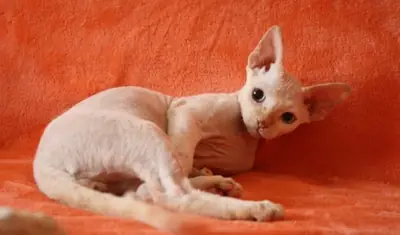
💛 Beautiful Devon Rex Kittens 💛(jessicabaynton2@gmail.com)💛
Male
Not Educated
Free Adoption
316 views
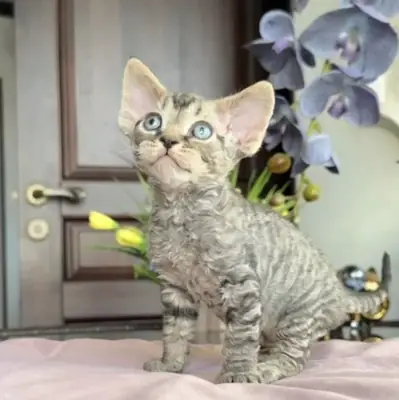
Devon Rex kittens
Male
Not Educated
Free Adoption
424 views
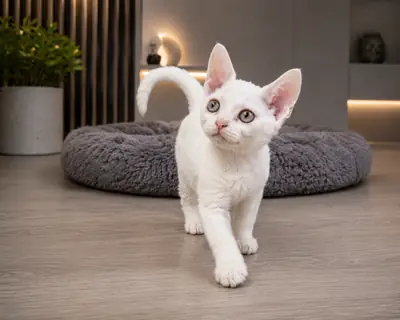
Devon Rex kittens
Male
Not Educated
Free Adoption
460 views

Devon Rex kittens
Male
Not Educated
Free Adoption
496 views
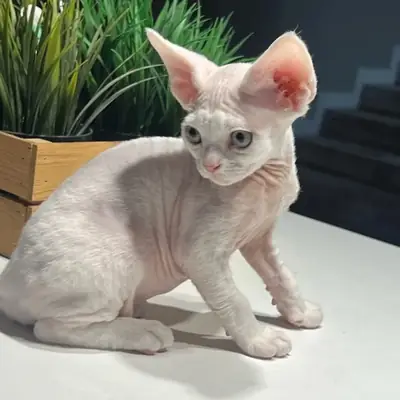
stunning Devon Rex kittten
Male
Not Educated
Free Adoption
591 views

Devon Rex kittens
Male
Not Educated
Free Adoption
708 views
free European Shorthair adoption listings

European Burmese Cat Adoption | Social and Loving Companion
Male
Not Educated
Free Adoption
1361 views
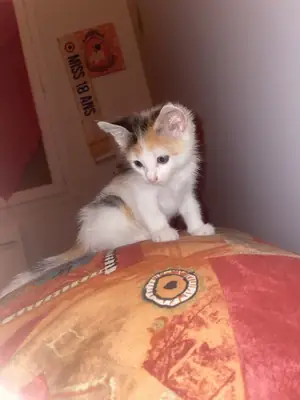
Kitten for adoption
Male
Not Educated
Free Adoption
347 views
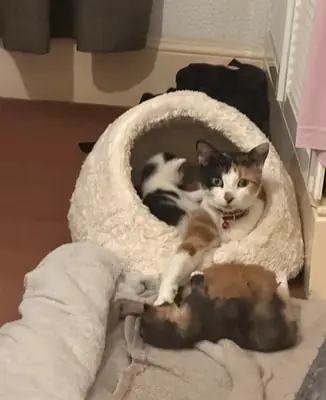
Short-Haired European Kittens
Male
Educated
Free Adoption
389 views
Small female, 4 months old
Male
Not Educated
Free Adoption
794 views
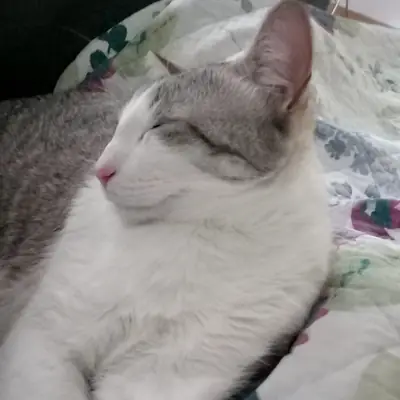
2 YOUNG BROTHERS - STERILIZED AND VACCINATED (2 YEARS OLD)
Male
Not Educated
Free Adoption
748 views

calm European cat, indoor life
Male
Not Educated
Free Adoption
1031 views