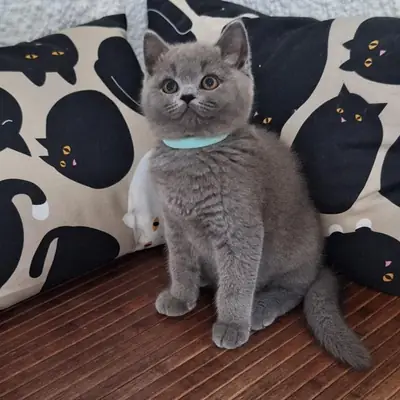
vs
Click on the breeds above to change the breed you want to compare.
Compare Domestic Longhair and British Shorthair side by side: temperament, energy, trainability, apartment fit, shedding, lifespan, weight and free adoption listings.
Breed traits
Character & behavior
Lifestyle fit
Physical & general
Domestic Longhair — Advantages
Good with children and first-time owners
Adaptable to apartment living
Moderate exercise needs
Unique appearance with long fur
Disadvantages
Higher grooming difficulty due to long fur
Higher shedding level
Less tolerant of being alone compared to British Shorthair
British Shorthair — Advantages
Long lifespan of 12 to 20 years
Easier grooming requirements
Higher tolerance for being alone
Good with children and first-time owners
Disadvantages
Average playfulness and energy level
Less sociable compared to Domestic Longhair
Frequently Asked Questions
Which breed is better for families with children?
Both breeds are good with children, but the Domestic Longhair is generally more sociable.
How much grooming do these breeds require?
The British Shorthair requires less grooming compared to the Domestic Longhair, which has higher grooming needs due to its longer fur.
Can these breeds be left alone for long periods?
The British Shorthair can stay alone better than the Domestic Longhair, which prefers more companionship.
What are the differences in lifespan between the two breeds?
The British Shorthair has a lifespan of 12 to 20 years, while the Domestic Longhair typically lives 12 to 15 years.
Are both breeds suitable for first-time cat owners?
Yes, both breeds are suitable for first-time owners, being friendly and adaptable.
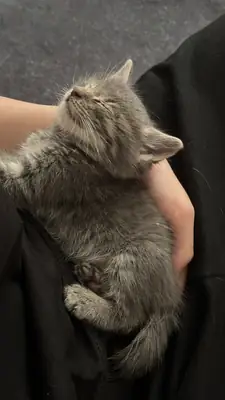
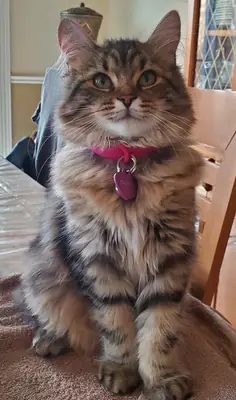
free Domestic Longhair adoption listings
free British Shorthair adoption listings
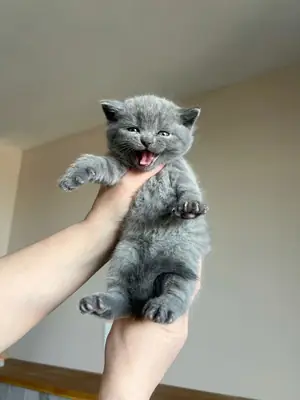
Adorable British Shorthair
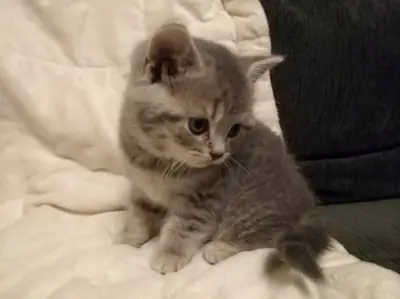
Stunning British Shorthair Kittens – Sweet, Beautiful
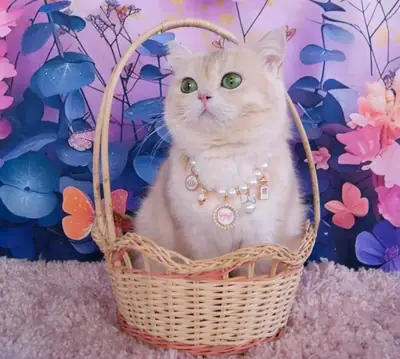
Gatito British Shorthair disponible para adopción
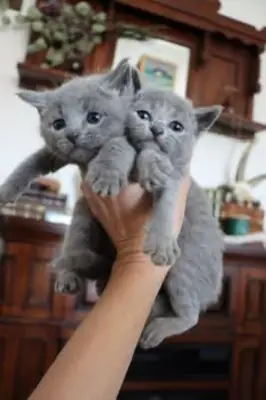
Adorable British Shorthair Puppy

British Shorthair Kittens