vs
Click on the breeds above to change the breed you want to compare.
Compare Domestic Longhair and Mixed Breed side by side: temperament, energy, trainability, apartment fit, shedding, lifespan, weight and free adoption listings.
Breed traits
Character & behavior
Energy level
Playfulness
Intelligence
Trainability
Protectiveness
Sociability
Can stay alone
Lifestyle fit
Apartment-friendly
Yes
Yes
Good with kids
Yes
Yes
Good for first-time owners
Yes
Yes
Shedding
Noise level
Exercise needs
Physical & general
Life span
12–15 years
12–15 years
Weight
3.5–7 kg
3.5–7.5 kg
Height
25–30 cm
20–25 cm
Grooming effort
Nutrition sensitivity
Health risk
Heat tolerance
Cold tolerance
When considering the Domestic Longhair and the Mixed Breed, both cats offer unique characteristics that appeal to different pet owners. Both breeds have similar life spans, ranging from 12 to 15 years, and are suitable for first-time owners. However, their differences in sociability, grooming needs, and noise levels can influence a potential owner's decision. The Domestic Longhair is known for its higher sociability and shedding levels, making it a more interactive companion but requiring more grooming. In contrast, the Mixed Breed has a slightly lower sociability and grooming difficulty, which may appeal to those seeking a less demanding pet. Ultimately, the choice between these two breeds will depend on the owner's lifestyle and preferences.
Domestic Longhair — Advantages
Highly sociable with a score of 5
Good with kids, making it a family-friendly option
Intelligent and playful, providing engaging interaction
Can tolerate cold climates better than Mixed Breed
Apartment-friendly, ideal for small living spaces
Good with kids, making it a family-friendly option
Intelligent and playful, providing engaging interaction
Can tolerate cold climates better than Mixed Breed
Apartment-friendly, ideal for small living spaces
Disadvantages
Requires more grooming due to a higher grooming difficulty score of 4
Slightly higher shedding level, which may require more cleaning
Moderate noise level, which could be a concern in quiet households
Slightly higher shedding level, which may require more cleaning
Moderate noise level, which could be a concern in quiet households
Mixed Breed — Advantages
Lower grooming difficulty, making maintenance easier
Slightly lower shedding level, resulting in less mess
Quieter than Domestic Longhair, suitable for noise-sensitive environments
Good with kids and first-time owners, ensuring a smooth transition for new pet parents
Slightly larger weight range allows for a more robust size option
Slightly lower shedding level, resulting in less mess
Quieter than Domestic Longhair, suitable for noise-sensitive environments
Good with kids and first-time owners, ensuring a smooth transition for new pet parents
Slightly larger weight range allows for a more robust size option
Disadvantages
Less sociable than Domestic Longhair, which may affect companionship
Lower intelligence score, potentially leading to less interactive play
Climate tolerance for cold is not as strong as Domestic Longhair
Lower intelligence score, potentially leading to less interactive play
Climate tolerance for cold is not as strong as Domestic Longhair
Frequently Asked Questions
Which breed is better for families with children?
Both breeds are good with kids, but Domestic Longhair may be more sociable.
How much grooming do these breeds require?
Domestic Longhair requires more grooming due to its longer fur, while Mixed Breed has a lower grooming difficulty.
Are these breeds suitable for apartment living?
Yes, both breeds are apartment-friendly.
Which breed has a longer lifespan?
Both breeds have a similar lifespan of 12 to 15 years.
How do they differ in noise levels?
Mixed Breed is generally quieter than Domestic Longhair.
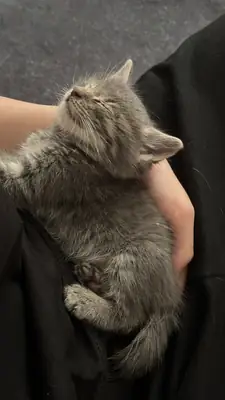
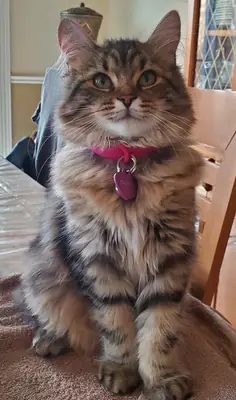
free Domestic Longhair adoption listings
free Mixed Breed adoption listings

Pure white, gentle as cotton
Male
Educated
Free Adoption
21 views
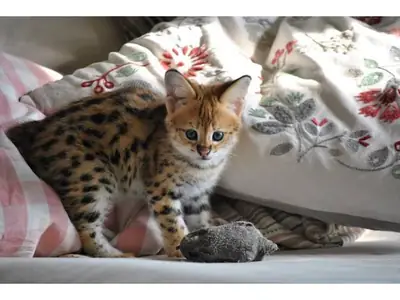
Savannah Kittens Available
Male
Educated
Free Adoption
94 views
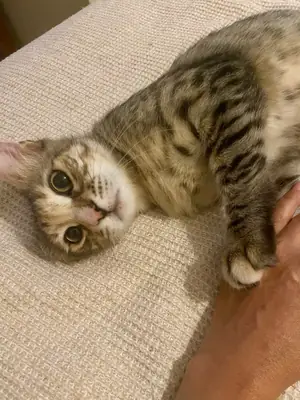
Lovable, feedable pet
FOREVER HOME FOR A SPAYED FEMALE HOUSE CAT.
Male
Educated
Free Adoption
690 views
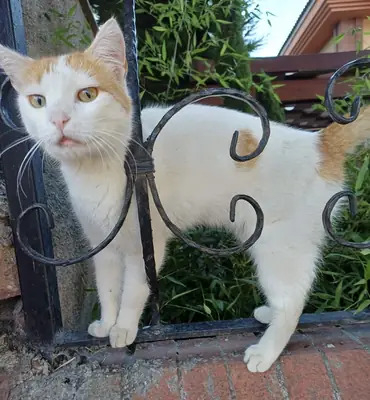
Handsome is looking for a home.
Male
Not Educated
Free Adoption
553 views
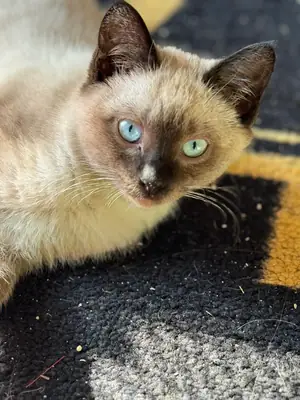
Indoor cat, used to it, not urgent but looking for a serious family
Male
Not Educated
Free Adoption
587 views
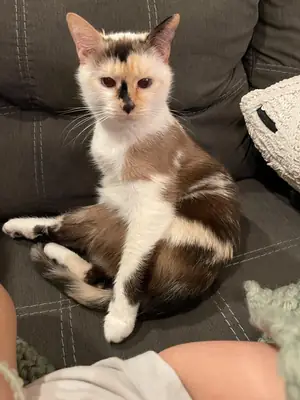
Cat in the house, urgent situation
Male
Not Educated
Free Adoption
777 views