vs
Click on the breeds above to change the breed you want to compare.
Compare Domestic Shorthair and European Burmese side by side: temperament, energy, trainability, apartment fit, shedding, lifespan, weight and free adoption listings.
Breed traits
Character & behavior
Energy level
Playfulness
Intelligence
Trainability
Protectiveness
Sociability
Can stay alone
Lifestyle fit
Apartment-friendly
Yes
Yes
Good with kids
Yes
Yes
Good for first-time owners
Yes
Yes
Shedding
Noise level
Exercise needs
Physical & general
Life span
12–15 years
10–15 years
Weight
3.5–6.5 kg
3.5–5.5 kg
Height
25–30 cm
30–40 cm
Origin
United States
Burma
Grooming effort
Nutrition sensitivity
Health risk
Heat tolerance
Cold tolerance
The European Burmese and Domestic Shorthair are both popular cat breeds known for their sociable nature and compatibility with families. The European Burmese, originating from Burma, is recognized for its playful and affectionate demeanor, making it a great companion for first-time cat owners. In contrast, the Domestic Shorthair, hailing from the United States, is also friendly and adaptable, with a slightly longer lifespan and a diverse range of appearances. While both breeds are apartment-friendly and good with children, they exhibit differences in energy levels, trainability, and care requirements that potential owners should consider when choosing between them.
Domestic Shorthair — Advantages
Slightly longer lifespan (12-15 years) compared to European Burmese.
Good adaptability to various environments with moderate energy level (3).
Can stay alone for longer periods (3), suitable for busy owners.
Lower noise level (2), which may be preferable in quiet households.
Lower health risk (2) indicating potentially fewer medical issues.
Good adaptability to various environments with moderate energy level (3).
Can stay alone for longer periods (3), suitable for busy owners.
Lower noise level (2), which may be preferable in quiet households.
Lower health risk (2) indicating potentially fewer medical issues.
Disadvantages
Slightly heavier weight range (3.50-6.50 kg) may not suit all owners.
Lower energy level (3) may be less engaging for active families.
Trainability is lower (3), which might require more patience.
Lower energy level (3) may be less engaging for active families.
Trainability is lower (3), which might require more patience.
European Burmese — Advantages
Higher energy level (4) for active playtime and engagement.
Good sociability (5) makes them excellent companions.
Trainable (4), which is beneficial for first-time owners.
Apartment-friendly, suitable for smaller living spaces.
Lower shedding level (2) for easier grooming.
Good sociability (5) makes them excellent companions.
Trainable (4), which is beneficial for first-time owners.
Apartment-friendly, suitable for smaller living spaces.
Lower shedding level (2) for easier grooming.
Disadvantages
Can be prone to health risks (3), requiring regular veterinary care.
Less tolerant to cold climates (2) compared to Domestic Shorthair.
Can stay alone for only a short time (2), needing companionship.
Less tolerant to cold climates (2) compared to Domestic Shorthair.
Can stay alone for only a short time (2), needing companionship.
Frequently Asked Questions
Which breed is better for families with children?
Both breeds are good with kids, but the European Burmese is known for its playful nature.
How much grooming do these breeds require?
Both breeds have a grooming difficulty of 2, making them relatively easy to care for.
Are these breeds suitable for apartment living?
Yes, both the European Burmese and Domestic Shorthair are apartment-friendly.
How do their lifespans compare?
The Domestic Shorthair has a slightly longer lifespan of 12-15 years compared to the European Burmese's 10-15 years.
What is their sociability like?
Both breeds have high sociability ratings (5), making them friendly companions.
free Domestic Shorthair adoption listings
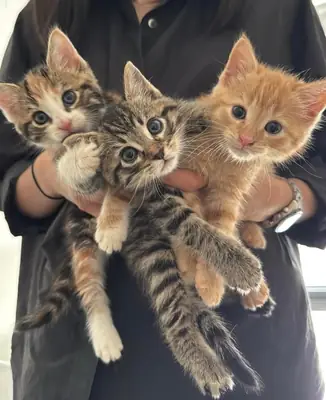
domestic short hair kittens
Male
Educated
Free Adoption
433 views
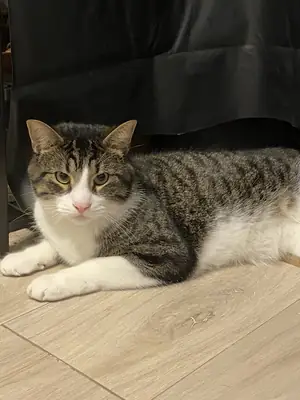
Cute tabby cat available
Male
Not Educated
Free Adoption
767 views
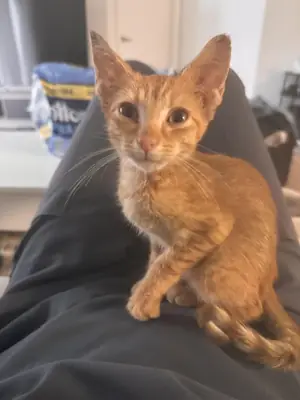
indoor cat, easy to care for
Male
Not Educated
Free Adoption
784 views
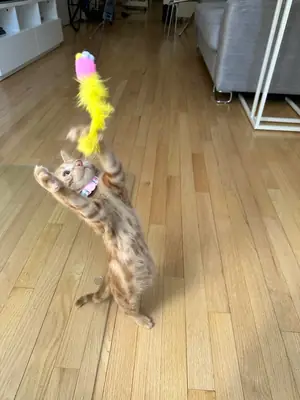
indoor cat, simple rehome
Male
Not Educated
Free Adoption
637 views
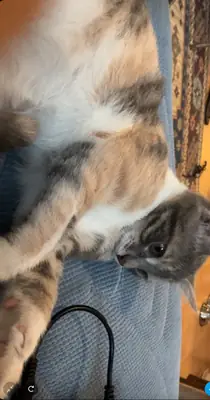
Cute calico cat
Male
Not Educated
Free Adoption
1464 views
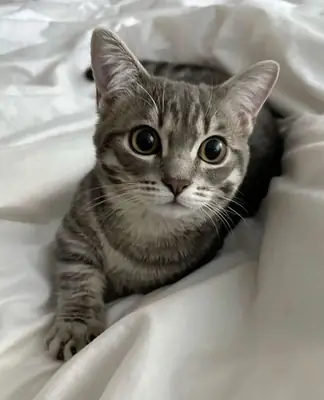
Lovable, feedable pet
Free Adoption – Friendly Tabby Cat
Female
Not Educated
Free Adoption
1474 views
free European Burmese adoption listings
No listings for this breed at the moment.