vs
Click on the breeds above to change the breed you want to compare.
Compare Domestic Shorthair and Raas side by side: temperament, energy, trainability, apartment fit, shedding, lifespan, weight and free adoption listings.
Breed traits
Character & behavior
Energy level
Playfulness
Intelligence
Trainability
Protectiveness
Sociability
Can stay alone
Lifestyle fit
Apartment-friendly
Yes
Yes
Good with kids
Yes
Yes
Good for first-time owners
Yes
Yes
Shedding
Noise level
Exercise needs
Physical & general
Life span
12–15 years
12–15 years
Weight
3.5–6.5 kg
3.5–7.5 kg
Height
25–30 cm
25–30 cm
Origin
United States
India
Grooming effort
Nutrition sensitivity
Health risk
Heat tolerance
Cold tolerance
The Raas and Domestic Shorthair are both popular breeds known for their friendly nature and adaptability. Both breeds share similar lifespans, ranging from 12 to 15 years, and have comparable weight and height ranges. They are both suitable for apartment living and are good with children, making them ideal companions for families. While their energy levels, playfulness, intelligence, and trainability are on par, there are subtle differences in their shedding levels and noise levels. The Raas has a slightly lower shedding level but a higher noise level compared to the Domestic Shorthair. Additionally, the Raas has better climate tolerance for hot weather, while both breeds are equally tolerant of cold climates. Pet owners should consider these factors when choosing between the two breeds, as they can impact the overall experience of pet ownership.
Domestic Shorthair — Advantages
Lower noise level than Raas
Slightly lighter weight range
Good for first-time owners
Sociable and friendly with kids
Adaptable to apartment living
Slightly lighter weight range
Good for first-time owners
Sociable and friendly with kids
Adaptable to apartment living
Disadvantages
Higher shedding level than Raas
Slightly lower climate tolerance for hot weather
Can stay alone for only a moderate duration
Slightly lower climate tolerance for hot weather
Can stay alone for only a moderate duration
Raas — Advantages
Lower shedding level than Domestic Shorthair
Better climate tolerance for hot weather
Good for first-time owners
Sociable and friendly with kids
Adaptable to apartment living
Better climate tolerance for hot weather
Good for first-time owners
Sociable and friendly with kids
Adaptable to apartment living
Disadvantages
Higher noise level compared to Domestic Shorthair
Moderate exercise needs
Can stay alone for only a moderate duration
Moderate exercise needs
Can stay alone for only a moderate duration
Frequently Asked Questions
Which breed is better for families with children?
Both breeds are good with kids, making them suitable for families.
Do either of these breeds have high grooming needs?
Both breeds have moderate grooming difficulty, making them relatively easy to care for.
How do these breeds compare in terms of noise levels?
The Raas has a higher noise level compared to the Domestic Shorthair, which is quieter.
Are these breeds suitable for first-time pet owners?
Yes, both breeds are considered good for first-time owners.
What is the average lifespan of these breeds?
Both breeds have a lifespan ranging from 12 to 15 years.
free Domestic Shorthair adoption listings
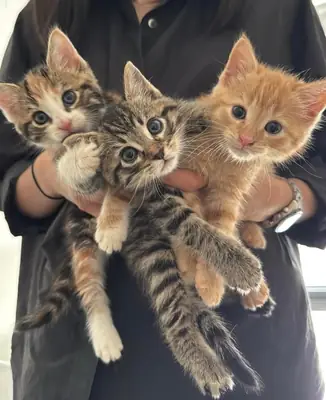
domestic short hair kittens
Male
Educated
Free Adoption
493 views
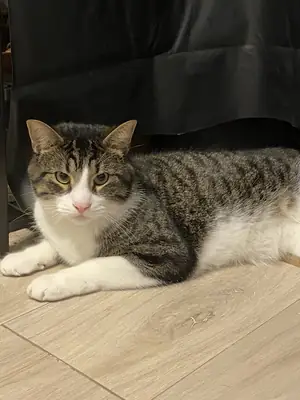
Cute tabby cat available
Male
Not Educated
Free Adoption
804 views
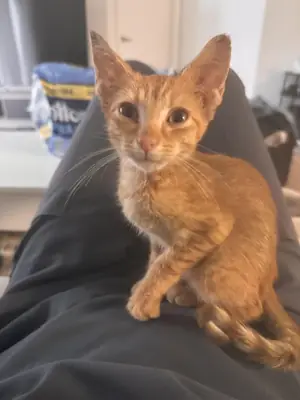
indoor cat, easy to care for
Male
Not Educated
Free Adoption
812 views
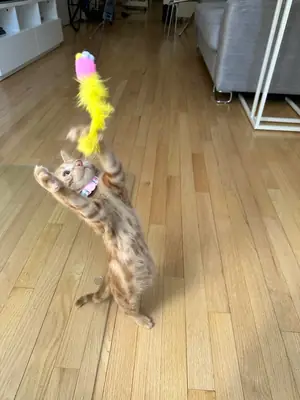
indoor cat, simple rehome
Male
Not Educated
Free Adoption
656 views
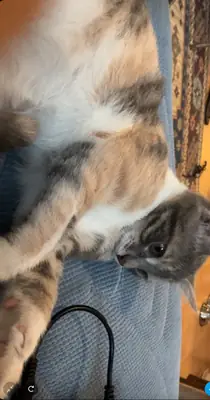
Cute calico cat
Male
Not Educated
Free Adoption
1578 views
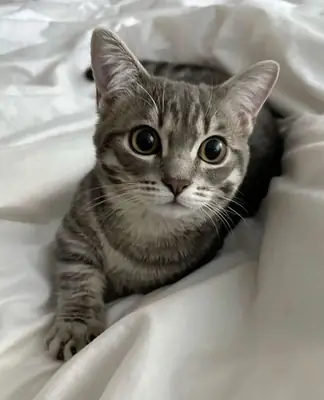
Lovable, feedable pet
Free Adoption – Friendly Tabby Cat
Female
Not Educated
Free Adoption
1540 views
free Raas adoption listings
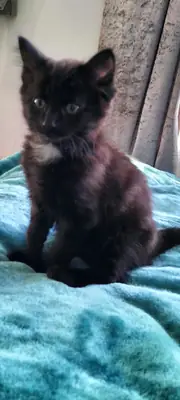
Toybob Kittens (Email (lienlesley@gmail.com)
Male
Educated
Free Adoption
809 views
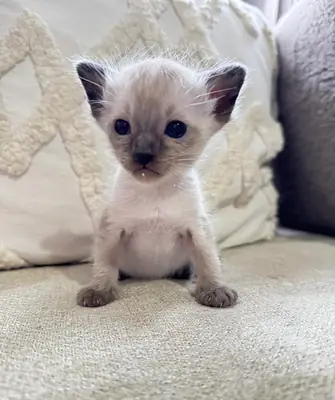
Ragamese Kittens (Email (lienlesley@gmail.com)
Male
Educated
Free Adoption
749 views
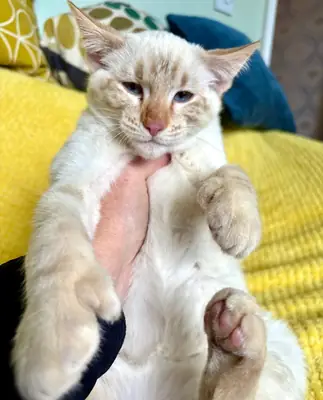
Keetso Kittens (Email (lienlesley@gmail.com)
Male
Educated
Free Adoption
744 views
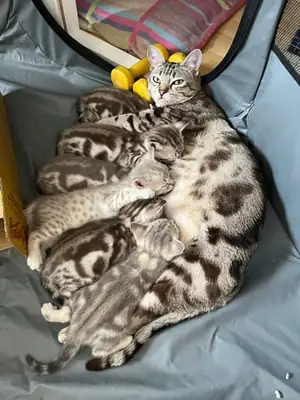
Australian Mist Kittens
Male
Educated
Free Adoption
743 views
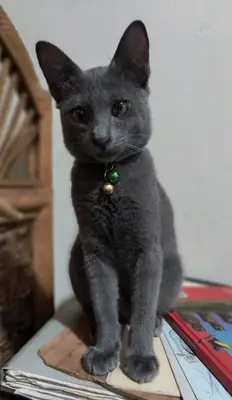
Raas cat for adoption | Natural and robust breed
Male
Not Educated
Free Adoption
1227 views