vs
Click on the breeds above to change the breed you want to compare.
Compare Donggyeongi and Welsh Corgi side by side: temperament, energy, trainability, apartment fit, shedding, lifespan, weight and free adoption listings.
Breed traits
Character & behavior
Energy level
Playfulness
Intelligence
Trainability
Protectiveness
Sociability
Can stay alone
Lifestyle fit
Apartment-friendly
Yes
Yes
Good with kids
Yes
Yes
Good for first-time owners
Yes
Yes
Shedding
Noise level
Exercise needs
Physical & general
Life span
12–15 years
12–15 years
Weight
10–15 kg
10–13 kg
Height
30–40 cm
25–30 cm
Origin
South Korea
Wales
Grooming effort
Nutrition sensitivity
Health risk
Heat tolerance
Cold tolerance
The Welsh Corgi and Donggyeongi are both charming breeds with unique characteristics suited for various lifestyles. The Welsh Corgi, originating from Wales, is known for its high intelligence and sociability, making it an excellent choice for families and first-time owners. With a lifespan of 12 to 15 years, they are relatively healthy and adaptable to apartment living. On the other hand, the Donggyeongi, hailing from South Korea, also enjoys a similar lifespan and is friendly with children. While both breeds are good for first-time owners, the Corgi tends to be more trainable and protective compared to the Donggyeongi. However, the Donggyeongi has a slightly larger weight range and is generally less likely to stay alone for extended periods. Understanding these differences can help potential owners choose the breed that best fits their lifestyle and preferences.
Donggyeongi — Advantages
Good protectiveness (4) makes them reliable companions
Lower exercise need (3) compared to Corgis
Less shedding (2) for easier grooming
Good sociability (4) with children and families
Lower exercise need (3) compared to Corgis
Less shedding (2) for easier grooming
Good sociability (4) with children and families
Disadvantages
Lower intelligence level (3) may lead to more training challenges
Less trainable (3) compared to Welsh Corgis
Can stay alone (2) less effectively, requiring more companionship
Less trainable (3) compared to Welsh Corgis
Can stay alone (2) less effectively, requiring more companionship
Welsh Corgi — Advantages
High intelligence level (5) for easier training
Excellent sociability (5) with people and other pets
Good protectiveness (3) while still being friendly
Adaptable to apartment living
Suitable for families with children
Excellent sociability (5) with people and other pets
Good protectiveness (3) while still being friendly
Adaptable to apartment living
Suitable for families with children
Disadvantages
Moderate energy level (4) requires regular exercise
Can be noisy (3) at times
Moderate shedding level (3) may require grooming
Can be noisy (3) at times
Moderate shedding level (3) may require grooming
Frequently Asked Questions
Which breed is better for families with young children?
Both breeds are good with kids, but the Welsh Corgi has a higher sociability score.
How do their exercise needs compare?
The Welsh Corgi has a higher exercise need (4) compared to the Donggyeongi (3).
Are they suitable for first-time dog owners?
Yes, both breeds are good for first-time owners, but the Corgi is more trainable.
How do they handle being left alone?
The Donggyeongi is less capable of staying alone (2) compared to the Corgi (3).
What are the grooming needs for each breed?
Both breeds have a grooming difficulty of 2, but the Corgi sheds more (3) than the Donggyeongi (2).
free Donggyeongi adoption listings
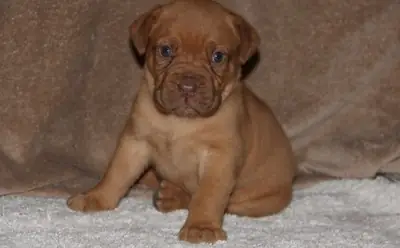
Gorgeous Dogue De Bordeaux Puppies
Male
Educated
Free Adoption
465 views
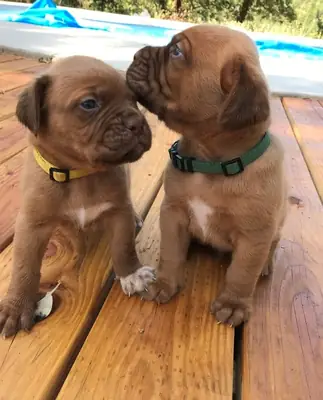
Gorgeous Dogue De Bordeaux Puppies
Male
Educated
Free Adoption
609 views
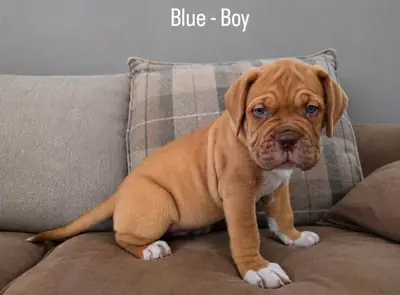
Bordeaux Dog Puppies
Male
Educated
Free Adoption
325 views
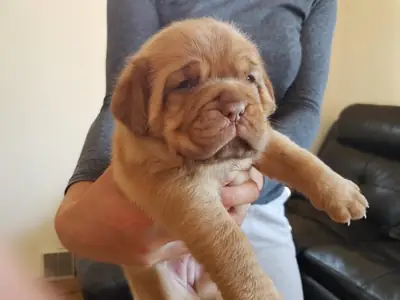
4 precious Bordeaux Mastiff puppies, robust and of excellent pedigree.
Male
Educated
Free Adoption
609 views
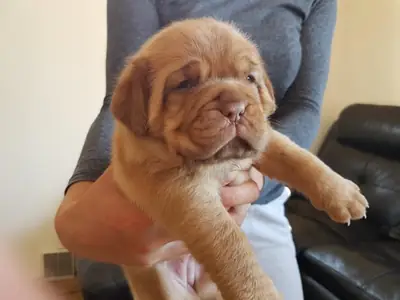
Beautiful Bordeaux Mastiff puppies, males and females
Male
Not Educated
Free Adoption
738 views
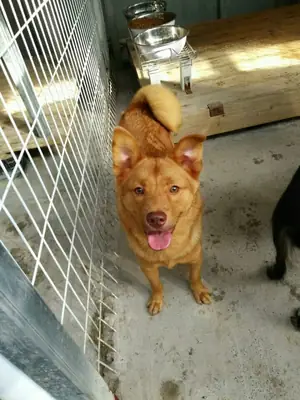
Dongyongi Adoption | Rare Korean Breed
Male
Educated
Free Adoption
1157 views
free Welsh Corgi adoption listings
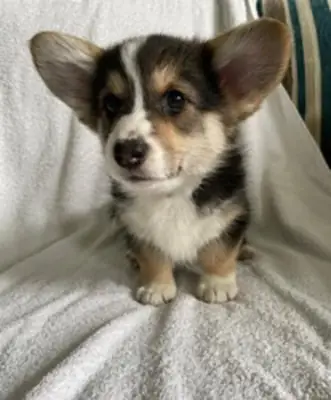
Show Quality Pembroke Welsh Corgi Pups
Male
Educated
Free Adoption
30 views

Beautiful Pembroke wish corgi puppies
Male
Educated
Free Adoption
54 views
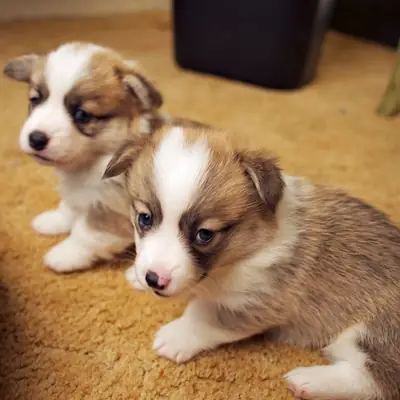
Playful Welsh Corgi Pups
Male
Educated
Free Adoption
270 views
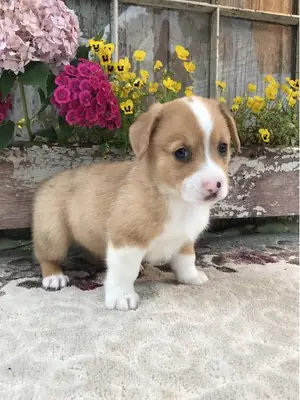
The 363 most love-collecting friend
Kc pembroke corgi puppies: Email (jessicabaynton2@gmail.com)
Male
Not Educated
Free Adoption
325 views
Englische Bulldoggenwelpen
Male
Not Educated
Free Adoption
357 views

Welsh Pembroke Corgi Welpen
Male
Not Educated
Free Adoption
415 views