vs
Click on the breeds above to change the breed you want to compare.
Compare English Mastiff and Havanese side by side: temperament, energy, trainability, apartment fit, shedding, lifespan, weight and free adoption listings.
Breed traits
Character & behavior
Lifestyle fit
Physical & general
English Mastiff — Advantages
Calm and gentle temperament.
Good with kids, especially in a family setting.
Lower grooming needs compared to smaller breeds.
Can tolerate cold climates better than Havanese.
Disadvantages
Higher weight may be challenging for first-time owners to manage.
Lower energy and playfulness may not suit active families.
Higher health risks associated with larger breeds.
Havanese — Advantages
High sociability, great with kids and other pets.
Good for first-time dog owners.
Moderate energy level, manageable exercise needs.
Lower noise level compared to larger breeds.
Disadvantages
Can be prone to separation anxiety if left alone for long periods.
Moderate shedding may be a concern for some owners.
Frequently Asked Questions
Which breed is better for a family with young children?
Both breeds are good with kids, but the Havanese is generally more sociable and adaptable to family life.
How much exercise do these breeds need?
The Havanese has moderate exercise needs, while the English Mastiff requires less exercise due to its lower energy level.
Are these breeds good for first-time dog owners?
The Havanese is suitable for first-time owners, whereas the English Mastiff may not be ideal due to its size and specific care requirements.
What are the grooming needs for each breed?
The Havanese requires regular grooming due to its coat, while the English Mastiff has lower grooming needs.
Can these breeds live in apartments?
The Havanese is apartment-friendly, but the English Mastiff is not due to its large size.
![Preciosa camada de Staffordshire terrier [+34711288878]](https://cdn.petopic.com/pets/mini-pictures/8094/6362/pet-listings-free-adoption-dog-english-mastiff_img_20260721_114100_a6b413.webp)
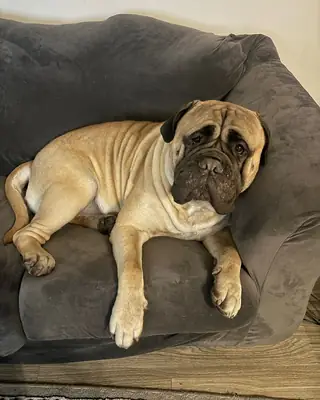
free Havanese adoption listings
English Bull Terrier Puppies One girl one boy remaining ready to go.
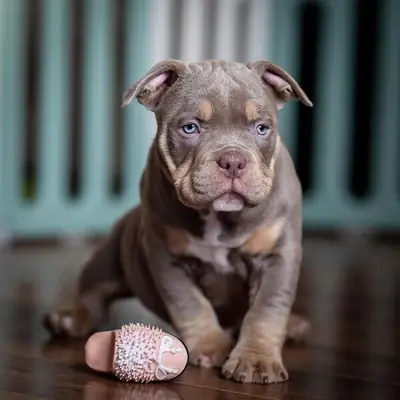
American Pittbull pupies

small dog, needs more time than I have
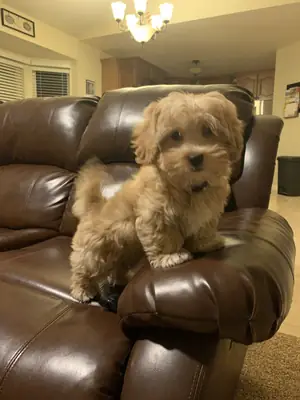
Havana Marasians available for free adoption | Gentle temperament, suitable for families