vs
Click on the breeds above to change the breed you want to compare.
Compare English Setter and Jeju side by side: temperament, energy, trainability, apartment fit, shedding, lifespan, weight and free adoption listings.
Breed traits
Character & behavior
Energy level
Playfulness
Intelligence
Trainability
Protectiveness
Sociability
Can stay alone
Lifestyle fit
Apartment-friendly
No
Yes
Good with kids
Yes
Yes
Good for first-time owners
Yes
Yes
Shedding
Noise level
Exercise needs
Physical & general
Life span
10–14 years
10–15 years
Weight
25–36 kg
10–15 kg
Height
61–69 cm
30–40 cm
Origin
England
South Korea
Grooming effort
Nutrition sensitivity
Health risk
Heat tolerance
Cold tolerance
The English Setter and Jeju are two distinct breeds with unique characteristics that cater to different lifestyles and preferences. The English Setter, originating from England, is a larger breed known for its sociability and high energy levels. With a height range of 61-69 cm and a weight between 25-36 kg, it requires ample exercise and enjoys being active with its family. In contrast, the Jeju, hailing from South Korea, is a smaller breed, standing at 30-40 cm and weighing 10-15 kg. It is more suited for apartment living and has a moderate energy level. Both breeds are good with kids and first-time owners, but they differ significantly in size, exercise needs, and adaptability to living environments. Understanding these differences can help potential owners make an informed decision based on their living situation and lifestyle.
English Setter — Advantages
Larger size makes it a great companion for active families.
High energy level suitable for outdoor activities.
Excellent sociability, making it friendly with other pets and people.
Good trainability, which is beneficial for obedience training.
Adaptable to colder climates.
High energy level suitable for outdoor activities.
Excellent sociability, making it friendly with other pets and people.
Good trainability, which is beneficial for obedience training.
Adaptable to colder climates.
Disadvantages
Requires significant exercise, which may not suit all owners.
Not apartment-friendly due to size and exercise needs.
Moderate grooming difficulty, requiring regular maintenance.
Higher noise level can be a concern in quiet environments.
Not apartment-friendly due to size and exercise needs.
Moderate grooming difficulty, requiring regular maintenance.
Higher noise level can be a concern in quiet environments.
Jeju — Advantages
Smaller size makes it suitable for apartment living.
Lower exercise needs, making it easier to manage in small spaces.
Good with kids and first-time owners, enhancing family compatibility.
Lower grooming difficulty, requiring less maintenance.
Balanced sociability, friendly but not overly demanding.
Lower exercise needs, making it easier to manage in small spaces.
Good with kids and first-time owners, enhancing family compatibility.
Lower grooming difficulty, requiring less maintenance.
Balanced sociability, friendly but not overly demanding.
Disadvantages
Smaller size may not be ideal for active families looking for a larger companion.
Moderate energy level may not satisfy owners seeking a highly active dog.
Less trainable compared to the English Setter, potentially requiring more patience.
Moderate energy level may not satisfy owners seeking a highly active dog.
Less trainable compared to the English Setter, potentially requiring more patience.
Frequently Asked Questions
Which breed is better for apartment living?
The Jeju is better suited for apartment living due to its smaller size and lower exercise needs.
How much exercise do these breeds need?
The English Setter requires more exercise compared to the Jeju, which has moderate exercise needs.
Are both breeds good with children?
Yes, both the English Setter and Jeju are good with children.
Which breed is easier to train?
The English Setter is generally easier to train due to its higher trainability rating.
What are the grooming needs for each breed?
The English Setter has moderate grooming difficulty, while the Jeju has lower grooming needs.
free English Setter adoption listings

....Regalo Cachorros Bichón Maltés Whatsapp (***
Male
Educated
Free Adoption
503 views

.Regalo Cachorros Bichón Maltés Whatsapp (***
Male
Educated
Free Adoption
458 views

English Bulldogs for Rehoming. whatsapp us for details:***
Male
Not Educated
Free Adoption
1080 views

English Setter for Adoption | Active Companion
Female
Educated
Free Adoption
1468 views
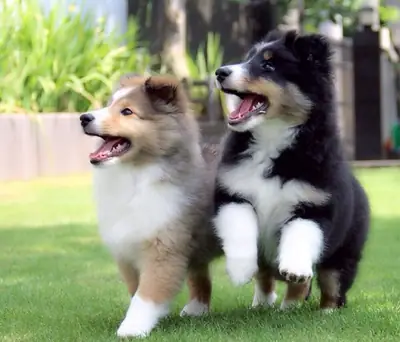
Sweet Sheltie Puppies for Adoption
Male
Educated
Free Adoption
540 views

We've neglected our dog too much, so I'm giving this to him so that this doesn't continue.
Male
Not Educated
Free Adoption
1360 views
free Jeju adoption listings

Beautiful Puggle Puppies
Male
Educated
Free Adoption
612 views

Multi Gen Golden Doodles puppies available
Male
Educated
Free Adoption
721 views

Beautifully jackapoo Puppy ready for their new eternal homes.
Male
Educated
Free Adoption
1042 views

I want to give my jeju dog to someone who can take care of him
Male
Educated
Free Adoption
1619 views

Looking for new owners for marmosets.
Male
Educated
Free Adoption
373 views

Lovable, feedable pet
Jeju Dog Adoption | Loyal and Adaptable
Male
Educated
Free Adoption
2180 views