vs
Click on the breeds above to change the breed you want to compare.
Compare Russian Blue and European Shorthair side by side: temperament, energy, trainability, apartment fit, shedding, lifespan, weight and free adoption listings.
Breed traits
Character & behavior
Energy level
Playfulness
Intelligence
Trainability
Protectiveness
Sociability
Can stay alone
Lifestyle fit
Apartment-friendly
Yes
Yes
Good with kids
Yes
Yes
Good for first-time owners
Yes
Yes
Shedding
Noise level
Exercise needs
Physical & general
Life span
15–20 years
12–15 years
Weight
3.5–5.5 kg
3.5–6.5 kg
Height
30–35 cm
30–35 cm
Origin
Russia
Europe
Grooming effort
Nutrition sensitivity
Health risk
Heat tolerance
Cold tolerance
The Russian Blue and European Shorthair are both charming cat breeds known for their friendly nature and adaptability to various living situations. The Russian Blue, originating from Russia, boasts a longer lifespan of 15 to 20 years, while the European Shorthair has a lifespan of 12 to 15 years. Both breeds share similar height ranges and are well-suited for apartment living. In terms of intelligence, the Russian Blue excels with a higher score, making it easier to train. However, the European Shorthair has a slightly higher weight range, which may appeal to those looking for a sturdier cat. Playfulness and sociability are strong traits in both breeds, making them excellent companions for families, including those with children. Ultimately, the choice between these two breeds may come down to personal preference regarding lifespan, trainability, and physical characteristics.
Russian Blue — Advantages
Longer lifespan of 15-20 years
Higher intelligence (5)
Better trainability (4)
Good balance of energy and playfulness
Lower shedding level (2)
Higher intelligence (5)
Better trainability (4)
Good balance of energy and playfulness
Lower shedding level (2)
Disadvantages
Weight range is slightly lower (3.5-5.5 kg)
Moderate exercise needs (3)
Can be less sociable than European Shorthair
Moderate exercise needs (3)
Can be less sociable than European Shorthair
European Shorthair — Advantages
Slightly higher weight range (3.5-6.5 kg)
Good for first-time owners
Similar energy and playfulness levels
Lower shedding level (3) compared to some breeds
Good for first-time owners
Similar energy and playfulness levels
Lower shedding level (3) compared to some breeds
Disadvantages
Shorter lifespan of 12-15 years
Lower intelligence (4)
Less trainable (3)
Lower intelligence (4)
Less trainable (3)
Frequently Asked Questions
Which breed is better for families with children?
Both breeds are good with kids, making either a suitable choice for families.
How much grooming do these breeds require?
Both breeds have a grooming difficulty of 2, indicating moderate grooming needs.
Are these breeds suitable for apartment living?
Yes, both the Russian Blue and European Shorthair are apartment-friendly.
How do these breeds handle being left alone?
Both breeds can stay alone for moderate periods, rated 3 on the scale.
What are the differences in exercise needs?
Both breeds have similar exercise needs, rated at 3.
free Russian Blue adoption listings
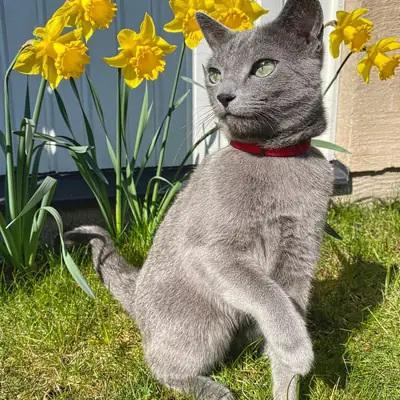
agradable para todos cuando los gatos domésticos pueden jugar juntos
Male
Educated
Free Adoption
22 views
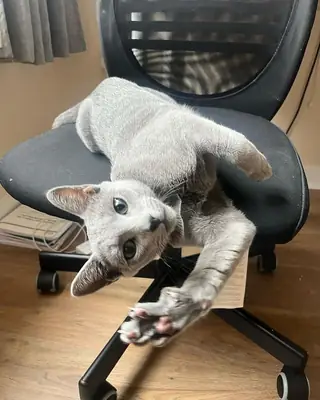
Dado que crecen juntos en nuestra manada, nuestros gatitos deberían
Male
Educated
Free Adoption
16 views
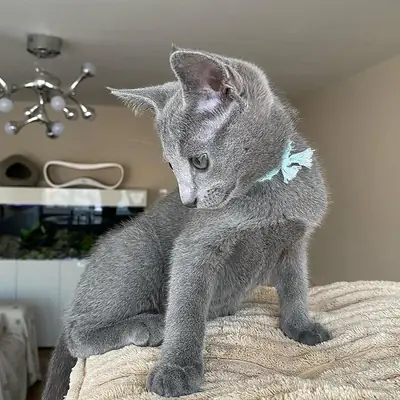
Azul ruso encantador
Male
Educated
Free Adoption
14 views
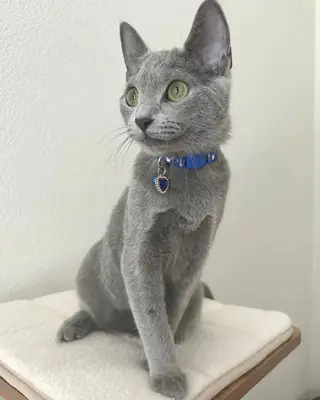
Encantadores gatitos Russian Blue Soul buscan un hogar definitivo.
Male
Educated
Free Adoption
13 views
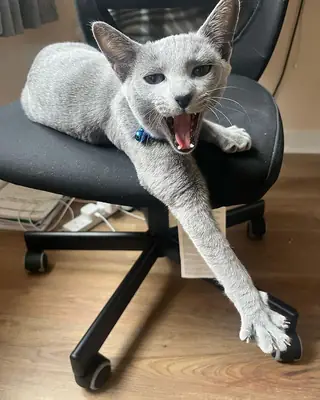
La supuesta hipoalergenicidad
Male
Not Educated
Free Adoption
10 views
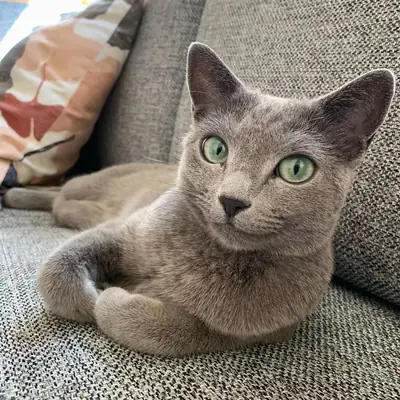
Los gatitos estarán listos para ir a sus nuevos hogares
Male
Not Educated
Free Adoption
7 views
free European Shorthair adoption listings
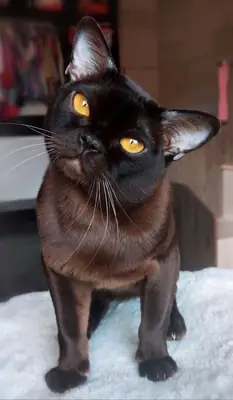
European Burmese Cat Adoption | Social and Loving Companion
Male
Not Educated
Free Adoption
1555 views
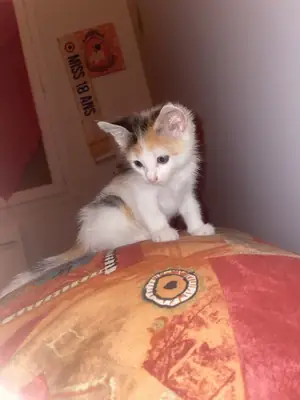
Kitten for adoption
Male
Not Educated
Free Adoption
683 views
Small female, 4 months old
Male
Not Educated
Free Adoption
1008 views
2 YOUNG BROTHERS - STERILIZED AND VACCINATED (2 YEARS OLD)
Male
Not Educated
Free Adoption
949 views

calm European cat, indoor life
Male
Not Educated
Free Adoption
1231 views
European Shorthair cat for adoption | Affectionate but independent | Ideal for a quiet apartment
Male
Not Educated
Free Adoption
1451 views