vs
Click on the breeds above to change the breed you want to compare.
Compare German Shepherd and Pug side by side: temperament, energy, trainability, apartment fit, shedding, lifespan, weight and free adoption listings.
Breed traits
Character & behavior
Energy level
Playfulness
Intelligence
Trainability
Protectiveness
Sociability
Can stay alone
Lifestyle fit
Apartment-friendly
No
Yes
Good with kids
Yes
Yes
Good for first-time owners
No
Yes
Shedding
Noise level
Exercise needs
Physical & general
Life span
10–12 years
12–15 years
Weight
30–50 kg
6.3–9.1 kg
Height
65–75 cm
25–30 cm
Origin
Turkey
China
Grooming effort
Nutrition sensitivity
Health risk
Heat tolerance
Cold tolerance
When comparing the German Shepherd and the Pug, potential pet owners will find distinct differences in size, energy levels, and suitability for various living environments. The German Shepherd is a larger breed, known for its protective nature and high exercise needs, making it ideal for active families or individuals looking for a loyal companion. In contrast, the Pug is a smaller breed that thrives in apartment settings and is generally more suited for first-time dog owners due to its lower exercise requirements and sociable demeanor. Both breeds are good with kids, but their differing energy levels and care needs can significantly impact the decision for prospective owners.
German Shepherd — Advantages
Highly protective and makes a great guard dog.
Good with kids, making them suitable for families.
Intelligent and trainable, excelling in obedience training.
High energy level, great for active owners who enjoy outdoor activities.
Good with kids, making them suitable for families.
Intelligent and trainable, excelling in obedience training.
High energy level, great for active owners who enjoy outdoor activities.
Disadvantages
Requires a lot of exercise, which may not suit all lifestyles.
Not ideal for first-time dog owners due to their training needs.
Not apartment-friendly; needs space to roam.
Can be prone to shedding, which requires regular grooming.
Not ideal for first-time dog owners due to their training needs.
Not apartment-friendly; needs space to roam.
Can be prone to shedding, which requires regular grooming.
Pug — Advantages
Ideal for apartment living due to their small size.
Great for first-time dog owners; easy to manage and train.
Very sociable and friendly, good with children.
Lower exercise needs, making them suitable for less active individuals.
Great for first-time dog owners; easy to manage and train.
Very sociable and friendly, good with children.
Lower exercise needs, making them suitable for less active individuals.
Disadvantages
Less protective compared to German Shepherds.
Can have health risks associated with brachycephalic breeds.
May require more grooming attention due to potential nutrition sensitivity.
Lower energy level may not suit active families looking for a high-energy dog.
Can have health risks associated with brachycephalic breeds.
May require more grooming attention due to potential nutrition sensitivity.
Lower energy level may not suit active families looking for a high-energy dog.
Frequently Asked Questions
Which breed is better for families with young children?
Both breeds are good with kids, but the German Shepherd is more protective, while the Pug is more sociable.
How much exercise do these breeds need?
German Shepherds require a high level of exercise, while Pugs have lower exercise needs.
Are these breeds suitable for first-time dog owners?
The Pug is more suitable for first-time owners, while German Shepherds may require more experience in training.
Can these breeds live in an apartment?
The Pug is apartment-friendly, but the German Shepherd needs more space to thrive.
What are the grooming needs for each breed?
Both breeds have a moderate shedding level, but German Shepherds require more regular grooming due to their exercise needs.
free German Shepherd adoption listings

Cachorros de pastor alemán de pura raza: quedan 2 hembras
Male
Educated
Free Adoption
43 views

2 hermosas hembras de pastor alemán
Male
Educated
Free Adoption
40 views

2 Pastor Alemán
Male
Educated
Free Adoption
31 views

Cachorros de pastor alemán
Male
Educated
Free Adoption
25 views

Preciosa camada de cachorros de pastor alemán
Male
Educated
Free Adoption
46 views
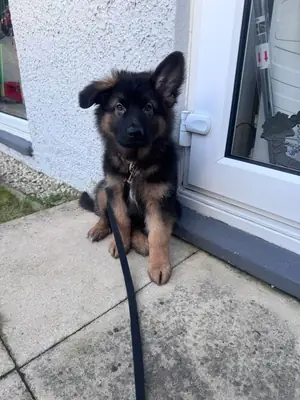
Quality German Shepherd puppies contact (vanessamadoo71 @ gmail .com)
Male
Educated
Free Adoption
46 views
free Pug adoption listings
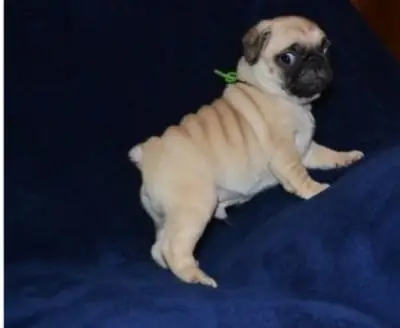
Disponibles cachorros de Pug color cervato (fawn) con máscara negra, machos y hembras****
Male
Educated
Free Adoption
10 views

Beautiful Puggle Puppies
Male
Educated
Free Adoption
72 views

5 Beautifull Pug Puppies Kc Registered
Male
Educated
Free Adoption
62 views

Beautiful Puggle Puppies
Male
Educated
Free Adoption
108 views

5 Beautifull Pug Puppies Kc Registered
Male
Educated
Free Adoption
125 views

5 Beautifull Pug Puppies Kc Registered
Male
Educated
Free Adoption
102 views