vs
Click on the breeds above to change the breed you want to compare.
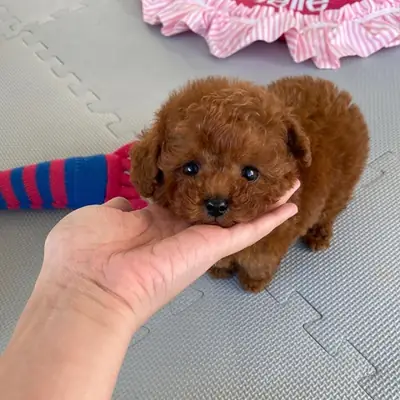
Compare Great Dane and Poodle side by side: temperament, energy, trainability, apartment fit, shedding, lifespan, weight and free adoption listings.
Breed traits
Character & behavior
Lifestyle fit
Physical & general
Great Dane — Advantages
They have a moderate energy level, making them suitable for active families.
Their protective nature provides a sense of security.
Great Danes have a relatively low shedding level, which can be easier for maintenance.
Disadvantages
They are not apartment-friendly due to their large size.
Their trainability can be challenging for first-time dog owners.
Great Danes require regular exercise and can be prone to health risks.
Poodle — Advantages
They have a longer lifespan, providing more years of companionship.
Poodles are adaptable and can live comfortably in apartments.
Their low shedding level makes them a good choice for allergy sufferers.
Disadvantages
They have a higher energy level, needing more exercise and mental stimulation.
While they are sociable, some may be more sensitive to being alone compared to Great Danes.
Frequently Asked Questions
Which breed is better for families with children?
Both breeds are good with kids, but Great Danes are particularly known for their gentle nature around children.
How much exercise do these breeds need?
Great Danes require moderate exercise, while Poodles need more frequent and varied physical activity.
Are Great Danes good for first-time dog owners?
Great Danes may not be the best choice for first-time owners due to their size and training needs.
What are the grooming requirements for Poodles?
Poodles require regular grooming to maintain their coat, which can be more demanding than the grooming needs of Great Danes.
How do these breeds handle being alone?
Poodles can stay alone for longer periods compared to Great Danes, which may experience separation anxiety.
free Great Dane adoption listings

Beautiful Great Dane Puppies
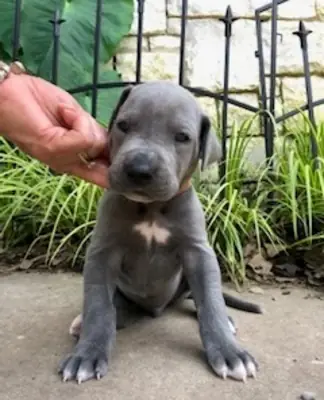
Great Dane Pups Kc Reg Licensed Breeder Ready
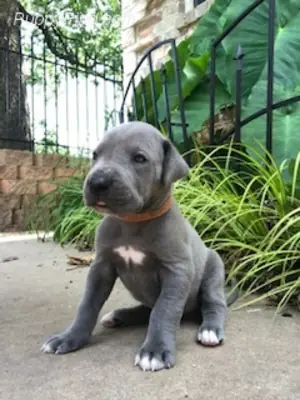
Great Dane Pups Kc Reg Licensed Breeder Ready
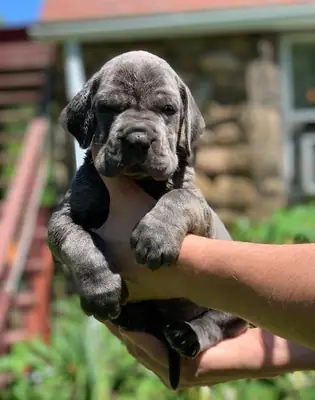
Great Dane Pups Kc Reg Licensed Breeder Ready
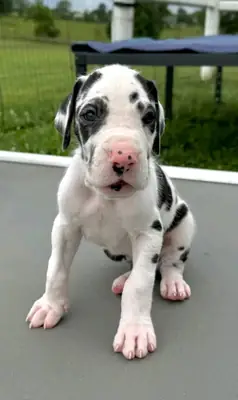
Great Dane Pups Kc Reg Licensed Breeder Ready
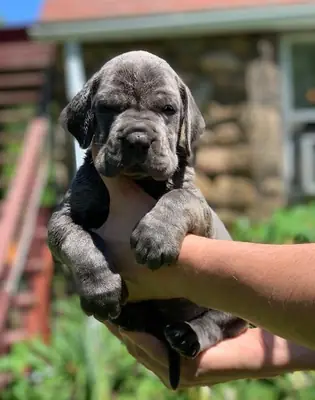
Great Dane Pups Kc Reg Licensed Breeder Ready
free Poodle adoption listings
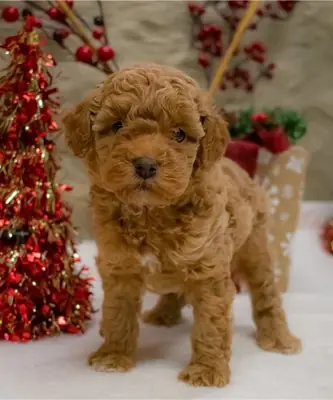
Cachorros de caniche listos ahora
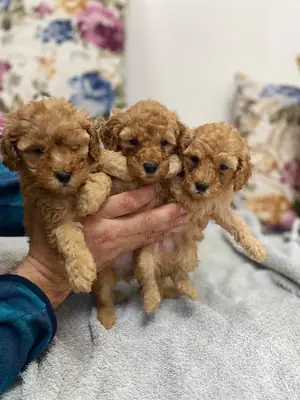
Gift a poodle puppies
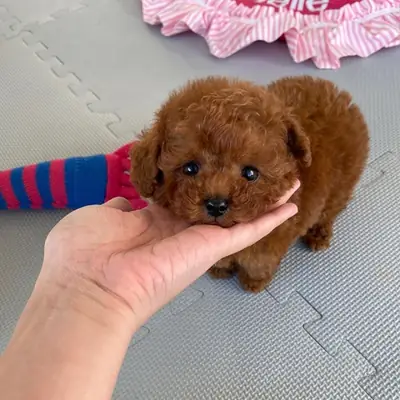
AKC Registered Teacup Poodle Puppies – Looking for Loving Forever Homes
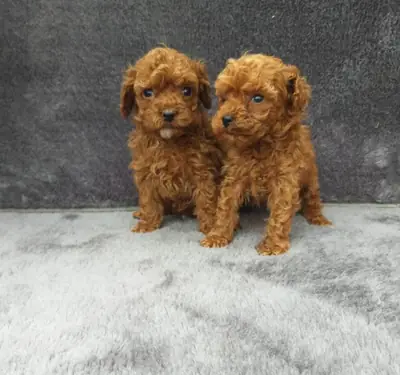
Gift a poodle puppies
Adorable Husky Available Now