vs
Click on the breeds above to change the breed you want to compare.
Compare Himalayan and Sphynx side by side: temperament, energy, trainability, apartment fit, shedding, lifespan, weight and free adoption listings.
Breed traits
Character & behavior
Energy level
Playfulness
Intelligence
Trainability
Protectiveness
Sociability
Can stay alone
Lifestyle fit
Apartment-friendly
Yes
Yes
Good with kids
Yes
Yes
Good for first-time owners
Yes
Yes
Shedding
Noise level
Exercise needs
Physical & general
Life span
9–15 years
12–15 years
Weight
4.5–7.5 kg
3.5–7 kg
Height
25–30 cm
23–30 cm
Origin
United States
Canada
Grooming effort
Nutrition sensitivity
Health risk
Heat tolerance
Cold tolerance
The Himalayan and Sphynx breeds offer unique characteristics that appeal to different pet owners. Both breeds are friendly and sociable, making them great companions for families and first-time owners. The Himalayan, originating from the United States, has a longer lifespan range than the Sphynx, which hails from Canada. While both breeds have similar energy and exercise needs, the Sphynx is known for its low shedding and easier grooming requirements, which may be beneficial for those with allergies or a busy lifestyle. On the other hand, the Himalayan's higher shedding level may require more maintenance but offers a fluffy appearance that many find appealing. Additionally, the Sphynx has a superior climate tolerance for hot weather, whereas the Himalayan is better suited for colder climates. Each breed brings its own set of advantages and disadvantages, making the choice between them dependent on the owner's lifestyle and preferences.
Himalayan — Advantages
Longer lifespan range (9-15 years)
Good for first-time owners
Good with kids
Apartment-friendly
Moderate energy and exercise needs
Good for first-time owners
Good with kids
Apartment-friendly
Moderate energy and exercise needs
Disadvantages
Higher grooming difficulty
Higher shedding level
Lower sociability compared to Sphynx
Less tolerant of hot climates
Higher shedding level
Lower sociability compared to Sphynx
Less tolerant of hot climates
Sphynx — Advantages
Lower shedding level
Easier grooming requirements
Higher sociability
Better climate tolerance for hot weather
Playfulness rating is higher than Himalayan
Easier grooming requirements
Higher sociability
Better climate tolerance for hot weather
Playfulness rating is higher than Himalayan
Disadvantages
Slightly shorter lifespan range (12-15 years)
Potentially more noise (noise level 3)
Similar energy and exercise needs as Himalayan
Potentially more noise (noise level 3)
Similar energy and exercise needs as Himalayan
Frequently Asked Questions
What is the average lifespan of a Himalayan cat?
The average lifespan of a Himalayan cat ranges from 9 to 15 years.
Are Sphynx cats good for families with children?
Yes, Sphynx cats are known to be good with kids.
How much grooming do Himalayans require?
Himalayans have a high grooming difficulty level, requiring regular brushing due to their long fur.
Do Sphynx cats shed fur?
No, Sphynx cats have a low shedding level, making them suitable for allergy sufferers.
Can both breeds adapt to apartment living?
Yes, both Himalayan and Sphynx cats are apartment-friendly.
free Himalayan adoption listings
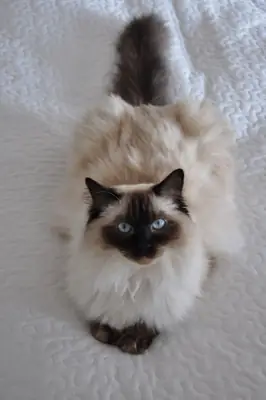
Himalayan Cat Adoption | Calm & Affectionate
Female
Educated
Free Adoption
1538 views
Himalayan Kittens Available
Male
Educated
Free Adoption
327 views
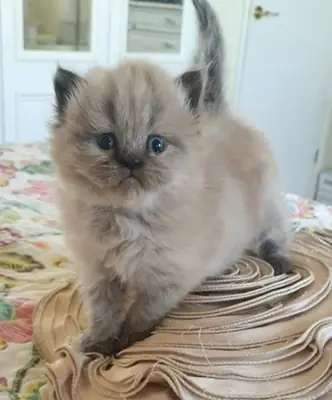
Available Himalayan Kittens
Male
Educated
Free Adoption
491 views
Himalayan Puppies Available
Male
Educated
Free Adoption
471 views
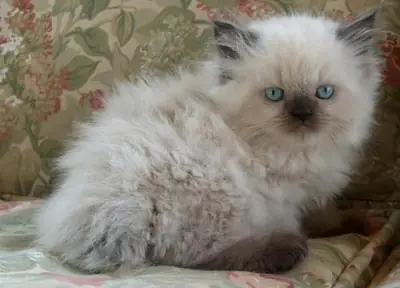
Himalayan Kittens Available
Male
Educated
Free Adoption
617 views
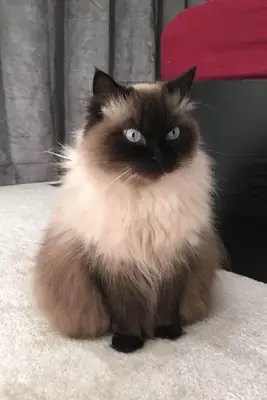
A calm cat, but it's left alone.
Male
Not Educated
Free Adoption
1213 views
free Sphynx adoption listings
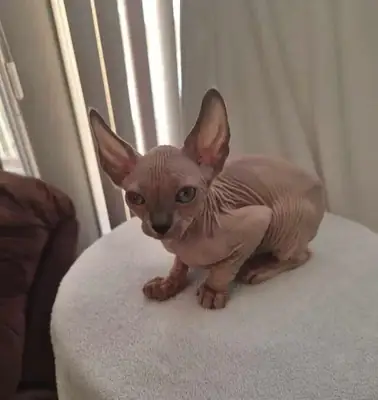
Northern Sphynx-Kätzchen
Male
Educated
Free Adoption
71 views
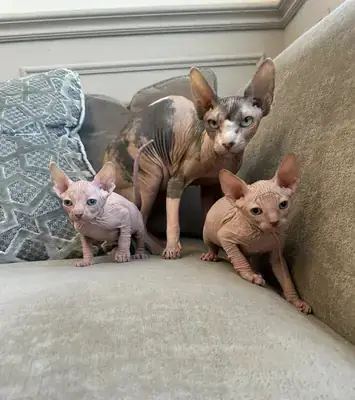
Gatitos Sphynx: solo buscamos buenos hogares
Male
Educated
Free Adoption
87 views
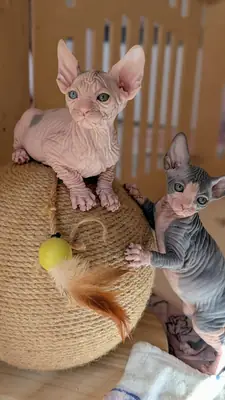
Tres gatitos Sphynx listos para su nuevo hogar
Male
Educated
Free Adoption
131 views
Gatitos Sphynx fr e.e
Male
Educated
Free Adoption
184 views
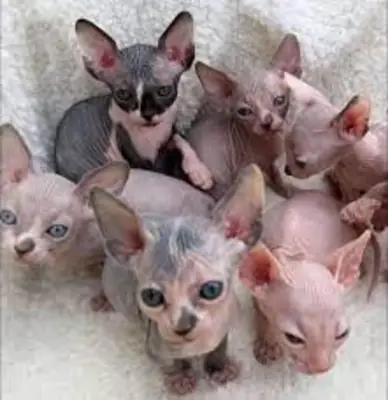
Gatitos Sphynx disponibles ahora
Male
Educated
Free Adoption
127 views
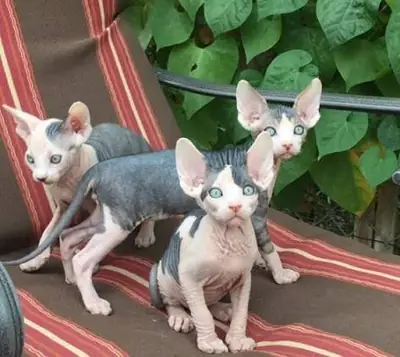
Sphynx Kittens Available Now
Male
Educated
Free Adoption
122 views