vs
Click on the breeds above to change the breed you want to compare.
Compare Japanese Bobtail and Sokoke side by side: temperament, energy, trainability, apartment fit, shedding, lifespan, weight and free adoption listings.
Breed traits
Character & behavior
Energy level
Playfulness
Intelligence
Trainability
Protectiveness
Sociability
Can stay alone
Lifestyle fit
Apartment-friendly
Yes
Yes
Good with kids
Yes
Yes
Good for first-time owners
Yes
Yes
Shedding
Noise level
Exercise needs
Physical & general
Life span
12–15 years
12–15 years
Weight
3.6–4.5 kg
3.5–5.5 kg
Height
30–35 cm
30–40 cm
Origin
Japan
Kenya
Grooming effort
Nutrition sensitivity
Health risk
Heat tolerance
Cold tolerance
The Japanese Bobtail and Sokoke are both unique cat breeds with distinct origins and characteristics. The Japanese Bobtail hails from Japan, known for its playful and sociable nature, making it a great companion for families and first-time owners. In contrast, the Sokoke, originating from Kenya, shares similar traits in sociability and playfulness but has a slightly higher exercise need and different climate tolerance. Both breeds have comparable lifespans and are suitable for apartment living, but they differ in weight range and some specific care requirements. Potential owners should consider their living environment and lifestyle when choosing between these two affectionate breeds.
Japanese Bobtail — Advantages
- Highly sociable, scoring a 5 in sociability
- Good with kids, making it a family-friendly option
- Suitable for first-time owners
- Moderate grooming difficulty
- Balanced energy level and playfulness
- Good with kids, making it a family-friendly option
- Suitable for first-time owners
- Moderate grooming difficulty
- Balanced energy level and playfulness
Disadvantages
- Moderate noise level, which may not suit all households
- Can stay alone for only a moderate amount of time
- Limited climate tolerance for extreme cold
- Can stay alone for only a moderate amount of time
- Limited climate tolerance for extreme cold
Sokoke — Advantages
- Good with kids, making it suitable for families
- Suitable for first-time owners
- Higher climate tolerance in hot conditions
- Slightly higher weight range, providing a sturdier build
- Lower noise level, which may be preferable in quieter homes
- Suitable for first-time owners
- Higher climate tolerance in hot conditions
- Slightly higher weight range, providing a sturdier build
- Lower noise level, which may be preferable in quieter homes
Disadvantages
- Slightly higher exercise needs, requiring more activity
- Moderate nutrition sensitivity, needing careful dietary management
- Lower sociability compared to Japanese Bobtail
- Moderate nutrition sensitivity, needing careful dietary management
- Lower sociability compared to Japanese Bobtail
Frequently Asked Questions
What is the average lifespan of a Japanese Bobtail?
The average lifespan of a Japanese Bobtail is between 12 to 15 years.
Are Japanese Bobtails good for families with children?
Yes, Japanese Bobtails are known to be good with kids.
How do the exercise needs compare between the Japanese Bobtail and Sokoke?
Both breeds have moderate exercise needs, but the Sokoke has a slightly higher requirement.
Can both breeds adapt to apartment living?
Yes, both the Japanese Bobtail and Sokoke are apartment-friendly.
Which breed is more sociable?
The Japanese Bobtail is more sociable, with a score of 5 compared to the Sokoke's score of 4.
free Japanese Bobtail adoption listings
No listings for this breed at the moment.
free Sokoke adoption listings
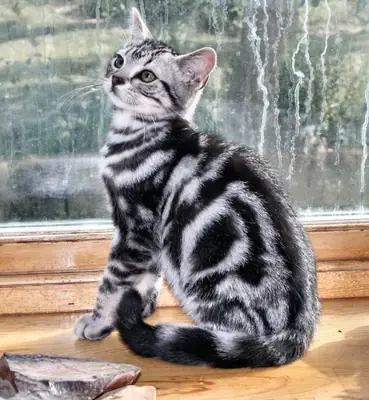
Sokoke for sale | Very observant, natural character | Not your average cat
Female
Educated
Free Adoption
1488 views
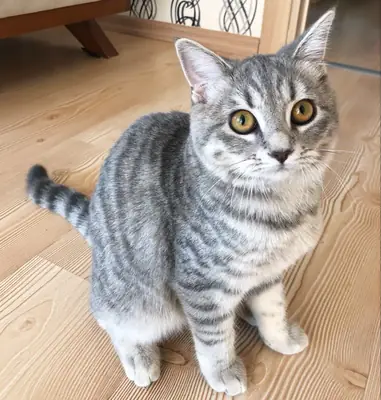
Lovable, feedable pet
Adopt a Sokoke cat | Playful and Affectionate
Male
Not Educated
Free Adoption
1639 views
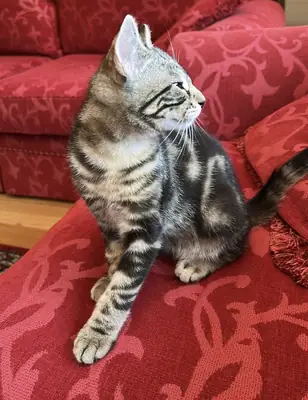
Sokoke adoption | Curious, intelligent | Will adapt to its new home
Female
Not Educated
Free Adoption
1162 views