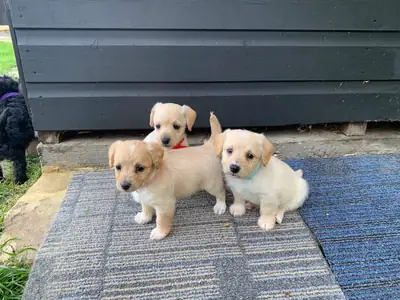
vs
Click on the breeds above to change the breed you want to compare.
Compare Tibetan Mastiff and Jeju side by side: temperament, energy, trainability, apartment fit, shedding, lifespan, weight and free adoption listings.
Breed traits
Character & behavior
Lifestyle fit
Physical & general
Tibetan Mastiff — Advantages
• Strong loyalty to their families.
• Good with kids, providing companionship for children.
• Adaptable to cold climates, thriving in cooler temperatures.
Disadvantages
• Not apartment-friendly due to size and exercise needs.
• Higher grooming difficulty, requiring more maintenance.
• May have a higher shedding level compared to Jeju.
Jeju — Advantages
• Good for first-time dog owners, easier to train.
• Sociable and playful, making them great family pets.
• Lower grooming difficulty and shedding level.
Disadvantages
• Adaptability to cold climates is moderate.
• Smaller size may not deter intruders as effectively.
Frequently Asked Questions
Which breed is better for families with children?
Both breeds are good with kids, but the Jeju may be more suitable due to its sociability and playfulness.
How much exercise do these breeds need?
The Tibetan Mastiff requires more exercise than the Jeju, which has moderate exercise needs.
Are these breeds good for first-time dog owners?
The Jeju is considered good for first-time owners, while the Tibetan Mastiff is better suited for experienced handlers.
What are the grooming needs of each breed?
The Tibetan Mastiff has a higher grooming difficulty, while the Jeju requires less maintenance.
Can both breeds adapt to apartment living?
The Jeju is apartment-friendly, whereas the Tibetan Mastiff is not suitable for apartment living due to its size and exercise requirements.
free Tibetan Mastiff adoption listings

Adorables cachorros de mastín tibetano
Bordeaux Dog Puppies

Precious Bordeaux Dog puppies
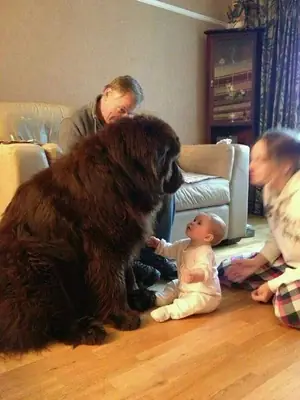
Tibetan Mastiff for sale | Powerful guard dog
free Jeju adoption listings
Beautifully jackapoo Puppy ready
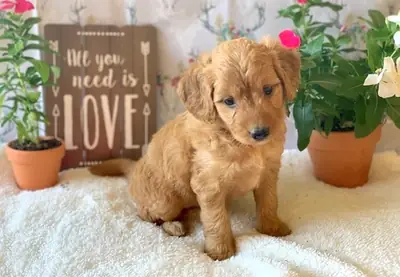
Multi Gen Golden Doodles puppies available
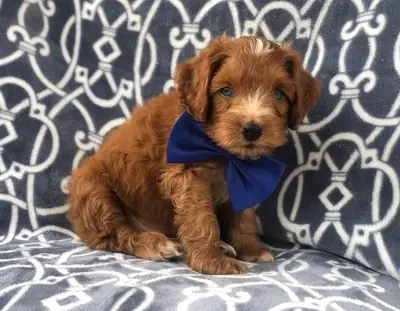
F1b American Cockapoos 2 Boys 2 girls Available
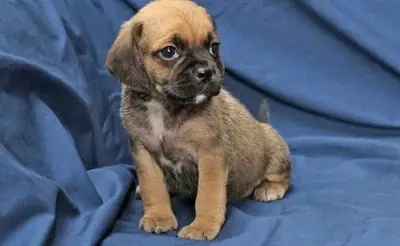
Beautiful Puggle Puppies
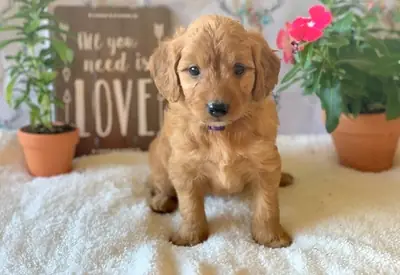
Multi Gen Golden Doodles puppies available