vs
Click on the breeds above to change the breed you want to compare.
Compare Jindo and Pungsan side by side: temperament, energy, trainability, apartment fit, shedding, lifespan, weight and free adoption listings.
Breed traits
Character & behavior
Energy level
Playfulness
Intelligence
Trainability
Protectiveness
Sociability
Can stay alone
Lifestyle fit
Apartment-friendly
No
No
Good with kids
Yes
Yes
Good for first-time owners
No
No
Shedding
Noise level
Exercise needs
Physical & general
Life span
12–15 years
12–15 years
Weight
18–25 kg
25–30 kg
Height
45–60 cm
50–60 cm
Origin
South Korea
North Korea
Grooming effort
Nutrition sensitivity
Health risk
Heat tolerance
Cold tolerance
The Jindo and Pungsan are both intelligent and protective breeds originating from Korea, known for their loyalty and companionship. While they share similarities in lifespan, energy level, and trainability, they differ in size and some behavioral traits. The Jindo is slightly smaller, weighing between 18 to 25 kg, while the Pungsan weighs between 25 to 30 kg. Both breeds are not apartment-friendly and are good with children, but the Pungsan has a slightly lower ability to stay alone compared to the Jindo. This comparison highlights the unique characteristics of each breed, helping potential owners make informed decisions based on their living situations and lifestyle preferences.
Jindo — Advantages
- Smaller size (18-25 kg) makes Jindo easier to manage in certain environments.
- Can stay alone for longer periods (3).
- Good with kids, making them suitable for families.
- High protectiveness (5) ensures a loyal companion.
- Can stay alone for longer periods (3).
- Good with kids, making them suitable for families.
- High protectiveness (5) ensures a loyal companion.
Disadvantages
- Not suitable for first-time owners due to their training needs.
- Higher shedding level (3) may require more grooming.
- Not apartment-friendly, requiring more space for exercise.
- Higher shedding level (3) may require more grooming.
- Not apartment-friendly, requiring more space for exercise.
Pungsan — Advantages
- Larger size (25-30 kg) may offer a more substantial presence for protection.
- Good with kids, making them family-friendly.
- High protectiveness (5) ensures they are loyal guardians.
- Similar energy and exercise needs (4) as Jindo, making them equally active.
- Good with kids, making them family-friendly.
- High protectiveness (5) ensures they are loyal guardians.
- Similar energy and exercise needs (4) as Jindo, making them equally active.
Disadvantages
- Lower ability to stay alone (2) may require more companionship.
- Not suitable for first-time owners due to their training needs.
- Not apartment-friendly, requiring more space for activity.
- Not suitable for first-time owners due to their training needs.
- Not apartment-friendly, requiring more space for activity.
Frequently Asked Questions
What is the lifespan of Jindo and Pungsan?
Both breeds have a lifespan of 12 to 15 years.
Are Jindos and Pungsans good with children?
Yes, both breeds are known to be good with kids.
Can Jindos and Pungsans be left alone for long periods?
Jindos can stay alone for longer (3), while Pungsans have a lower ability to stay alone (2).
Which breed is better for a first-time owner?
Neither breed is recommended for first-time owners due to their training needs.
Are Jindos and Pungsans suitable for apartment living?
No, both breeds are not apartment-friendly and require more space.
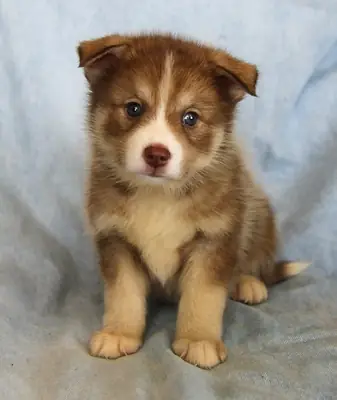
free Jindo adoption listings

free Pungsan adoption listings
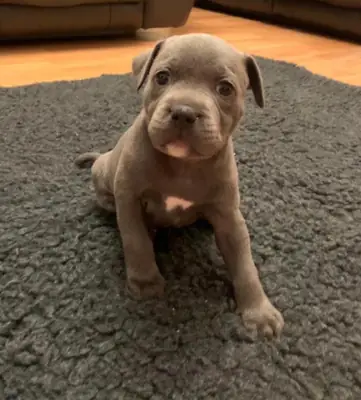
Staffordshire Bull Terrier Puppies
Male
Educated
Free Adoption
499 views

Home Reared Rare Blue Eyed Pomsky Puppy
Male
Educated
Free Adoption
573 views

Lovable, feedable pet
Rare Pungsan Dog for Adoption
Male
Not Educated
Free Adoption
1442 views
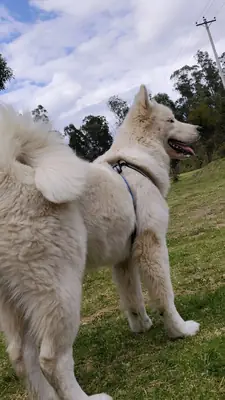
Adopting a Pungsan | A Rare and Powerful Breed
Male
Educated
Free Adoption
1218 views