vs
Click on the breeds above to change the breed you want to compare.
Compare Yorkshire Terrier and Maltese side by side: temperament, energy, trainability, apartment fit, shedding, lifespan, weight and free adoption listings.
Breed traits
Character & behavior
Energy level
Playfulness
Intelligence
Trainability
Protectiveness
Sociability
Can stay alone
Lifestyle fit
Apartment-friendly
Yes
Yes
Good with kids
Yes
Yes
Good for first-time owners
Yes
Yes
Shedding
Noise level
Exercise needs
Physical & general
Life span
12–15 years
12–15 years
Weight
2.7–3.6 kg
3.5–4.5 kg
Height
20–25 cm
20–25 cm
Origin
England
Malta
Grooming effort
Nutrition sensitivity
Health risk
Heat tolerance
Cold tolerance
The Yorkshire Terrier and Maltese are both small, affectionate breeds that make excellent companions, especially for families and first-time dog owners. While they share similarities such as their sociability and suitability for apartment living, they also have distinct differences that potential owners should consider. The Yorkshire Terrier is known for its higher energy level and noise level, making it a more active breed. In contrast, the Maltese has a slightly lower energy level and is quieter, which may appeal to those looking for a calmer pet. Grooming needs and trainability are also factors to weigh, as both breeds require attention but differ in their ease of training. Understanding these traits can help prospective owners choose the breed that best fits their lifestyle.
Yorkshire Terrier — Advantages
Higher energy level for active owners.
Good trainability, making them easier to teach commands.
Protective nature can make them good watchdogs.
Playful and sociable, thriving in family environments.
Good trainability, making them easier to teach commands.
Protective nature can make them good watchdogs.
Playful and sociable, thriving in family environments.
Disadvantages
Higher noise level, which may not suit all living situations.
Can be prone to separation anxiety if left alone too long.
Requires regular grooming due to longer coat.
Can be prone to separation anxiety if left alone too long.
Requires regular grooming due to longer coat.
Maltese — Advantages
Very sociable, often getting along well with other pets and children.
Lower noise level, making them quieter companions.
Easier to train than Yorkshire Terriers.
Less exercise need, suitable for less active owners.
Lower noise level, making them quieter companions.
Easier to train than Yorkshire Terriers.
Less exercise need, suitable for less active owners.
Disadvantages
Slightly heavier, which may not appeal to those looking for the smallest dog.
Can be sensitive to nutrition, requiring careful dietary management.
Similar grooming needs, but may be less demanding than Yorkshire Terriers.
Can be sensitive to nutrition, requiring careful dietary management.
Similar grooming needs, but may be less demanding than Yorkshire Terriers.
Frequently Asked Questions
Which breed is better for apartment living?
Both breeds are apartment-friendly, but the Maltese may be slightly quieter.
How do they compare in terms of trainability?
The Maltese is generally easier to train than the Yorkshire Terrier.
Are they good with children?
Yes, both breeds are known to be good with kids.
What are their grooming needs?
Both breeds require regular grooming due to their long coats.
Which breed has a longer lifespan?
Both breeds have a similar lifespan of 12 to 15 years.
free Yorkshire Terrier adoption listings
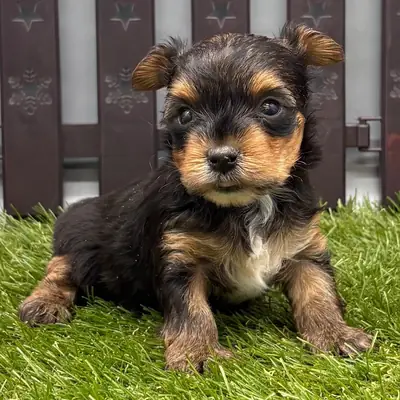
Teacup Yorkie Puppies Available for Adoption
Male
Educated
Free Adoption
13 views

Teacup Yorkie Puppy
Male
Educated
Free Adoption
13 views

Quality Yorkie Puppies Available
Male
Educated
Free Adoption
13 views
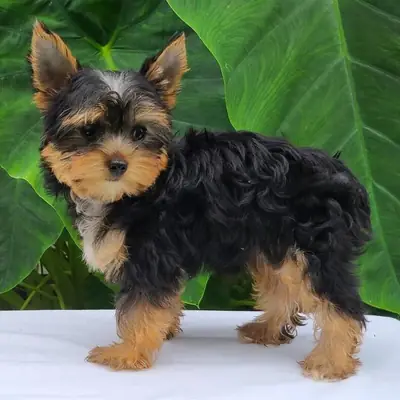
Wonderful 12 weeks old Yorkies
Male
Educated
Free Adoption
13 views
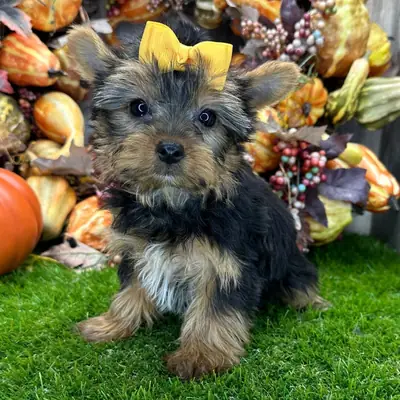
Yorkies Puppies for Adoption
Male
Educated
Free Adoption
13 views
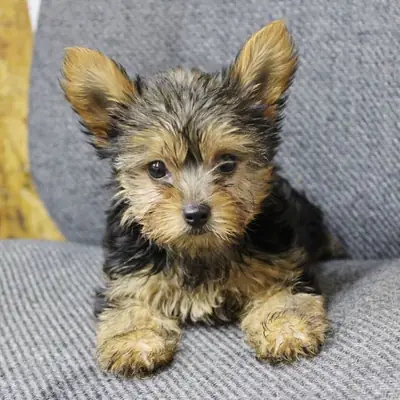
Yorkies Puppies for Adoption
Male
Educated
Free Adoption
13 views
free Maltese adoption listings

Un pequeño Maltés, una vida llena de amor 🐾💕
Male
Educated
Free Adoption
3 views
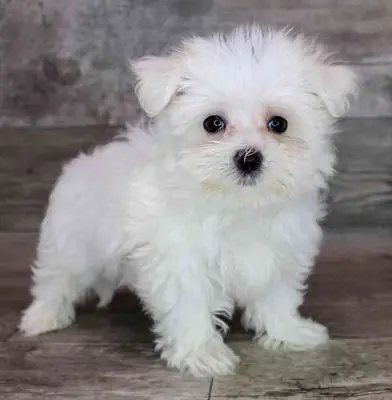
Dale a un cachorro Maltés un hogar lleno de amor 🏡🐶
Male
Educated
Free Adoption
4 views

Preciosos cachorros Maltés esperan a su nueva familia ❤️
Male
Educated
Free Adoption
7 views

Conoce a tu nuevo mejor amigo – Cachorros Maltés 🐾
Male
Educated
Free Adoption
5 views

Título: Adorables cachorros Maltés buscan un hogar para siempre 🐶🤍
Male
Educated
Free Adoption
3 views

Pedigree Maltese Puppies email on photo
Male
Not Educated
Free Adoption
10 views