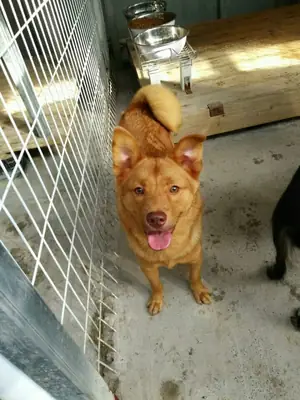
vs
Click on the breeds above to change the breed you want to compare.
Compare Mastiff and Donggyeongi side by side: temperament, energy, trainability, apartment fit, shedding, lifespan, weight and free adoption listings.
Breed traits
Character & behavior
Lifestyle fit
Physical & general
Mastiff — Advantages
• Good with kids
• Moderate exercise needs
• Lower grooming difficulty
• Tolerates cold climates well
Disadvantages
• Shorter lifespan compared to Donggyeongi
• Higher shedding level
• Less sociable than Donggyeongi
• Not ideal for first-time owners
Donggyeongi — Advantages
• Apartment-friendly
• Good for first-time owners
• Higher playfulness and sociability
• Moderate exercise needs
Disadvantages
• Less protective compared to Mastiff
• Higher grooming difficulty than Mastiff
• May require more attention due to higher playfulness
• Tolerates hot climates less effectively than Mastiff
Frequently Asked Questions
Which breed is better for families with young children?
Both breeds are good with kids, but the Mastiff's protective nature may offer an additional sense of security.
How much exercise do these breeds need?
Both breeds have moderate exercise needs, but the Mastiff may require more space for exercise due to its size.
Are these breeds suitable for first-time dog owners?
The Donggyeongi is more suitable for first-time owners, while the Mastiff may require more experience.
How do these breeds tolerate different climates?
The Mastiff tolerates cold climates better, while the Donggyeongi has a moderate tolerance for both hot and cold weather.
What is the grooming requirement for each breed?
Both breeds have a grooming difficulty level of 2, indicating they are relatively easy to groom.
free Mastiff adoption listings
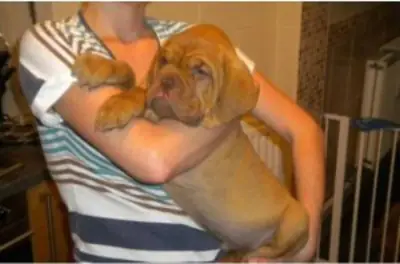
Cachorros preciosos y excelentes**dos cachorros de bullmastiff con registro KC listos para la venta.
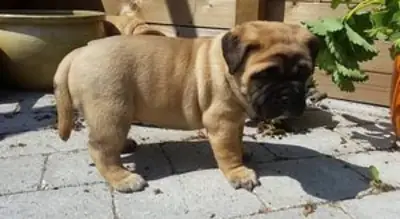
Bullmastiff puppies available
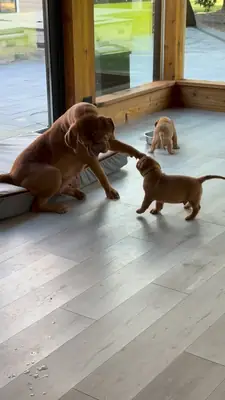
🐾 Beautiful French Mastiff Puppies Looking for Loving Homes 🐾
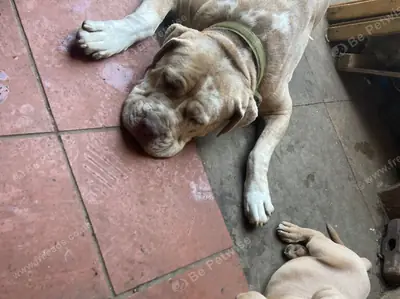
Bull mastiff Puppies
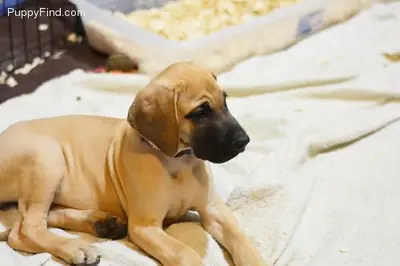
Cachorros de Bullmastiff disponibles ahora
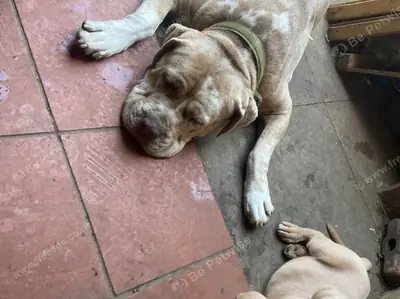
Mastiff pups ready now
free Donggyeongi adoption listings
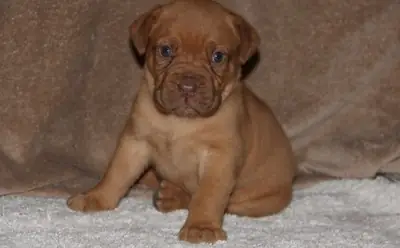
Gorgeous Dogue De Bordeaux Puppies
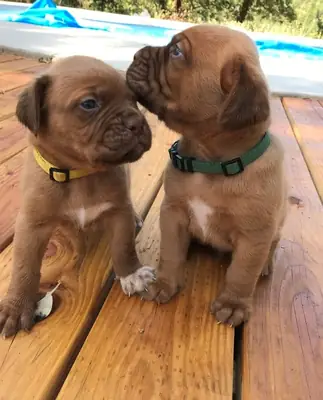
Gorgeous Dogue De Bordeaux Puppies
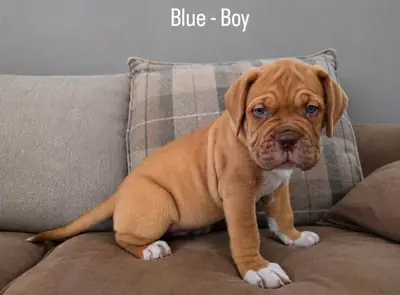
Bordeaux Dog Puppies
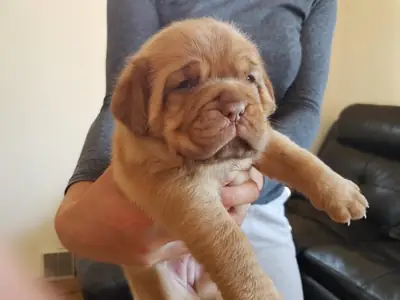
4 precious Bordeaux Mastiff puppies, robust and of excellent pedigree.
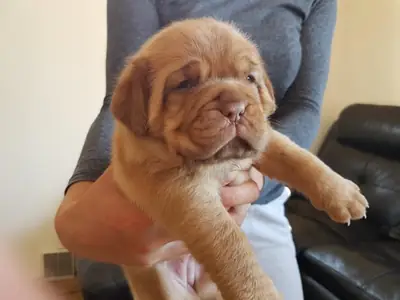
Beautiful Bordeaux Mastiff puppies, males and females