vs
Click on the breeds above to change the breed you want to compare.
Compare Munchkin and Elf side by side: temperament, energy, trainability, apartment fit, shedding, lifespan, weight and free adoption listings.
Breed traits
Character & behavior
Energy level
Playfulness
Intelligence
Trainability
Protectiveness
Sociability
Can stay alone
Lifestyle fit
Apartment-friendly
Yes
Yes
Good with kids
Yes
Yes
Good for first-time owners
Yes
Yes
Shedding
Noise level
Exercise needs
Physical & general
Life span
12–15 years
12–16 years
Weight
2.5–4.5 kg
3.5–6.5 kg
Height
20–25 cm
25–30 cm
Origin
United States
United States
Grooming effort
Nutrition sensitivity
Health risk
Heat tolerance
Cold tolerance
The Elf and Munchkin breeds are both charming and sociable cats originating from the United States, making them popular choices for families and first-time owners. The Elf, known for its playful nature and higher energy level, typically weighs between 3.5 to 6.5 kg and stands 25-30 cm tall. With a lifespan of 12 to 16 years, it is slightly longer-lived than the Munchkin, which weighs 2.5 to 4.5 kg and has a lifespan of 12 to 15 years. Both breeds are apartment-friendly and get along well with children, but they differ in energy and noise levels, with the Elf being more energetic and slightly noisier. This comparison highlights the unique traits and considerations for potential owners of each breed.
Munchkin — Advantages
Slightly lower weight (2.5-4.5 kg) makes it easier to handle
More independent (can stay alone for 3 hours)
Lower noise level (2), quieter in the home
Easier grooming needs (2)
Lower health risk (2) compared to Elf
More independent (can stay alone for 3 hours)
Lower noise level (2), quieter in the home
Easier grooming needs (2)
Lower health risk (2) compared to Elf
Disadvantages
Slightly shorter lifespan (12-15 years)
Lower energy level (3), may be less playful
Less adaptable to hot climates (3)
Slightly less playful (4) compared to Elf
Lower energy level (3), may be less playful
Less adaptable to hot climates (3)
Slightly less playful (4) compared to Elf
Elf — Advantages
Higher energy level (4) for active playtime
More playful (5), great for interactive activities
Longer lifespan (12-16 years)
Good adaptability to hot climates (4)
Good with kids, making it family-friendly
More playful (5), great for interactive activities
Longer lifespan (12-16 years)
Good adaptability to hot climates (4)
Good with kids, making it family-friendly
Disadvantages
Can be noisy (3), which may not suit all households
Requires moderate grooming (3)
Less independent (can stay alone for only 2 hours)
Lower protectiveness (2), may not deter intruders
Requires moderate grooming (3)
Less independent (can stay alone for only 2 hours)
Lower protectiveness (2), may not deter intruders
Frequently Asked Questions
Which breed is better for families with young children?
Both breeds are good with kids, but the Elf's higher playfulness may make it more engaging for children.
How do their grooming needs compare?
The Munchkin has an easier grooming difficulty (2) compared to the Elf (3), making it lower maintenance.
Are they good for first-time cat owners?
Yes, both breeds are suitable for first-time owners due to their friendly nature and adaptability.
Which breed is more active?
The Elf is more active with a higher energy level (4) compared to the Munchkin (3).
How do they handle being left alone?
The Munchkin can stay alone for up to 3 hours, while the Elf prefers companionship and can only stay alone for 2 hours.
free Munchkin adoption listings
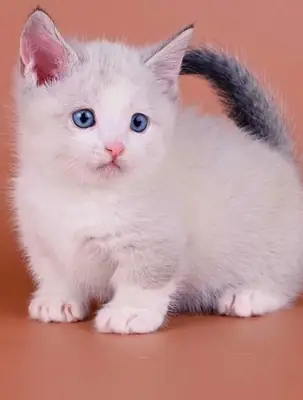
charming Munchkin boy
Male
Not Educated
Free Adoption
7 views
munchkin kitten
Male
Not Educated
Free Adoption
6 views
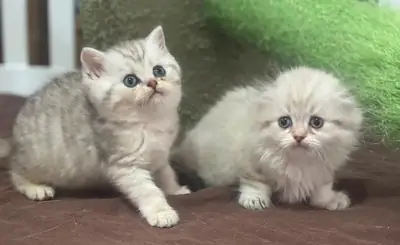
✨ Adorable Munchkin Kittens ✨
Male
Not Educated
Free Adoption
96 views
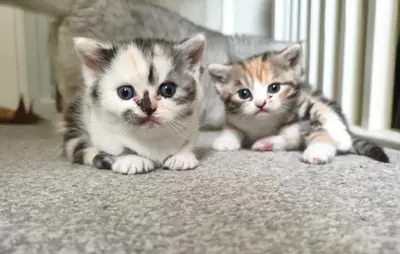
Munchkin kittens for a new home
Male
Not Educated
Free Adoption
373 views
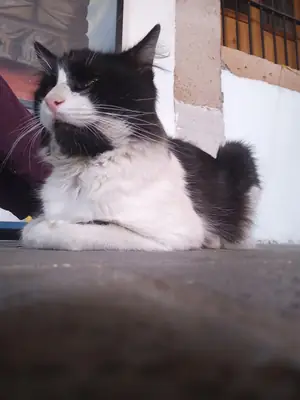
munchkin cat rehome
Male
Not Educated
Free Adoption
889 views
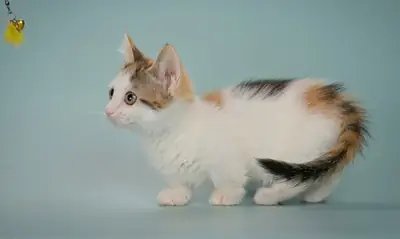
Munchkin Kittens Registered NOW
Male
Educated
Free Adoption
743 views