vs
Click on the breeds above to change the breed you want to compare.
Compare Napoleon and Raas side by side: temperament, energy, trainability, apartment fit, shedding, lifespan, weight and free adoption listings.
Breed traits
Character & behavior
Energy level
Playfulness
Intelligence
Trainability
Protectiveness
Sociability
Can stay alone
Lifestyle fit
Apartment-friendly
Yes
Yes
Good with kids
Yes
Yes
Good for first-time owners
Yes
Yes
Shedding
Noise level
Exercise needs
Physical & general
Life span
12–15 years
12–15 years
Weight
2.5–4.5 kg
3.5–7.5 kg
Height
20–25 cm
25–30 cm
Origin
France
India
Grooming effort
Nutrition sensitivity
Health risk
Heat tolerance
Cold tolerance
The Napoleon and Raas breeds offer distinct characteristics that cater to different lifestyles and preferences. Both breeds are known for their sociability and adaptability to apartment living, making them suitable companions for urban dwellers. The Napoleon, originating from France, is a smaller breed with a weight range of 2.5 to 4.5 kg and a height of 20-25 cm, while the Raas, hailing from India, is slightly larger, weighing between 3.5 to 7.5 kg and standing 25-30 cm tall. Both breeds have similar energy levels and exercise needs, making them manageable for first-time owners. However, the Raas excels in sociability and climate tolerance, particularly in hot conditions, which may appeal to those in warmer regions. The choice between these two breeds should consider individual preferences regarding size, sociability, and adaptability to climate.
Napoleon — Advantages
Smaller size, making them easier to handle in tight spaces.
Good with kids, providing a family-friendly option.
Apartment friendly, suitable for urban living.
Moderate energy levels, manageable for various lifestyles.
Good for first-time owners, easy to care for.
Good with kids, providing a family-friendly option.
Apartment friendly, suitable for urban living.
Moderate energy levels, manageable for various lifestyles.
Good for first-time owners, easy to care for.
Disadvantages
Lower sociability compared to Raas, may not be as outgoing.
Less climate tolerance in hot conditions than Raas.
Less climate tolerance in hot conditions than Raas.
Raas — Advantages
Higher sociability, making them more interactive and engaging.
Better climate tolerance in hot conditions, suitable for warmer climates.
Larger size may appeal to those preferring a more robust companion.
Better climate tolerance in hot conditions, suitable for warmer climates.
Larger size may appeal to those preferring a more robust companion.
Disadvantages
Larger weight range may require more space and resources.
Similar energy levels, but could be more challenging for those preferring a less active dog.
Similar energy levels, but could be more challenging for those preferring a less active dog.
Frequently Asked Questions
What is the lifespan of Napoleon and Raas breeds?
Both breeds have a lifespan of 12 to 15 years.
Are Napoleon and Raas good with children?
Yes, both breeds are good with kids.
Can these breeds live in apartments?
Yes, both Napoleon and Raas are apartment friendly.
How do they handle being left alone?
Both breeds can stay alone for moderate periods.
What is the grooming difficulty for these breeds?
Both breeds have a grooming difficulty level of 2, indicating relatively easy grooming needs.
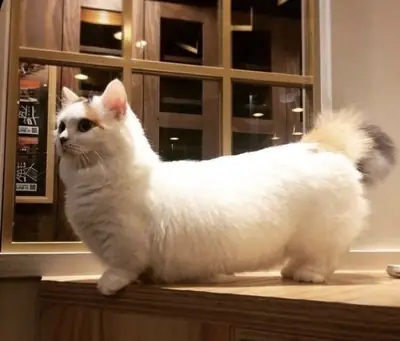
free Raas adoption listings

Toybob Kittens
Male
Educated
Free Adoption
305 views

Precious Ragamese Kittens
Male
Educated
Free Adoption
265 views

Keetso Kittens Available
Male
Educated
Free Adoption
283 views

Beautiful Australian Mist Kittens
Male
Not Educated
Free Adoption
270 views

Raas cat for adoption | Natural and robust breed
Male
Not Educated
Free Adoption
1116 views