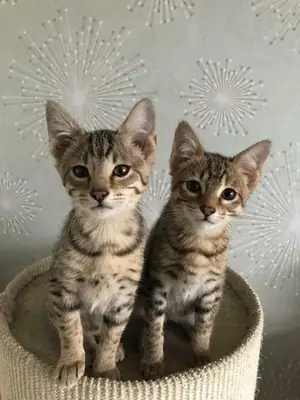
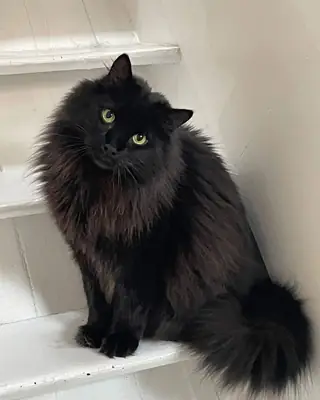
vs
Click on the breeds above to change the breed you want to compare.
Compare Norwegian Forest Cat and Chantilly side by side: temperament, energy, trainability, apartment fit, shedding, lifespan, weight and free adoption listings.
Breed traits
Character & behavior
Lifestyle fit
Physical & general
Norwegian Forest Cat — Advantages
- Better tolerance to cold climates
- Higher exercise needs, promoting an active lifestyle
- Good balance of playfulness and sociability
- Apartment-friendly with moderate noise levels
Disadvantages
- Moderate grooming difficulty
- Moderate shedding level
- Lower sociability compared to Chantilly
Chantilly — Advantages
- Higher sociability, great for families
- Lower grooming difficulty
- Lower shedding level
- Good tolerance to both hot and cold climates
Disadvantages
- Lower energy level may not suit active owners
- Moderate exercise needs may require encouragement
- Slightly higher noise level than Norwegian Forest Cat
Frequently Asked Questions
Which breed is better for families with children?
Both breeds are good with kids, but the Chantilly has a higher sociability score, making it potentially more suitable for families.
How much grooming do these breeds require?
The Norwegian Forest Cat has a moderate grooming difficulty, whereas the Chantilly has a lower grooming difficulty.
Are these breeds suitable for first-time cat owners?
Yes, both breeds are good for first-time owners.
What is the average lifespan of each breed?
The Norwegian Forest Cat has an average lifespan of 12-16 years, while the Chantilly has an average lifespan of 12-15 years.
How do they differ in energy levels?
The Norwegian Forest Cat has a higher energy level (4) compared to the Chantilly (3), which may influence playtime and activity needs.
free Norwegian Forest Cat adoption listings
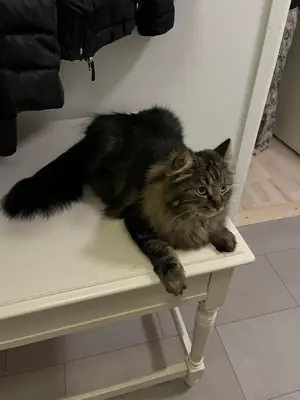
Indoor norwegian forest cat
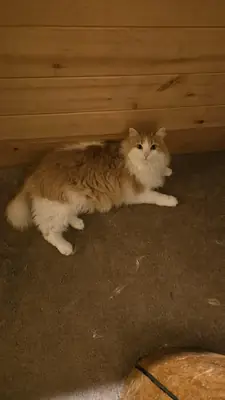
better suited to a quieter household
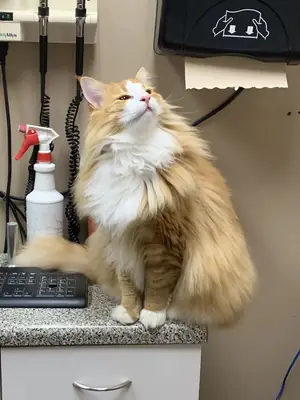
indoor cat, change in circumstances
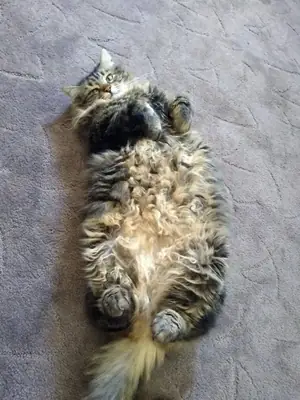
Adopt a Norwegian Forest Cat | Friendly & Playful
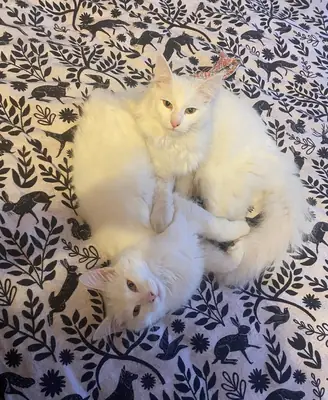
Norwegian Forest Kittens