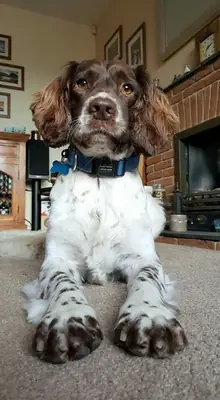
vs
Click on the breeds above to change the breed you want to compare.
Compare Pug and English Springer Spaniel side by side: temperament, energy, trainability, apartment fit, shedding, lifespan, weight and free adoption listings.
Breed traits
Character & behavior
Lifestyle fit
Physical & general
Pug — Advantages
- Lower energy level, suitable for less active households
- Good with kids, friendly and sociable
- Easy grooming, low shedding
- Generally good for first-time owners
Disadvantages
- Potential health risks due to brachycephalic structure
- Moderate trainability, may require patience
- Can be prone to separation anxiety, needs companionship
- Less playful compared to English Springer Spaniel
English Springer Spaniel — Advantages
- Excellent playfulness, enjoys interactive activities
- Good trainability, responds well to commands
- Sociable and friendly with children
- Moderate shedding level, manageable grooming
Disadvantages
- Not apartment-friendly, needs space to roam
- Can struggle with alone time, may develop separation anxiety
- Higher grooming difficulty compared to Pug
- Moderate health risks associated with breed
Frequently Asked Questions
Which breed is better for families with children?
Both breeds are good with kids, but the English Springer Spaniel may offer more playfulness and energy for active families.
Can these breeds live in an apartment?
The Pug is apartment-friendly, while the English Springer Spaniel requires more space to roam.
How much exercise do these breeds need?
The English Springer Spaniel needs a lot of exercise, whereas the Pug has lower exercise requirements.
Are these breeds good for first-time dog owners?
Yes, both breeds are considered good for first-time owners, but the Pug may be easier due to its lower exercise needs.
What are the grooming needs for each breed?
The Pug has lower grooming needs compared to the English Springer Spaniel, which requires more maintenance.
free Pug adoption listings
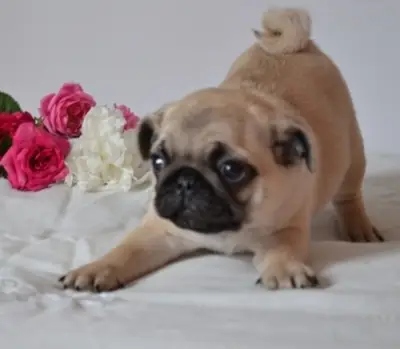
Cachorros de carlino color beige puro
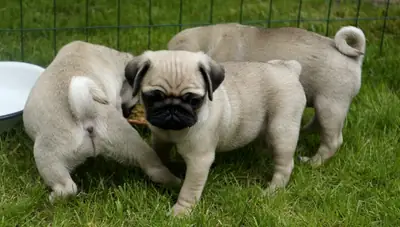
KC Registered Pug Puppy Email : jacobmatirns@gmail.com
Chocolate Labrador puppies for adoption

Outstanding male and female golden retriever puppy ready to go
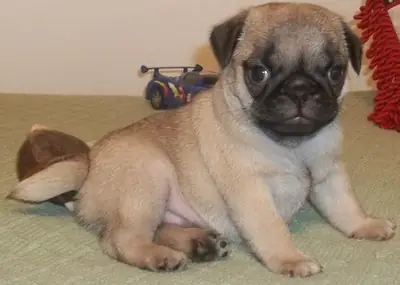
Well trained pug puppy ready for adoption
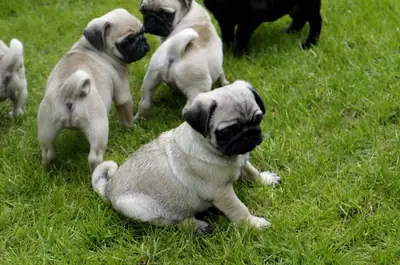
Nellie female pug : jacobmatirns@gmail.com
free English Springer Spaniel adoption listings

English Springer Spaniel Puppies

Precious Springer Spaniels ready to go to their new home
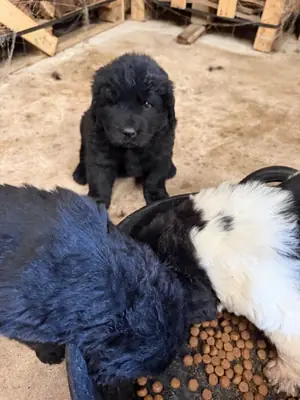
Newfoundland Puppies

Springer spaniel, needs more activity

He was too energetic, he couldn't keep up with our pace.