vs
Click on the breeds above to change the breed you want to compare.
Compare Pungsan and Pomeranian side by side: temperament, energy, trainability, apartment fit, shedding, lifespan, weight and free adoption listings.
Breed traits
Character & behavior
Energy level
Playfulness
Intelligence
Trainability
Protectiveness
Sociability
Can stay alone
Lifestyle fit
Apartment-friendly
No
Yes
Good with kids
Yes
Yes
Good for first-time owners
No
Yes
Shedding
Noise level
Exercise needs
Physical & general
Life span
12–15 years
12–16 years
Weight
25–30 kg
1.4–3.2 kg
Height
50–60 cm
20–30 cm
Origin
North Korea
Germany
Grooming effort
Nutrition sensitivity
Health risk
Heat tolerance
Cold tolerance
The Pomeranian and Pungsan are two distinct dog breeds with unique characteristics suited for different types of owners. The Pomeranian, a small breed originating from Germany, is known for its playful and sociable nature, making it a great companion for families and first-time dog owners. In contrast, the Pungsan, a larger breed from North Korea, is recognized for its protectiveness and trainability, but it may not be the best fit for apartment living or novice owners. Both breeds share a similar lifespan, but their size, energy levels, and grooming needs differ significantly. Understanding these differences can help potential owners make an informed decision based on their lifestyle and preferences.
Pungsan — Advantages
Highly protective, making it a good watchdog.
Trainable with a higher trainability score, suitable for experienced owners.
Lower noise level, which is ideal for quieter environments.
Lower health risk compared to other breeds.
Adaptable to cold climates.
Trainable with a higher trainability score, suitable for experienced owners.
Lower noise level, which is ideal for quieter environments.
Lower health risk compared to other breeds.
Adaptable to cold climates.
Disadvantages
Large size may not be suitable for apartment living.
Not recommended for first-time dog owners due to its needs and temperament.
Higher exercise requirements, necessitating more active owners.
Not recommended for first-time dog owners due to its needs and temperament.
Higher exercise requirements, necessitating more active owners.
Pomeranian — Advantages
Small size makes it suitable for apartments.
Highly sociable and playful, great for families.
Good for first-time dog owners.
Moderate exercise needs, manageable for most owners.
Adapts well to cold climates.
Highly sociable and playful, great for families.
Good for first-time dog owners.
Moderate exercise needs, manageable for most owners.
Adapts well to cold climates.
Disadvantages
Can be noisy, which may be an issue in shared living spaces.
Requires moderate grooming, which may be a consideration for busy owners.
Can struggle with separation anxiety due to low tolerance for being alone.
Requires moderate grooming, which may be a consideration for busy owners.
Can struggle with separation anxiety due to low tolerance for being alone.
Frequently Asked Questions
Which breed is better for families with children?
Both breeds are good with kids, but the Pomeranian's playful nature may make it a more suitable choice for families.
How much exercise do these breeds need?
The Pomeranian requires moderate exercise, while the Pungsan has higher exercise needs.
Are these breeds good for first-time dog owners?
The Pomeranian is good for first-time owners, whereas the Pungsan is better suited for experienced owners.
Can these breeds live in apartments?
The Pomeranian is apartment-friendly, but the Pungsan is not recommended for apartment living due to its size.
How do they differ in grooming needs?
Both breeds have a moderate grooming difficulty, but the Pungsan requires less grooming than the Pomeranian.
free Pungsan adoption listings
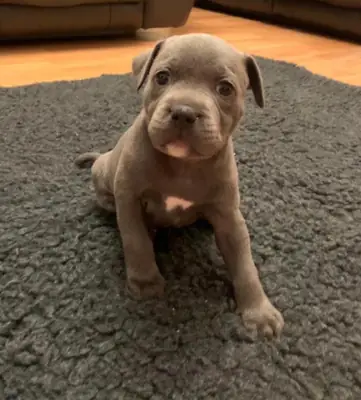
Staffordshire Bull Terrier Puppies
Male
Educated
Free Adoption
519 views
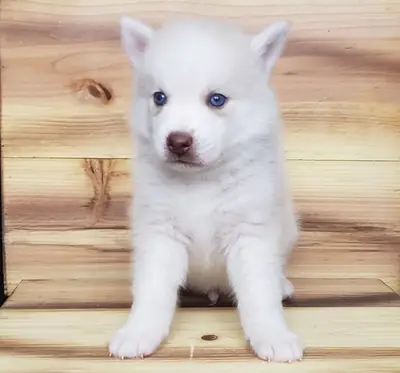
Home Reared Rare Blue Eyed Pomsky Puppy
Male
Educated
Free Adoption
585 views
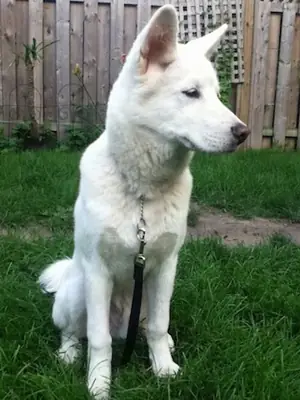
Lovable, feedable pet
Rare Pungsan Dog for Adoption
Male
Not Educated
Free Adoption
1500 views
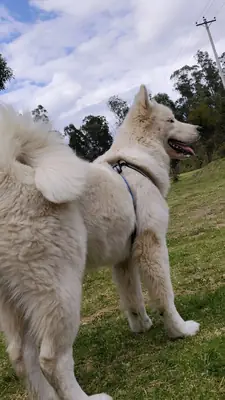
Adopting a Pungsan | A Rare and Powerful Breed
Male
Educated
Free Adoption
1235 views
free Pomeranian adoption listings
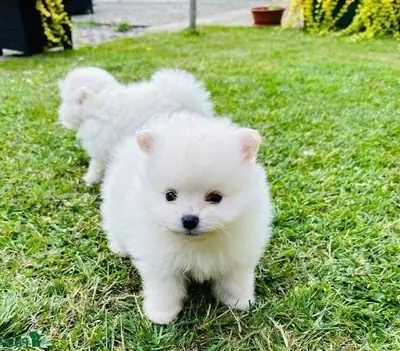
Fínir Pomeranian hvolpar fyrir góða fjölskyldu
Male
Educated
Free Adoption
1 views
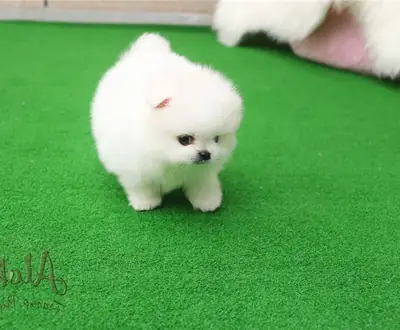
Gesond Pomeranian Welpen fir eng léif Famill
Male
Educated
Free Adoption
2 views
Gesunde Pomeranian-Welpen suchen ein neues Zuhause
Male
Educated
Free Adoption
3 views
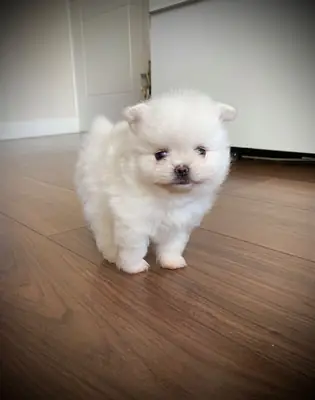
Prekrasni pomeranski štenci spremni odmah
Male
Educated
Free Adoption
1 views
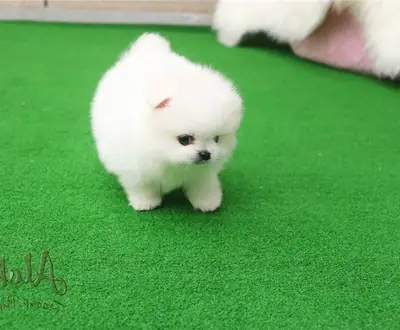
Štěňata pomeranianů pro dobrý domov
Male
Educated
Free Adoption
1 views
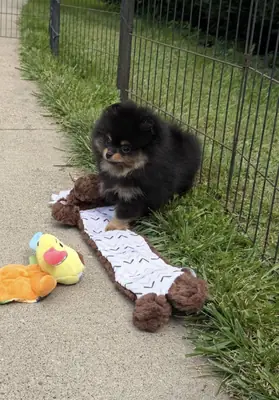
The 179 most love-collecting friend
Beautiful Female Pomeranian Puppy – Ready August 29th 🐾
Male
Not Educated
Free Adoption
52 views