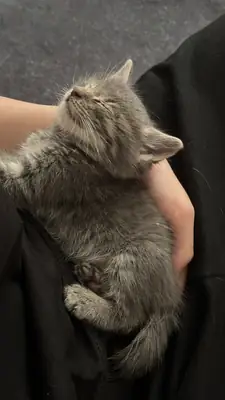
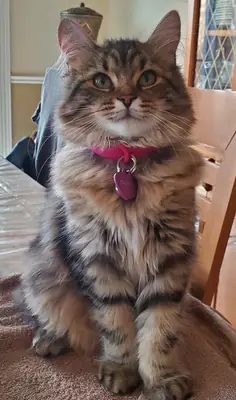
vs
Click on the breeds above to change the breed you want to compare.
Compare Ragdoll and Domestic Longhair side by side: temperament, energy, trainability, apartment fit, shedding, lifespan, weight and free adoption listings.
Breed traits
Character & behavior
Energy level
Playfulness
Intelligence
Trainability
Protectiveness
Sociability
Can stay alone
Lifestyle fit
Apartment-friendly
Yes
Yes
Good with kids
Yes
Yes
Good for first-time owners
Yes
Yes
Shedding
Noise level
Exercise needs
Physical & general
Life span
12–15 years
12–15 years
Weight
4.5–9 kg
3.5–7 kg
Height
25–30 cm
25–30 cm
Origin
United States
—
Grooming effort
Nutrition sensitivity
Health risk
Heat tolerance
Cold tolerance
The Ragdoll and Domestic Longhair are both popular cat breeds known for their sociable nature and compatibility with families. They share a similar lifespan, ranging from 12 to 15 years, and both are suitable for apartment living. However, they differ in various aspects, such as weight, grooming requirements, and shedding levels. The Ragdoll tends to be heavier, while the Domestic Longhair is generally lighter. Grooming difficulty also varies, with the Ragdoll being moderately challenging compared to the Domestic Longhair, which requires more effort. Understanding these differences can help potential owners choose the breed that best fits their lifestyle and preferences.
Ragdoll — Advantages
- Ragdolls are known for their affectionate and sociable nature.
- They are good with kids and make great family pets.
- They are suitable for first-time owners.
- Moderate exercise needs make them easy to care for in terms of activity.
- They have a balanced climate tolerance for both hot and cold weather.
- They are good with kids and make great family pets.
- They are suitable for first-time owners.
- Moderate exercise needs make them easy to care for in terms of activity.
- They have a balanced climate tolerance for both hot and cold weather.
Disadvantages
- Shedding level is moderate, requiring regular grooming.
- Noise level is on the lower side, which may not suit those who prefer more vocal pets.
- Ragdolls may not be as tolerant of being left alone for extended periods.
- Noise level is on the lower side, which may not suit those who prefer more vocal pets.
- Ragdolls may not be as tolerant of being left alone for extended periods.
Domestic Longhair — Advantages
- Domestic Longhairs are also very sociable and good with children.
- They are suitable for first-time owners, making them accessible for many families.
- They have a similar energy level, making them easy to manage.
- They tolerate hot climates well, providing versatility in living environments.
- They are suitable for first-time owners, making them accessible for many families.
- They have a similar energy level, making them easy to manage.
- They tolerate hot climates well, providing versatility in living environments.
Disadvantages
- Grooming difficulty is higher due to their longer fur, requiring more maintenance.
- Shedding level is higher, which may be a concern for allergy sufferers.
- They may have a slightly higher exercise need compared to Ragdolls.
- Shedding level is higher, which may be a concern for allergy sufferers.
- They may have a slightly higher exercise need compared to Ragdolls.
Frequently Asked Questions
How much do Ragdolls and Domestic Longhairs typically weigh?
Ragdolls usually weigh between 4.5 to 9.0 kg, while Domestic Longhairs weigh between 3.5 to 7.0 kg.
Are Ragdolls and Domestic Longhairs good with children?
Yes, both breeds are known to be good with kids and make excellent family pets.
Which breed requires more grooming?
Domestic Longhairs require more grooming due to their longer fur compared to Ragdolls.
Can both breeds adapt to apartment living?
Yes, both Ragdolls and Domestic Longhairs are apartment-friendly.
How do their energy levels compare?
Both breeds have a similar energy level, rated at 3, making them relatively easy to manage.
free Ragdoll adoption listings
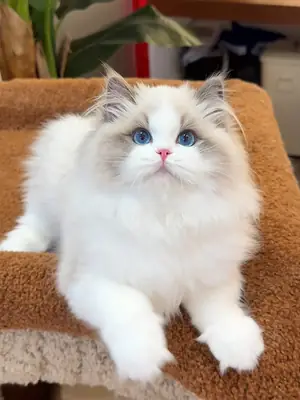
Amazing Ragdoll Cat
Male
Not Educated
Free Adoption
10 views
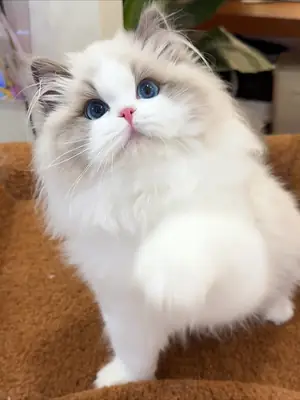
Amazing Ragdoll
Male
Not Educated
Free Adoption
21 views
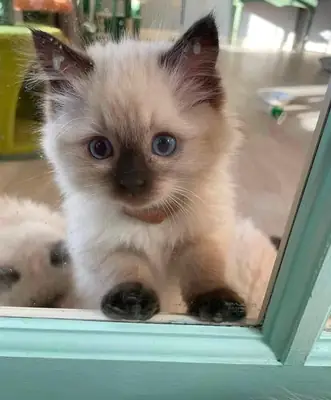
Kafshë shtëpiake e ëmbël familjare
Male
Not Educated
Free Adoption
78 views
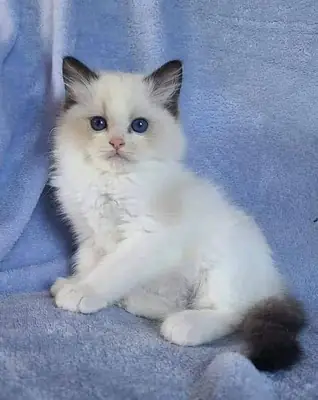
Bukuri Elegante
Male
Not Educated
Free Adoption
65 views
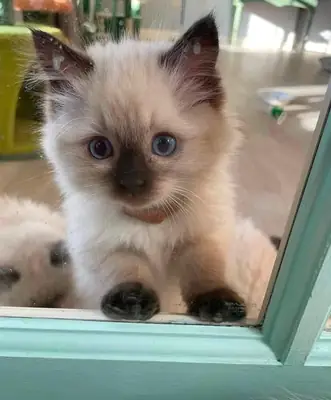
Të qeta dhe të përkëdhelura
Male
Not Educated
Free Adoption
75 views
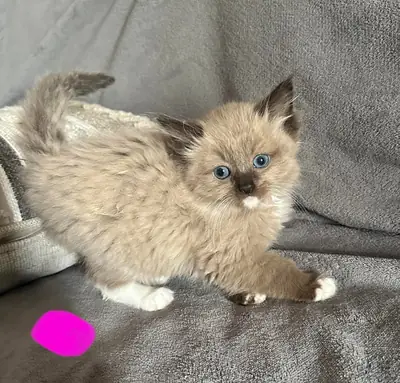
Kotele Ragdoll e Adhurueshme
Male
Not Educated
Free Adoption
56 views