vs
Click on the breeds above to change the breed you want to compare.
Compare Ragdoll and Domestic Shorthair side by side: temperament, energy, trainability, apartment fit, shedding, lifespan, weight and free adoption listings.
Breed traits
Character & behavior
Energy level
Playfulness
Intelligence
Trainability
Protectiveness
Sociability
Can stay alone
Lifestyle fit
Apartment-friendly
Yes
Yes
Good with kids
Yes
Yes
Good for first-time owners
Yes
Yes
Shedding
Noise level
Exercise needs
Physical & general
Life span
12–15 years
12–15 years
Weight
4.5–9 kg
3.5–6.5 kg
Height
25–30 cm
25–30 cm
Origin
United States
United States
Grooming effort
Nutrition sensitivity
Health risk
Heat tolerance
Cold tolerance
The Ragdoll and Domestic Shorthair are both popular cat breeds originating from the United States, with similar lifespans ranging from 12 to 15 years. Both breeds are known for their sociable nature and compatibility with children, making them great choices for families. The Ragdoll, however, tends to be larger, weighing between 4.5 to 9 pounds, while the Domestic Shorthair typically weighs between 3.5 to 6.5 pounds. Both breeds exhibit moderate energy levels and playfulness, but the Domestic Shorthair has slightly higher exercise needs. Grooming difficulty also varies, with the Ragdoll requiring more maintenance compared to the lower grooming needs of the Domestic Shorthair. Ultimately, the choice between these two breeds can depend on personal preferences regarding size, grooming, and energy levels.
Ragdoll — Advantages
Larger size for a more substantial presence
Good with kids, making them family-friendly
Suitable for first-time owners
Moderate energy level, easy to manage
Sociable and affectionate nature
Good with kids, making them family-friendly
Suitable for first-time owners
Moderate energy level, easy to manage
Sociable and affectionate nature
Disadvantages
Higher grooming difficulty compared to Domestic Shorthair
Requires more attention due to moderate exercise needs
Shedding level is the same as Domestic Shorthair but may require more frequent brushing
Requires more attention due to moderate exercise needs
Shedding level is the same as Domestic Shorthair but may require more frequent brushing
Domestic Shorthair — Advantages
Smaller size, easier to handle and care for
Lower grooming difficulty, less maintenance required
Slightly higher exercise needs, promoting active play
Equally sociable and good with kids
Ideal for first-time cat owners
Lower grooming difficulty, less maintenance required
Slightly higher exercise needs, promoting active play
Equally sociable and good with kids
Ideal for first-time cat owners
Disadvantages
Smaller weight range may not appeal to those preferring larger cats
Slightly higher exercise needs compared to Ragdoll
Similar shedding level but less grooming may not be sufficient for some owners
Slightly higher exercise needs compared to Ragdoll
Similar shedding level but less grooming may not be sufficient for some owners
Frequently Asked Questions
Which breed is better for families with children?
Both breeds are good with kids, but Ragdolls are often more affectionate and tolerant.
How much grooming do Ragdolls need compared to Domestic Shorthairs?
Ragdolls require more grooming due to their longer fur, while Domestic Shorthairs have lower grooming needs.
Are Ragdolls or Domestic Shorthairs more suitable for first-time cat owners?
Both breeds are suitable for first-time owners, but Ragdolls are particularly known for their gentle and easy-going nature.
Do either breed have special dietary needs?
Both breeds have moderate nutrition sensitivity, but neither is known for having specific dietary restrictions.
What is the average lifespan of Ragdolls and Domestic Shorthairs?
Both breeds typically have a lifespan of 12 to 15 years.
free Ragdoll adoption listings
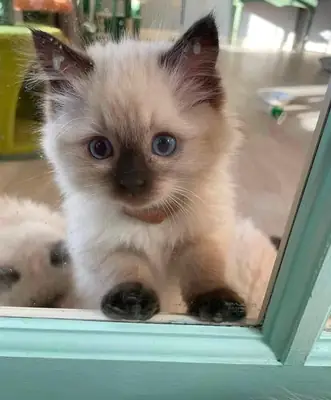
Kafshë shtëpiake e ëmbël familjare
Male
Not Educated
Free Adoption
71 views
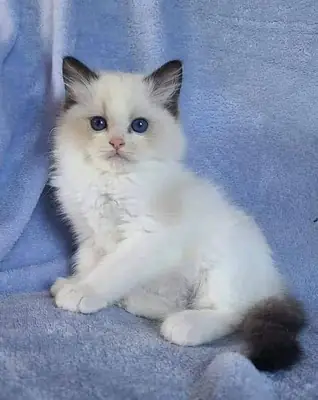
Bukuri Elegante
Male
Not Educated
Free Adoption
56 views
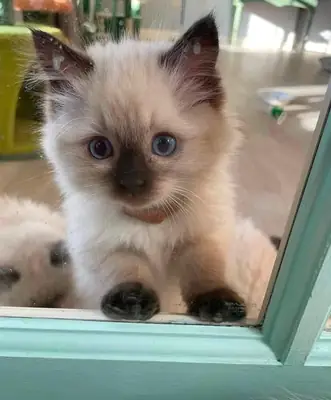
Të qeta dhe të përkëdhelura
Male
Not Educated
Free Adoption
65 views
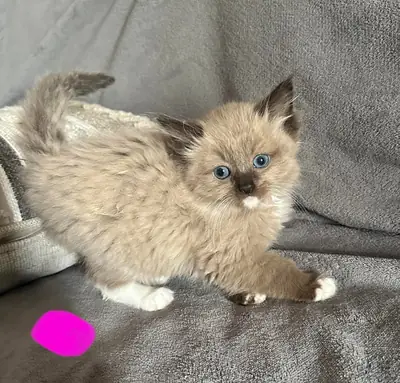
Kotele Ragdoll e Adhurueshme
Male
Not Educated
Free Adoption
47 views
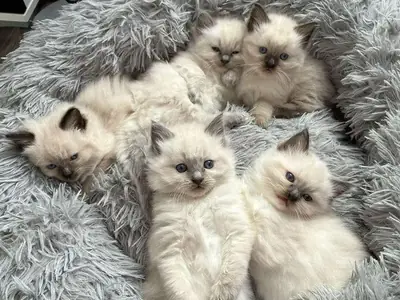
Miku i Vogël i Gjallë
Male
Not Educated
Free Adoption
53 views
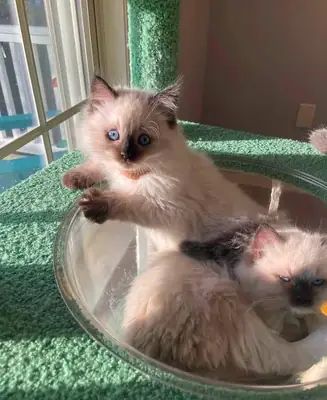
Miku i Vogël i Gjallë
Male
Not Educated
Free Adoption
49 views
free Domestic Shorthair adoption listings
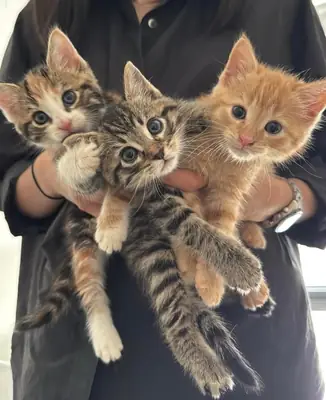
domestic short hair kittens
Male
Educated
Free Adoption
405 views
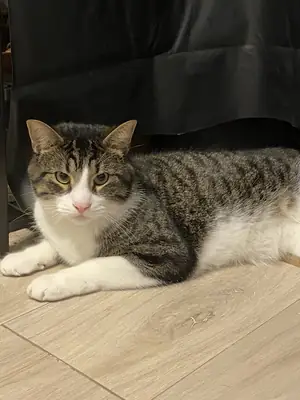
Cute tabby cat available
Male
Not Educated
Free Adoption
755 views
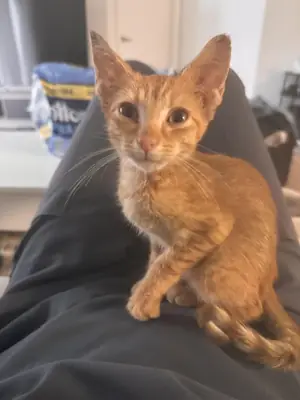
indoor cat, easy to care for
Male
Not Educated
Free Adoption
766 views
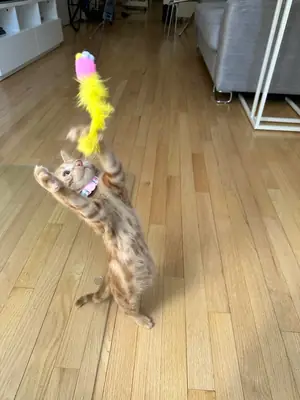
indoor cat, simple rehome
Male
Not Educated
Free Adoption
623 views
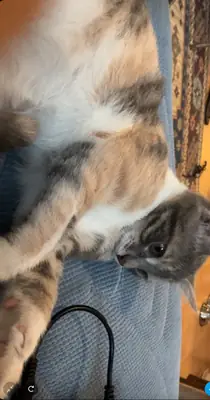
Cute calico cat
Male
Not Educated
Free Adoption
1423 views
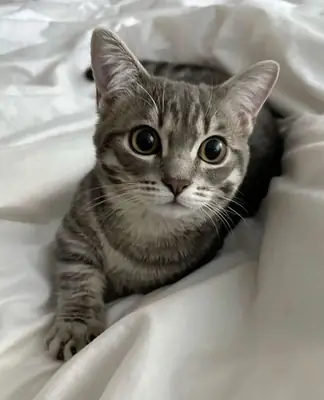
Lovable, feedable pet
Free Adoption – Friendly Tabby Cat
Female
Not Educated
Free Adoption
1450 views