vs
Click on the breeds above to change the breed you want to compare.
Compare Ragdoll and Dwelf side by side: temperament, energy, trainability, apartment fit, shedding, lifespan, weight and free adoption listings.
Breed traits
Character & behavior
Energy level
Playfulness
Intelligence
Trainability
Protectiveness
Sociability
Can stay alone
Lifestyle fit
Apartment-friendly
Yes
Yes
Good with kids
Yes
Yes
Good for first-time owners
Yes
Yes
Shedding
Noise level
Exercise needs
Physical & general
Life span
12–15 years
12–15 years
Weight
4.5–9 kg
2.5–4.5 kg
Height
25–30 cm
20–25 cm
Origin
United States
United States
Grooming effort
Nutrition sensitivity
Health risk
Heat tolerance
Cold tolerance
The Ragdoll and Dwelf breeds both originate from the United States and share a similar lifespan of 12 to 15 years. While both breeds are sociable and suitable for first-time owners, they differ in size, grooming needs, and energy levels. Ragdolls are larger, with weights ranging from 4.5 to 9 pounds, whereas Dwelfs are smaller, weighing between 2.5 to 4.5 pounds. Grooming requirements also vary, with Ragdolls needing moderate grooming compared to the Dwelf's lower grooming difficulty. Additionally, Ragdolls have a slightly lower noise level and exercise needs than Dwelfs, making them potentially more suitable for quieter households. Overall, both breeds are good with kids and are apartment-friendly, making them excellent companions for families and individuals alike.
Ragdoll — Advantages
- Larger size, which some may prefer
- Lower noise level, potentially quieter
- Slightly less exercise need, easier for less active owners
- Good with kids and suitable for families
- Moderate shedding level, manageable for some owners
- Lower noise level, potentially quieter
- Slightly less exercise need, easier for less active owners
- Good with kids and suitable for families
- Moderate shedding level, manageable for some owners
Disadvantages
- Higher grooming difficulty compared to Dwelf
- Larger size may not be suitable for all living situations
- Higher shedding level may be a concern for allergy sufferers
- May require more space than a smaller breed
- Larger size may not be suitable for all living situations
- Higher shedding level may be a concern for allergy sufferers
- May require more space than a smaller breed
Dwelf — Advantages
- Smaller size, ideal for apartments or small spaces
- Lower grooming difficulty, easier maintenance
- Slightly higher trainability, may respond better to commands
- Moderate exercise need, suitable for moderately active owners
- Lower shedding level, better for allergy sufferers
- Lower grooming difficulty, easier maintenance
- Slightly higher trainability, may respond better to commands
- Moderate exercise need, suitable for moderately active owners
- Lower shedding level, better for allergy sufferers
Disadvantages
- Higher noise level, may be more vocal
- Slightly higher exercise need compared to Ragdoll
- Potentially higher health risks compared to Ragdoll
- Smaller size may not be preferred by all owners
- Slightly higher exercise need compared to Ragdoll
- Potentially higher health risks compared to Ragdoll
- Smaller size may not be preferred by all owners
Frequently Asked Questions
Which breed is better for apartment living?
Both breeds are apartment-friendly, but the Dwelf's smaller size may make it more suitable for very small spaces.
How do grooming needs compare between Ragdolls and Dwelfs?
Ragdolls have a moderate grooming difficulty, while Dwelfs have a lower grooming difficulty, making them easier to maintain.
Are both breeds good with children?
Yes, both Ragdolls and Dwelfs are good with kids, making them suitable family pets.
What is the lifespan of Ragdolls and Dwelfs?
Both breeds have a similar lifespan of 12 to 15 years.
Which breed is more vocal?
The Dwelf has a slightly higher noise level, which may make it more vocal compared to the quieter Ragdoll.
free Ragdoll adoption listings
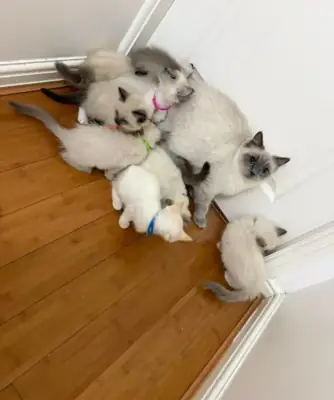
Ragdoll-Kätzchen
Male
Educated
Free Adoption
13 views
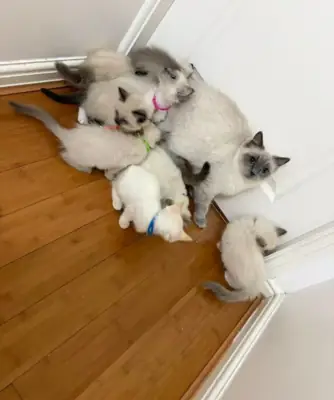
Dos adorables gatitos Ragdoll
Male
Not Educated
Free Adoption
18 views
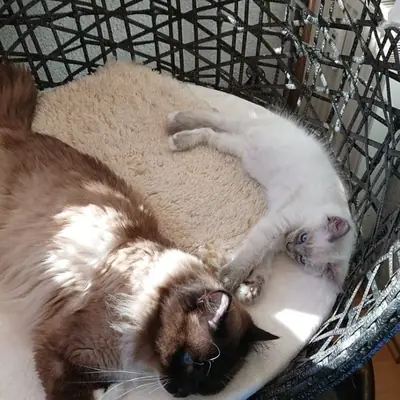
Gatitos Ragdoll campeones de TICA. Contacto. johnspare874 @ gmail . com
Male
Educated
Free Adoption
38 views
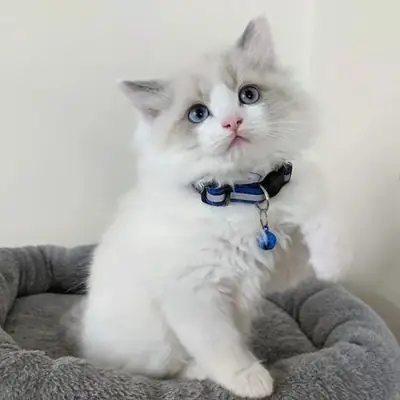
The 215 most love-collecting friend
cute ragdoll kittens
Male
Educated
Free Adoption
32 views
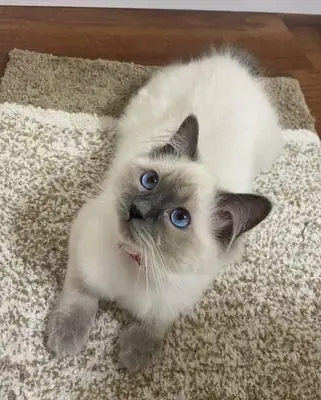
Precioso gatito Ragdoll busca un hogar amoroso para siempre.
Male
Educated
Free Adoption
39 views
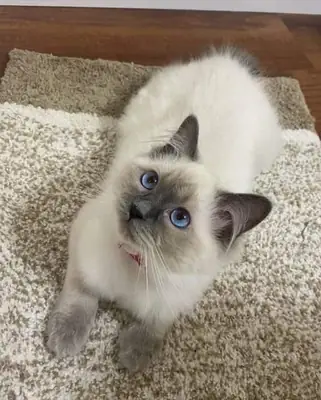
Imádnivaló Ragdoll kiscica örökbefogadható
Male
Educated
Free Adoption
43 views
free Dwelf adoption listings
No listings for this breed at the moment.