vs
Click on the breeds above to change the breed you want to compare.
Compare Ragdoll and Turkish Angora side by side: temperament, energy, trainability, apartment fit, shedding, lifespan, weight and free adoption listings.
Breed traits
Character & behavior
Energy level
Playfulness
Intelligence
Trainability
Protectiveness
Sociability
Can stay alone
Lifestyle fit
Apartment-friendly
Yes
Yes
Good with kids
Yes
Yes
Good for first-time owners
Yes
Yes
Shedding
Noise level
Exercise needs
Physical & general
Life span
12–15 years
12–15 years
Weight
4.5–9 kg
3–5 kg
Height
25–30 cm
25–30 cm
Origin
United States
Turkey
Grooming effort
Nutrition sensitivity
Health risk
Heat tolerance
Cold tolerance
The Ragdoll and Turkish Angora are two captivating cat breeds, each with unique traits that appeal to different types of owners. Both breeds have a lifespan ranging from 12 to 15 years and are known for their sociable nature, making them excellent companions for families and first-time owners. The Ragdoll is slightly larger, weighing between 4.5 to 9.0 kg, while the Turkish Angora is lighter, ranging from 3.0 to 5.0 kg. In terms of energy levels, the Turkish Angora is more active, requiring more exercise, whereas the Ragdoll is moderately active. Both breeds are apartment-friendly and good with children, but the Turkish Angora's higher intelligence and trainability may appeal to those looking for a more interactive pet. Ultimately, the choice between these two breeds may depend on the owner's lifestyle and preferences.
Ragdoll — Advantages
- Sociable and friendly disposition
- Good with kids and first-time owners
- Moderate grooming difficulty
- Can adapt well to apartment living
- Balanced temperament with moderate energy levels
- Good with kids and first-time owners
- Moderate grooming difficulty
- Can adapt well to apartment living
- Balanced temperament with moderate energy levels
Disadvantages
- Heavier weight may not suit all households
- Moderate exercise needs may not appeal to very active owners
- Shedding level is average, requiring regular grooming
- Moderate exercise needs may not appeal to very active owners
- Shedding level is average, requiring regular grooming
Turkish Angora — Advantages
- Highly intelligent and easily trainable
- Active and playful, suitable for energetic households
- Good with kids and first-time owners
- Higher tolerance for hot climates
- Adaptable to apartment living
- Active and playful, suitable for energetic households
- Good with kids and first-time owners
- Higher tolerance for hot climates
- Adaptable to apartment living
Disadvantages
- Lighter weight may not appeal to those preferring larger cats
- Higher exercise needs may require more time and engagement
- Grooming difficulty is average, requiring regular attention
- Higher exercise needs may require more time and engagement
- Grooming difficulty is average, requiring regular attention
Frequently Asked Questions
How much exercise do Ragdolls need?
Ragdolls have a moderate exercise need, requiring some playtime each day.
Are Turkish Angoras good for families?
Yes, Turkish Angoras are known to be good with kids and adapt well to family environments.
Which breed is easier to train?
The Turkish Angora is generally considered easier to train due to its higher intelligence and trainability.
Do either breed have special dietary needs?
Both breeds have a nutrition sensitivity level of 2, indicating they do not have special dietary needs.
Can Ragdolls and Turkish Angoras live in apartments?
Yes, both breeds are apartment-friendly and can adapt well to smaller living spaces.
free Ragdoll adoption listings
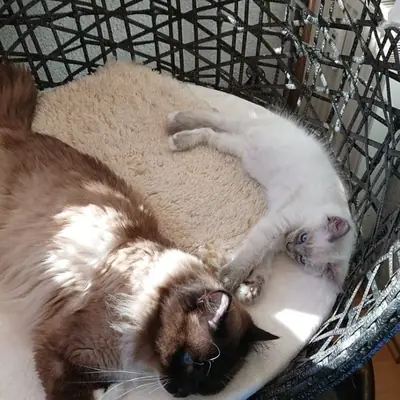
Gatitos Ragdoll campeones de TICA. Contacto. johnspare874 @ gmail . com
Male
Educated
Free Adoption
32 views
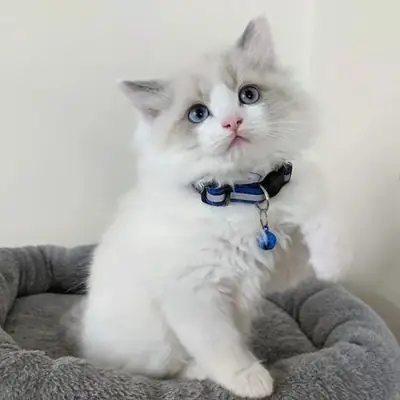
The 212 most love-collecting friend
cute ragdoll kittens
Male
Educated
Free Adoption
23 views
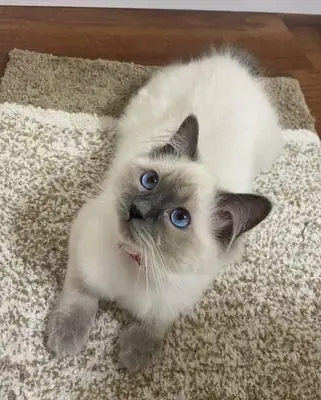
Precioso gatito Ragdoll busca un hogar amoroso para siempre.
Male
Educated
Free Adoption
32 views
Imádnivaló Ragdoll kiscica örökbefogadható
Male
Educated
Free Adoption
36 views
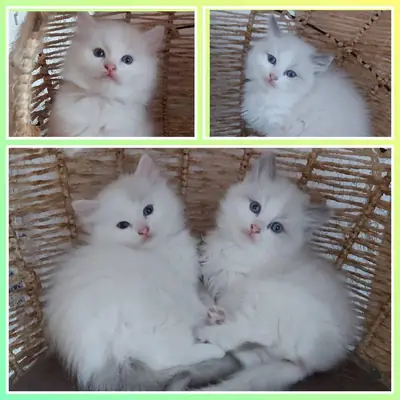
Stunning litter of pure ragdoll kittens. Contact via email at johnspare874 @ gmail . com
Male
Educated
Free Adoption
90 views
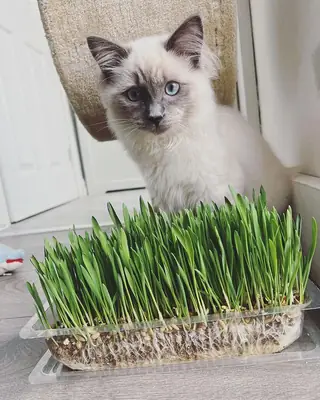
Ragdollkitten
Male
Not Educated
Free Adoption
52 views
free Turkish Angora adoption listings
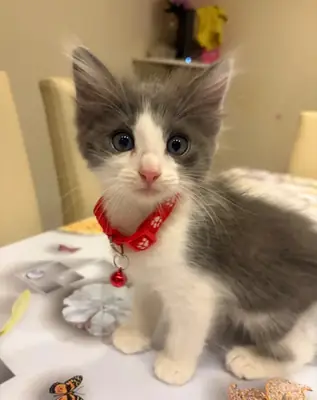
Sevimli Ankara Kedisi Yavruları Erkek ve Di
Male
Not Educated
Free Adoption
989 views
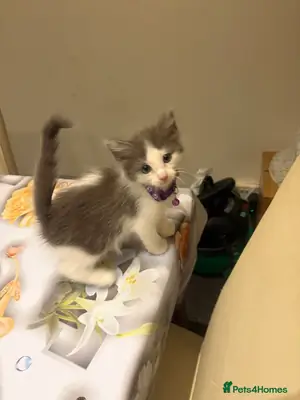
¡Lindos Gatitos Comunes Europeos (Blancos y Bicolores) Buscando Hogar! 🐾✨
Male
Not Educated
Free Adoption
418 views
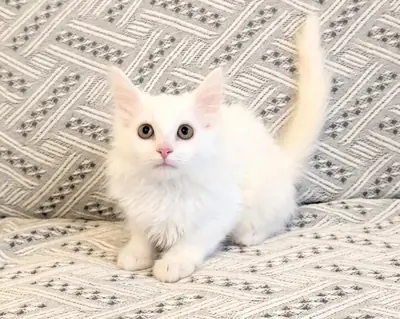
beautiful Turkish Angora kitten
Male
Not Educated
Free Adoption
1061 views
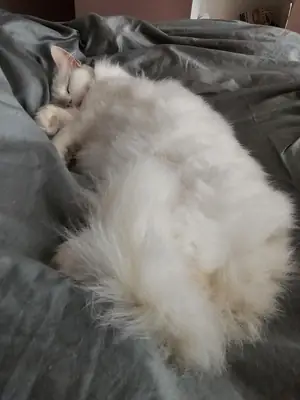
quiet cat, looking for a calmer home
Male
Not Educated
Free Adoption
919 views
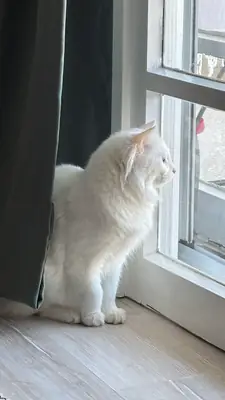
indoor cat, change in circumstances
Male
Not Educated
Free Adoption
1142 views
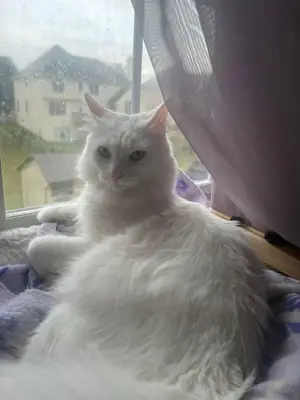
turkish angora cat for adoption
Male
Not Educated
Free Adoption
1493 views