vs
Click on the breeds above to change the breed you want to compare.
Compare Rescue Cat and Domestic Shorthair side by side: temperament, energy, trainability, apartment fit, shedding, lifespan, weight and free adoption listings.
Breed traits
Character & behavior
Energy level
Playfulness
Intelligence
Trainability
Protectiveness
Sociability
Can stay alone
Lifestyle fit
Apartment-friendly
Yes
Yes
Good with kids
Yes
Yes
Good for first-time owners
Yes
Yes
Shedding
Noise level
Exercise needs
Physical & general
Life span
12–15 years
12–15 years
Weight
3.5–6.5 kg
3.5–6.5 kg
Height
30–40 cm
25–30 cm
Grooming effort
Nutrition sensitivity
Health risk
Heat tolerance
Cold tolerance
Origin
—
United States
The Domestic Shorthair and the Rescue Cat are both popular options for potential cat owners, each offering unique qualities. Both breeds share similar lifespans, weight ranges, and energy levels, making them relatively easy to care for. However, differences in height, sociability, and shedding levels can influence a person's choice. The Domestic Shorthair is slightly more sociable and has a moderate shedding level, while the Rescue Cat has a lower shedding level but is slightly less sociable. Both breeds are apartment-friendly and suitable for families with children, making them excellent companions for first-time owners. Ultimately, the decision may come down to personal preference and specific lifestyle needs.
Rescue Cat — Advantages
- Lower shedding level, less maintenance
- Good with kids and suitable for first-time owners
- Comparable energy and exercise needs
- Can stay alone for moderate periods
- Adaptable to apartment living
- Good with kids and suitable for first-time owners
- Comparable energy and exercise needs
- Can stay alone for moderate periods
- Adaptable to apartment living
Disadvantages
- Slightly less sociable than Domestic Shorthair
- Average intelligence may limit advanced training
- Height range is slightly taller, which may not suit all spaces
- Average intelligence may limit advanced training
- Height range is slightly taller, which may not suit all spaces
Domestic Shorthair — Advantages
- Highly sociable, great for families
- Moderate shedding level, easier to manage
- Good for first-time cat owners
- Comparable energy and exercise needs
- Adaptable to various living situations
- Moderate shedding level, easier to manage
- Good for first-time cat owners
- Comparable energy and exercise needs
- Adaptable to various living situations
Disadvantages
- Slightly higher noise level compared to Rescue Cat
- Average intelligence may limit advanced training
- May not tolerate being alone as well as other breeds
- Average intelligence may limit advanced training
- May not tolerate being alone as well as other breeds
Frequently Asked Questions
How long do Domestic Shorthairs and Rescue Cats typically live?
Both breeds have a lifespan of 12 to 15 years.
Are Domestic Shorthairs and Rescue Cats good with children?
Yes, both breeds are known to be good with kids.
Which breed sheds more, Domestic Shorthair or Rescue Cat?
Domestic Shorthairs have a moderate shedding level, while Rescue Cats have a lower shedding level.
Can both breeds adapt to apartment living?
Yes, both Domestic Shorthairs and Rescue Cats are apartment-friendly.
Are these breeds suitable for first-time cat owners?
Yes, both breeds are considered good choices for first-time owners.
free Rescue Cat adoption listings
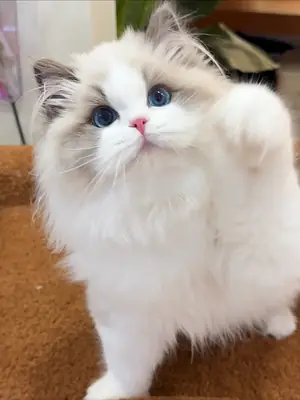
Amazing Ragdoll Cat
Male
Educated
Free Adoption
242 views
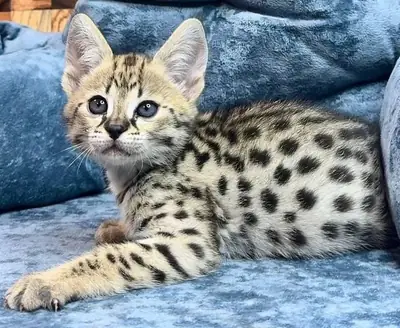
F1 - F6 Savannah Kittens Available
Male
Not Educated
Free Adoption
335 views

The 156 most love-collecting friend
Teacup Poodle
Male
Educated
Free Adoption
303 views
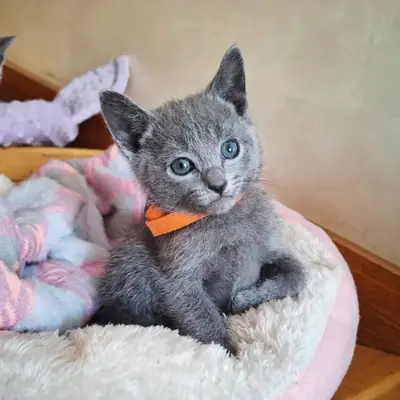
Russian Blue male
Male
Not Educated
Free Adoption
311 views
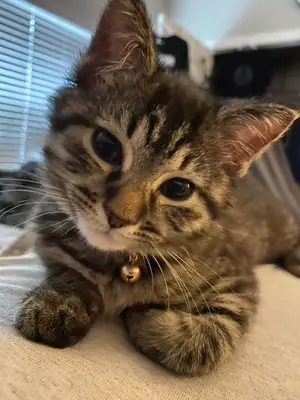
The 71 most love-collecting friend
Rescue Cat Looking for a Calm Home | Free Adoption | Very Affectionate
Female
Educated
Free Adoption
1155 views
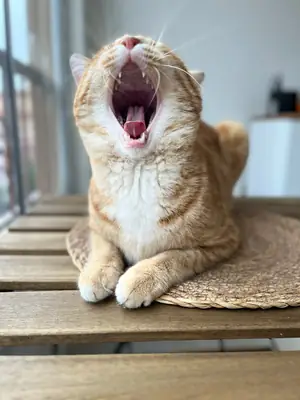
Yellow cat is looking for a new family
Male
Not Educated
Free Adoption
44 views
free Domestic Shorthair adoption listings
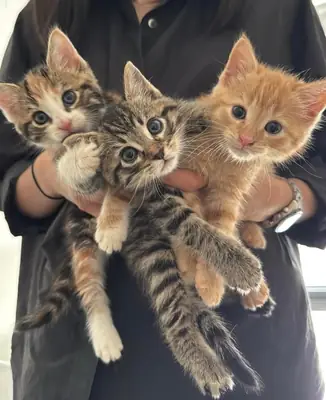
domestic short hair kittens
Male
Educated
Free Adoption
373 views
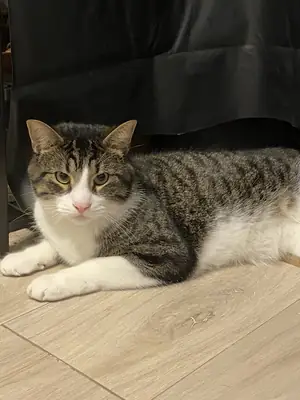
Cute tabby cat available
Male
Not Educated
Free Adoption
742 views
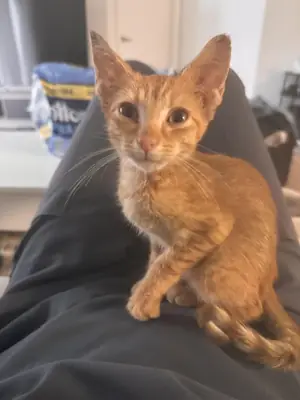
indoor cat, easy to care for
Male
Not Educated
Free Adoption
756 views
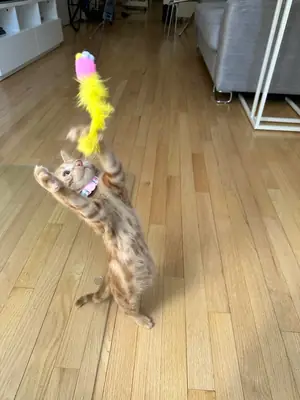
indoor cat, simple rehome
Male
Not Educated
Free Adoption
610 views
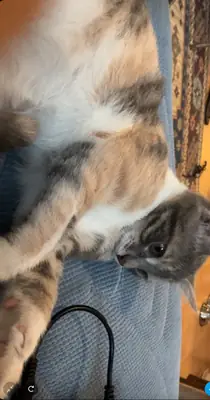
Cute calico cat
Male
Not Educated
Free Adoption
1401 views
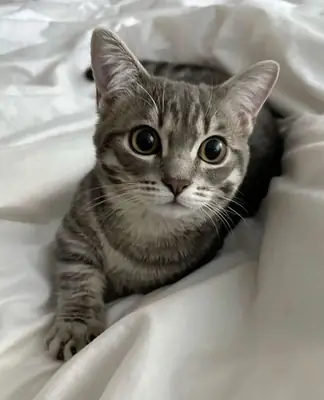
Lovable, feedable pet
Free Adoption – Friendly Tabby Cat
Female
Not Educated
Free Adoption
1434 views