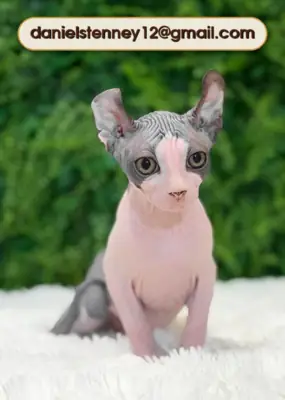
vs
Click on the breeds above to change the breed you want to compare.
Compare Russian Blue and Elf side by side: temperament, energy, trainability, apartment fit, shedding, lifespan, weight and free adoption listings.
Breed traits
Character & behavior
Energy level
Playfulness
Intelligence
Trainability
Protectiveness
Sociability
Can stay alone
Lifestyle fit
Apartment-friendly
Yes
Yes
Good with kids
Yes
Yes
Good for first-time owners
Yes
Yes
Shedding
Noise level
Exercise needs
Physical & general
Life span
15–20 years
12–16 years
Weight
3.5–5.5 kg
3.5–6.5 kg
Height
30–35 cm
25–30 cm
Origin
Russia
United States
Grooming effort
Nutrition sensitivity
Health risk
Heat tolerance
Cold tolerance
The Russian Blue and Elf breeds both offer unique characteristics that appeal to cat lovers. The Russian Blue, originating from Russia, is known for its striking blue-gray coat and gentle temperament. With a lifespan of 15 to 20 years, they are a long-term companion. On the other hand, the Elf breed, hailing from the United States, is recognized for its playful nature and distinctive appearance, often featuring large ears and a friendly disposition. While both breeds are good with kids and suitable for first-time owners, they differ in energy levels and sociability. The Russian Blue tends to be moderately energetic, while the Elf is more playful and sociable. This comparison will help potential owners weigh the pros and cons of each breed to find the best fit for their lifestyle.
Russian Blue — Advantages
Long lifespan of 15-20 years
Moderate energy level, making them suitable for various living situations
Good with kids, ideal for families
Intelligent and trainable, enhancing the owner-pet bond
Apartment-friendly, adapting well to smaller spaces
Moderate energy level, making them suitable for various living situations
Good with kids, ideal for families
Intelligent and trainable, enhancing the owner-pet bond
Apartment-friendly, adapting well to smaller spaces
Disadvantages
Moderate sociability, may not seek out constant interaction
Average playfulness compared to Elf breed
Requires moderate grooming, which may be a consideration for some owners
Average playfulness compared to Elf breed
Requires moderate grooming, which may be a consideration for some owners
Elf — Advantages
Playful and energetic, great for active households
Highly sociable, enjoys interacting with people and other pets
Good with kids, making them a family-friendly option
Distinctive appearance with large ears, appealing to many cat lovers
Adaptable to apartment living
Highly sociable, enjoys interacting with people and other pets
Good with kids, making them a family-friendly option
Distinctive appearance with large ears, appealing to many cat lovers
Adaptable to apartment living
Disadvantages
Shorter lifespan of 12-16 years compared to Russian Blue
Higher noise level, which may not suit all households
Can struggle with being alone for extended periods
Higher noise level, which may not suit all households
Can struggle with being alone for extended periods
Frequently Asked Questions
How long do Russian Blues typically live?
Russian Blues have a lifespan of 15 to 20 years.
Are Elfs good with children?
Yes, Elfs are known to be good with kids.
Which breed is more sociable, Russian Blue or Elf?
The Elf breed is more sociable compared to the Russian Blue.
Do Russian Blues require a lot of grooming?
Russian Blues have a moderate grooming difficulty level.
Can both breeds adapt to apartment living?
Yes, both Russian Blues and Elfs are apartment-friendly.
free Russian Blue adoption listings
En total son 7 gatitos Ragdoll.
Male
Not Educated
Free Adoption
4 views
Somos un pequeño criadero aficionado
Male
Not Educated
Free Adoption
10 views
Los gatitos están listos para ser entregados
Male
Not Educated
Free Adoption
5 views
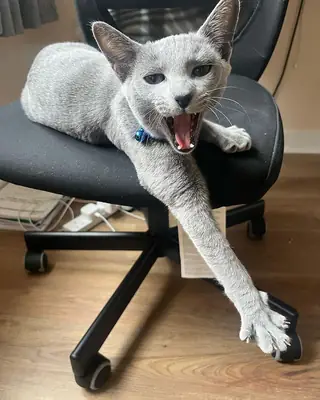
Para nuestro nuevo hogar
Male
Not Educated
Free Adoption
6 views
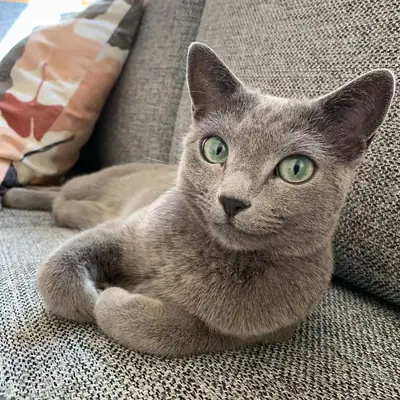
Todos nuestros ejemplares reproductores cuentan con pruebas genéticas
Male
Not Educated
Free Adoption
7 views
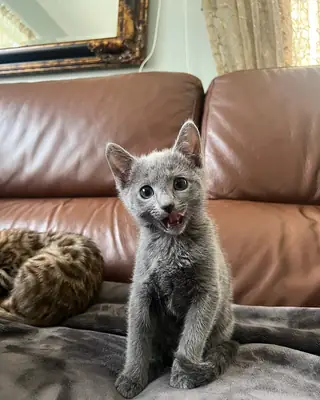
Beautiful Russian blue kittens
Male
Educated
Free Adoption
5 views