vs
Click on the breeds above to change the breed you want to compare.
Compare Saluki and Donggyeongi side by side: temperament, energy, trainability, apartment fit, shedding, lifespan, weight and free adoption listings.
Breed traits
Character & behavior
Energy level
Playfulness
Intelligence
Trainability
Protectiveness
Sociability
Can stay alone
Lifestyle fit
Apartment-friendly
No
Yes
Good with kids
Yes
Yes
Good for first-time owners
No
Yes
Shedding
Noise level
Exercise needs
Physical & general
Life span
12–14 years
12–15 years
Weight
20–30 kg
10–15 kg
Height
58–71 cm
30–40 cm
Origin
Egypt
South Korea
Grooming effort
Nutrition sensitivity
Health risk
Heat tolerance
Cold tolerance
The Saluki and Donggyeongi are two distinct dog breeds with unique characteristics suited for different lifestyles. The Saluki, originating from Egypt, is known for its athleticism and higher exercise needs, making it ideal for active individuals or families. In contrast, the Donggyeongi, hailing from South Korea, is smaller and more adaptable to apartment living, making it a great choice for urban dwellers. Both breeds are sociable and good with children, but they differ significantly in size, energy levels, and trainability. Potential owners should consider their living situation, activity level, and experience with dogs when choosing between these two breeds.
Saluki — Advantages
Larger size suitable for active lifestyles.
Higher energy level (4) for active individuals.
Good with kids, making them family-friendly.
Higher intelligence (4) for potential training success.
Tolerates hot climates well (4).
Higher energy level (4) for active individuals.
Good with kids, making them family-friendly.
Higher intelligence (4) for potential training success.
Tolerates hot climates well (4).
Disadvantages
Not apartment-friendly, requiring more space.
Higher exercise needs (5) may be challenging for some owners.
Not ideal for first-time dog owners due to their specific needs.
Moderate noise level (2) might not suit all environments.
Higher exercise needs (5) may be challenging for some owners.
Not ideal for first-time dog owners due to their specific needs.
Moderate noise level (2) might not suit all environments.
Donggyeongi — Advantages
Smaller size ideal for apartment living.
Good with kids, making them family-friendly.
First-time owner friendly, easier to manage.
Moderate playfulness (4) encourages interactive activities.
Balanced exercise needs (3) suitable for various lifestyles.
Good with kids, making them family-friendly.
First-time owner friendly, easier to manage.
Moderate playfulness (4) encourages interactive activities.
Balanced exercise needs (3) suitable for various lifestyles.
Disadvantages
Lower energy level (3) may not suit highly active individuals.
Protectiveness (4) might lead to territorial behavior.
Less tolerance for hot climates (3) compared to Saluki.
Protectiveness (4) might lead to territorial behavior.
Less tolerance for hot climates (3) compared to Saluki.
Frequently Asked Questions
Which breed is better for a family with young children?
Both breeds are good with kids, but the Donggyeongi may be more adaptable for first-time dog owners.
Can the Saluki live in an apartment?
No, the Saluki is not apartment-friendly and requires more space to thrive.
How much exercise do these breeds need?
The Saluki has high exercise needs (5), while the Donggyeongi has moderate needs (3).
Which breed is easier to train?
Both breeds have a trainability score of 3, but the Saluki's higher intelligence may offer some advantages.
What is the lifespan of these breeds?
The Saluki has a lifespan of 12-14 years, while the Donggyeongi lives slightly longer, 12-15 years.
free Saluki adoption listings
Staffordshire Bull Terrier Puppies
Male
Educated
Free Adoption
1148 views
Staffordshire Bull Terrier Puppies
Male
Educated
Free Adoption
992 views
Beautiful Shihpoo Puppies
Male
Educated
Free Adoption
809 views

Multi Gen Golden Doodles puppies available
Male
Educated
Free Adoption
761 views
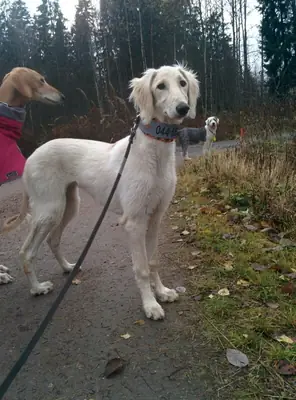
Saluki male looking for a calm and committed home (free adoption)
Male
Educated
Free Adoption
1882 views
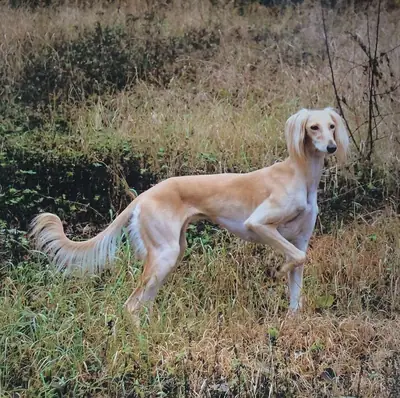
Saluki Adoption – Elegant and Noble
Male
Educated
Free Adoption
1812 views
free Donggyeongi adoption listings
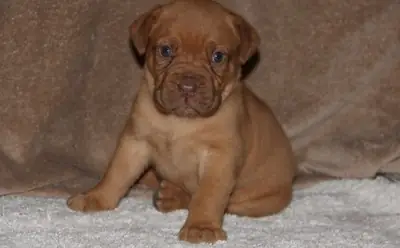
Gorgeous Dogue De Bordeaux Puppies
Male
Educated
Free Adoption
555 views
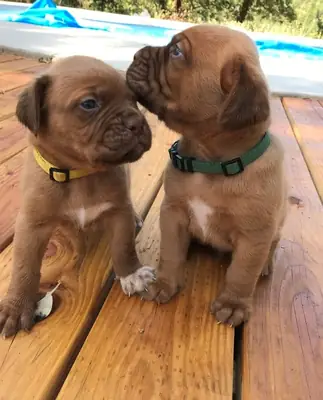
Gorgeous Dogue De Bordeaux Puppies
Male
Educated
Free Adoption
708 views
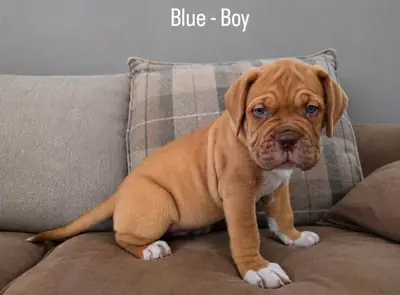
Bordeaux Dog Puppies
Male
Educated
Free Adoption
452 views
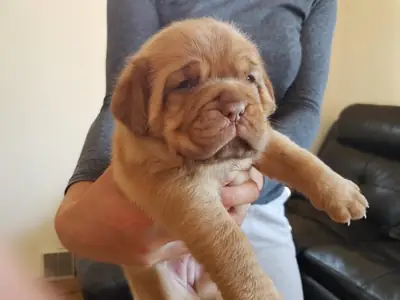
4 precious Bordeaux Mastiff puppies, robust and of excellent pedigree.
Male
Educated
Free Adoption
714 views
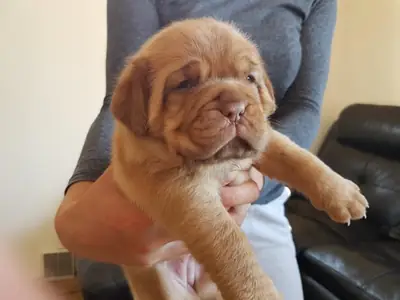
Beautiful Bordeaux Mastiff puppies, males and females
Male
Not Educated
Free Adoption
857 views
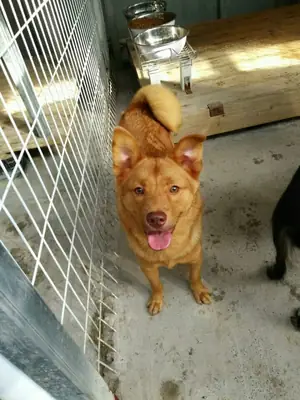
Dongyongi Adoption | Rare Korean Breed
Male
Educated
Free Adoption
1245 views