vs
Click on the breeds above to change the breed you want to compare.
Compare Tibetan Mastiff and Samoyed side by side: temperament, energy, trainability, apartment fit, shedding, lifespan, weight and free adoption listings.
Breed traits
Character & behavior
Lifestyle fit
Physical & general
Tibetan Mastiff — Advantages
- Good with kids
- Strong cold climate tolerance
- Intelligent breed
- Moderate exercise needs
Disadvantages
- Lower sociability compared to Samoyed
- Requires more grooming effort
- Can be challenging to train
- Higher weight and size may not suit all living situations
Samoyed — Advantages
- Good for first-time owners
- High playfulness and energy levels
- Suitable for families with children
- Moderate health risks
Disadvantages
- Needs more exercise compared to Tibetan Mastiff
- Not suitable for very hot climates
- Requires consistent training due to high energy
- Can struggle with separation anxiety
Frequently Asked Questions
Which breed is better for families with children?
Both breeds are good with kids, but the Samoyed is particularly known for its sociability and playfulness.
How much exercise do these breeds need?
The Tibetan Mastiff requires moderate exercise, while the Samoyed needs more vigorous activity due to its higher energy level.
Are either of these breeds good for first-time dog owners?
The Samoyed is more suitable for first-time owners, while the Tibetan Mastiff may be challenging for beginners.
How do their grooming needs compare?
Both breeds have a grooming difficulty level of 4, but the Samoyed sheds more, requiring more frequent grooming.
Which breed is more protective?
The Tibetan Mastiff is known for its strong protective instincts, making it a better choice for those seeking a guard dog.
free Tibetan Mastiff adoption listings

Adorables cachorros de mastín tibetano

Bordeaux Dog Puppies

Precious Bordeaux Dog puppies
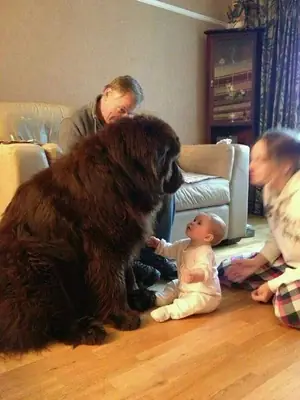
Tibetan Mastiff for sale | Powerful guard dog
free Samoyed adoption listings
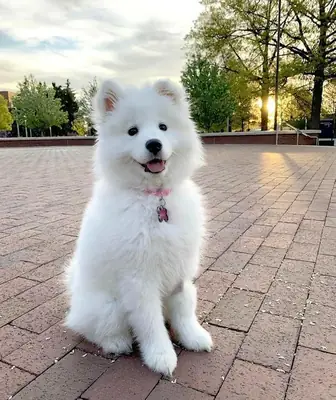
Adorables Samoyedos buscando una familia que los reciba con amor
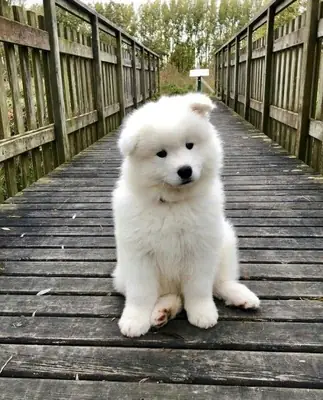
Cachorros Samoyedo preciosos disponibles para hogares responsables
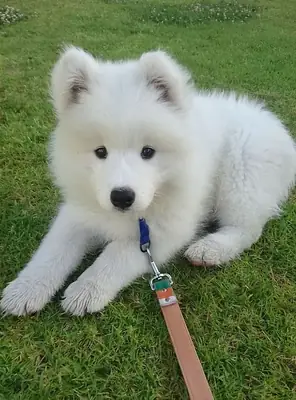
Encantadores Samoyedos preparados para formar parte de tu familia
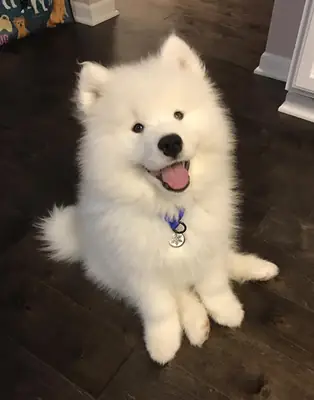
Pequeños Samoyedos blancos esperando conocer a sus nuevos dueños
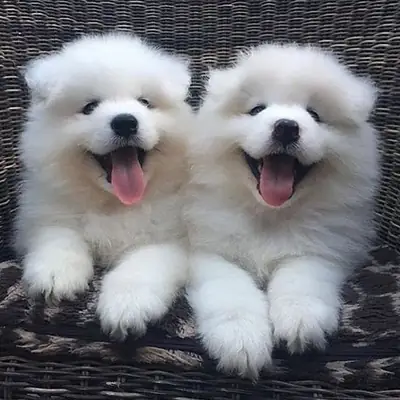
Preciosos cachorros Samoyedo buscando una familia para siempre