vs
Click on the breeds above to change the breed you want to compare.
Compare Shikoku and Pungsan side by side: temperament, energy, trainability, apartment fit, shedding, lifespan, weight and free adoption listings.
Breed traits
Character & behavior
Energy level
Playfulness
Intelligence
Trainability
Protectiveness
Sociability
Can stay alone
Lifestyle fit
Apartment-friendly
No
No
Good with kids
Yes
Yes
Good for first-time owners
No
No
Shedding
Noise level
Exercise needs
Physical & general
Life span
12–15 years
12–15 years
Weight
8–12 kg
25–30 kg
Height
40–55 cm
50–60 cm
Origin
Japan
North Korea
Grooming effort
Nutrition sensitivity
Health risk
Heat tolerance
Cold tolerance
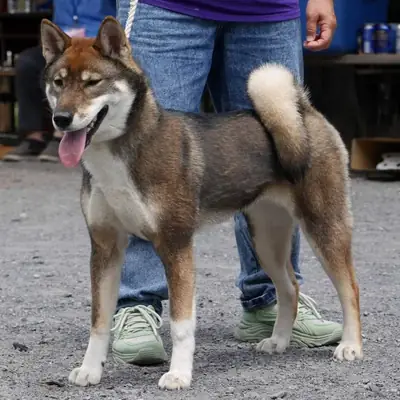
The Shikoku and Pungsan are both unique breeds with distinct characteristics. The Shikoku, originating from Japan, is a smaller breed with a height range of 40-55 cm and a weight of 8-12 kg. In contrast, the Pungsan, hailing from North Korea, is larger, standing 50-60 cm tall and weighing between 25-30 kg. Both breeds share a similar lifespan of 12-15 years and have moderate energy levels, requiring regular exercise. While both breeds are good with kids and not suitable for first-time owners, their trainability and protectiveness differ. The Shikoku has a trainability score of 3, whereas the Pungsan scores a 4, indicating it may be easier to train. Additionally, the Pungsan is more protective than the Shikoku, making it a better choice for those seeking a guard dog.
Shikoku — Advantages
- Smaller size, making it easier to manage in certain environments.
- Good with kids, suitable for family settings.
- Moderate exercise needs, fitting for active families without excessive demands.
- Lower grooming difficulty, easier maintenance.
- Good with kids, suitable for family settings.
- Moderate exercise needs, fitting for active families without excessive demands.
- Lower grooming difficulty, easier maintenance.
Disadvantages
- Not ideal for first-time owners, requiring experienced handling.
- Can stay alone for only moderate periods, needing companionship.
- Less protective compared to Pungsan, may not deter intruders as effectively.
- Can stay alone for only moderate periods, needing companionship.
- Less protective compared to Pungsan, may not deter intruders as effectively.
Pungsan — Advantages
- Larger size, providing a stronger presence for protection.
- Higher trainability, making it potentially easier to teach commands and behaviors.
- More protective nature, ideal for guarding roles.
- Good with kids, ensuring compatibility with families.
- Higher trainability, making it potentially easier to teach commands and behaviors.
- More protective nature, ideal for guarding roles.
- Good with kids, ensuring compatibility with families.
Disadvantages
- Larger size may require more space and resources.
- Can stay alone for shorter periods, needing more companionship.
- Not suitable for first-time owners, requiring experienced handling.
- Can stay alone for shorter periods, needing more companionship.
- Not suitable for first-time owners, requiring experienced handling.
Frequently Asked Questions
What is the average lifespan of Shikoku and Pungsan?
Both breeds have an average lifespan of 12 to 15 years.
Are Shikoku and Pungsan good with children?
Yes, both breeds are good with kids, making them suitable for family environments.
Which breed is easier to train?
The Pungsan has a higher trainability score, indicating it may be easier to train compared to the Shikoku.
Can these breeds be left alone for long periods?
Neither breed can stay alone for long periods; Shikoku can stay alone moderately, while Pungsan prefers less time alone.
Are these breeds apartment-friendly?
Neither breed is considered apartment-friendly due to their size and exercise needs.
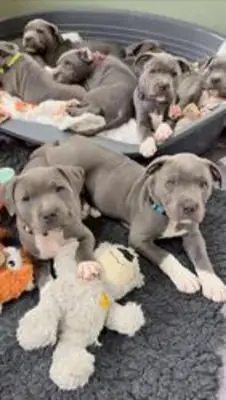
free Pungsan adoption listings
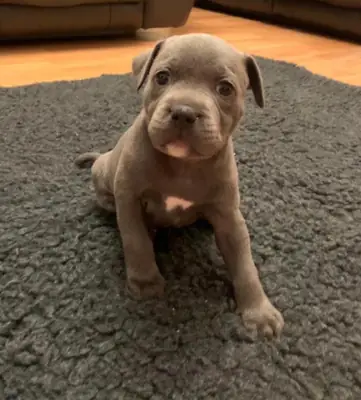
Staffordshire Bull Terrier Puppies
Male
Educated
Free Adoption
594 views
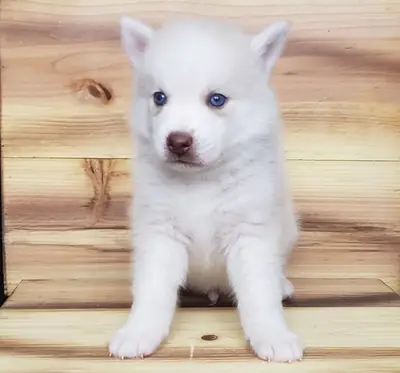
Home Reared Rare Blue Eyed Pomsky Puppy
Male
Educated
Free Adoption
656 views

Lovable, feedable pet
Rare Pungsan Dog for Adoption
Male
Not Educated
Free Adoption
1648 views
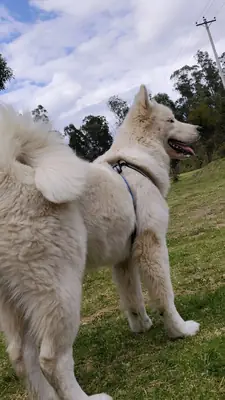
Adopting a Pungsan | A Rare and Powerful Breed
Male
Educated
Free Adoption
1314 views