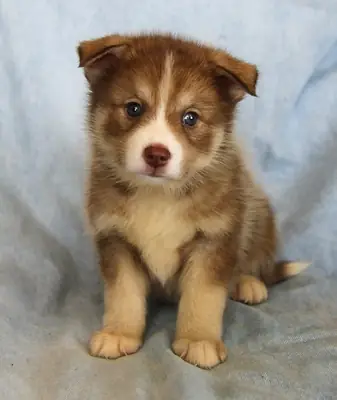
vs
Click on the breeds above to change the breed you want to compare.
Compare Siberian Husky and Jindo side by side: temperament, energy, trainability, apartment fit, shedding, lifespan, weight and free adoption listings.
Breed traits
Siberian Husky — Advantages
- Friendly and sociable nature
- High energy, suitable for active individuals or families
- Great for outdoor activities and adventures
- Good with children and other pets
Disadvantages
- Can be prone to stubbornness during training
- May have a strong prey drive
- Shedding can be substantial
- Not ideal for small living spaces without proper exercise
Jindo — Advantages
- Intelligent and quick to learn
- Generally good with children
- Can adapt well to various living situations
- Less prone to excessive shedding
Disadvantages
- Strong hunting instincts can lead to chasing behavior
- Requires consistent training and socialization
- May not be as energetic as a Husky
- Can be territorial
Frequently Asked Questions
Which breed is better for families with children?
Both breeds can be good with children, but the Siberian Husky is often more sociable and playful.
How much exercise do these breeds need?
Siberian Huskies require a lot of exercise, while Jindos need moderate exercise.
Are these breeds good for first-time dog owners?
Siberian Huskies may be challenging for first-time owners due to their energy and training needs, while Jindos can be more manageable.
Do these breeds get along with other pets?
Siberian Huskies usually get along well with other pets, whereas Jindos may have a stronger prey drive.
What is the grooming requirement for each breed?
Siberian Huskies shed heavily and require regular grooming, while Jindos have less shedding and are easier to groom.
free Siberian Husky adoption listings
No listings for this breed at the moment.