vs
Click on the breeds above to change the breed you want to compare.
Compare Siberian Husky and Maltese side by side: temperament, energy, trainability, apartment fit, shedding, lifespan, weight and free adoption listings.
Breed traits
Siberian Husky — Advantages
- Strong working instincts, suitable for outdoor activities
- Striking appearance with a thick coat and unique markings
- Friendly and social, often good with children
Disadvantages
- Can be prone to stubbornness during training
- High grooming needs due to thick fur
- May not be suitable for apartment living without ample outdoor access
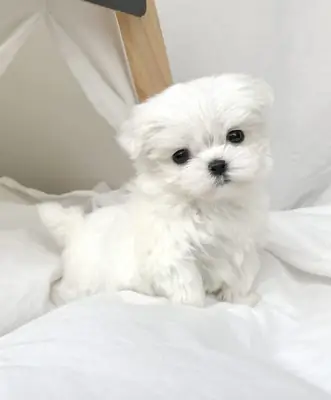
Maltese — Advantages
- Low exercise requirements, ideal for apartment living
- Minimal grooming needs compared to larger breeds
- Good with children and other pets
Disadvantages
- Can be less active, which may not suit all owners
- Requires consistent grooming to maintain coat quality
- Small size may make them vulnerable to larger pets
Frequently Asked Questions
What is the exercise requirement for a Siberian Husky?
Siberian Huskies require significant exercise and mental stimulation due to their high energy levels.
Are Maltese good for families with children?
Yes, Maltese are generally good with children and can be affectionate companions.
How much grooming does a Siberian Husky need?
Siberian Huskies have high grooming needs due to their thick fur, especially during shedding seasons.
Can Maltese adapt to apartment living?
Yes, Maltese are well-suited for apartment living due to their low exercise requirements.
Do Siberian Huskies get along with other pets?
Siberian Huskies can be friendly and social, but their strong prey drive may affect interactions with smaller animals.
free Siberian Husky adoption listings
No listings for this breed at the moment.
free Maltese adoption listings

Meet our adorable Maltese puppies!
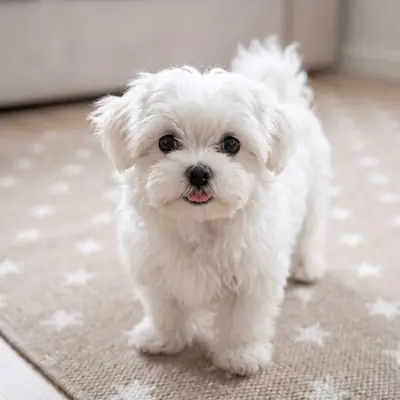
Cute Maltese Puppy
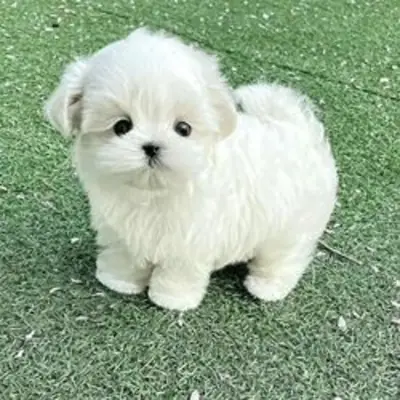
🐾 Female Maltese Puppy
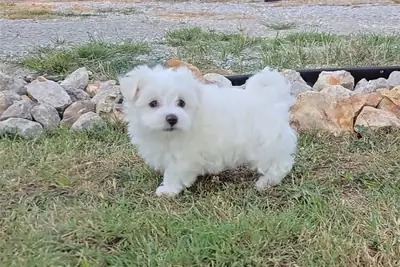
Cachorros malteses miniatura juguetones en adopción
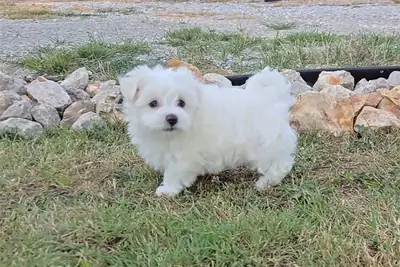
Preciosos cachorros malteses.